


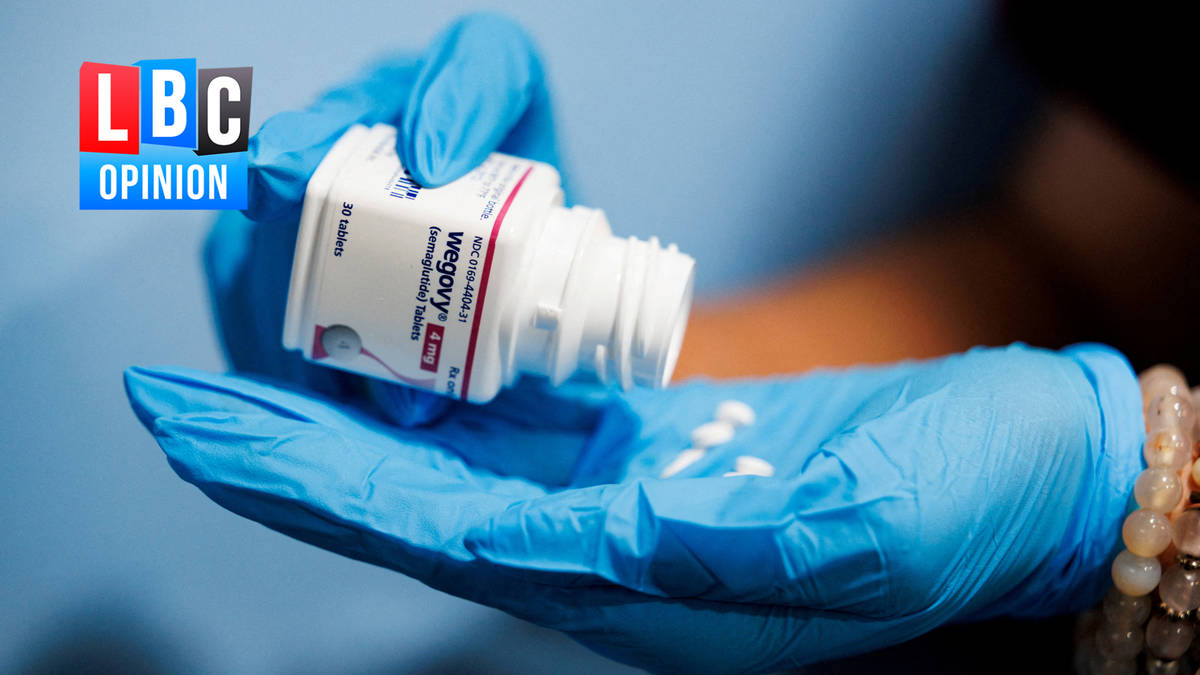
Time for cool heads to lead the weight-management conversation
Effective weight management must be seen in the round, not reduced to a blister pack, writes Dr Mitra Dutt
9 Jul 2026, 09:08
| Updated: 15m ago
Share
Whether measured by column inches or clicks, the arrival of a new weight-management treatment has captured the UK public’s interest
Loading audio…
It is also likely to shift an already fast-evolving landscape, offering additional patient choice
Some of that interest is understandable. For some people, an oral treatment could bring greater flexibility or convenience, while the NHS estimates 10% of Brits suffer from trypanophobia – or a fear of needles – that would make injections a significant barrier to adherence
But convenience must never be confused with clinical suitability. Amid the novelty and noise, it’s vital that the medical community sounds a note of caution. This change is not without potential risks
When legitimate demand for treatments rises, illegitimate activities usually grow, and the weight-management space has been a fertile ground for criminals. Last year, the MHRA seized more than 5,000 illegally traded weight-management products in a £45m crackdown on illegal medicines, while this April, research by the National Pharmacy Association revealed 1 in 10 online pharmacies have had their websites or social media channels cloned to trick patients into buying fake drugs
As a new treatment enters the market, we can expect further growth in unregulated sellers and in patients being exposed to adverts and links to counterfeits. With NHS access to oral options likely to lag private provision by months or years, there is also the risk that a burgeoning weight-management black market could prove more tempting to patients. They must ensure they use only registered providers and watch for the calling cards of weight-management scams: unusually low prices, unofficial websites, or social media sellers.
A different format of prescribed medication can also introduce different, and potentially unsafe, behaviours. Oral treatments are easier to share or stockpile than injections, while a daily (rather than weekly) usage is more likely to be disrupted and requires more discipline to avoid missing doses
None of this is a reason to avoid new weight-management treatments, but being responsible means being clear about the guardrails that should surround them
The most important message for clinicians to repeat is that no single treatment is a “fix”. These are powerful medications that should never be started without a clinical consultation that assesses a patient’s suitability and provides a clear plan for ongoing monitoring and support. Effective weight management must be seen in the round, not reduced to a blister pack. Nutrition, physical activity, mental health support and regular clinical reviews all play their part
Patients deserve to hear this from people they trust, not just from advertising or social media
The launch of weight-management treatments can inspire waves of misinformation, leaving people navigating conflicting messages from providers, influencers and unregulated sellers, often at the moment they most need good advice
This is when clinical voices need to step forward, not to dampen enthusiasm, but to bring evidence-based clarity to a noisy market. Patients don’t need more hype. They need trusted clinicians willing to say what is safe, what is not, and demonstrate that proper care will always matter more than any single pill
____________________
Dr Mitra Dutt is Associate Medical Director atLloydsPharmacy Online Doctor
LBC Opinion provides a platform for diverse opinions on current affairs and matters of public interest
The views expressed are those of the authors and do not necessarily reflect the official LBC position
To contact us email opinion@lbc.co.uk
