


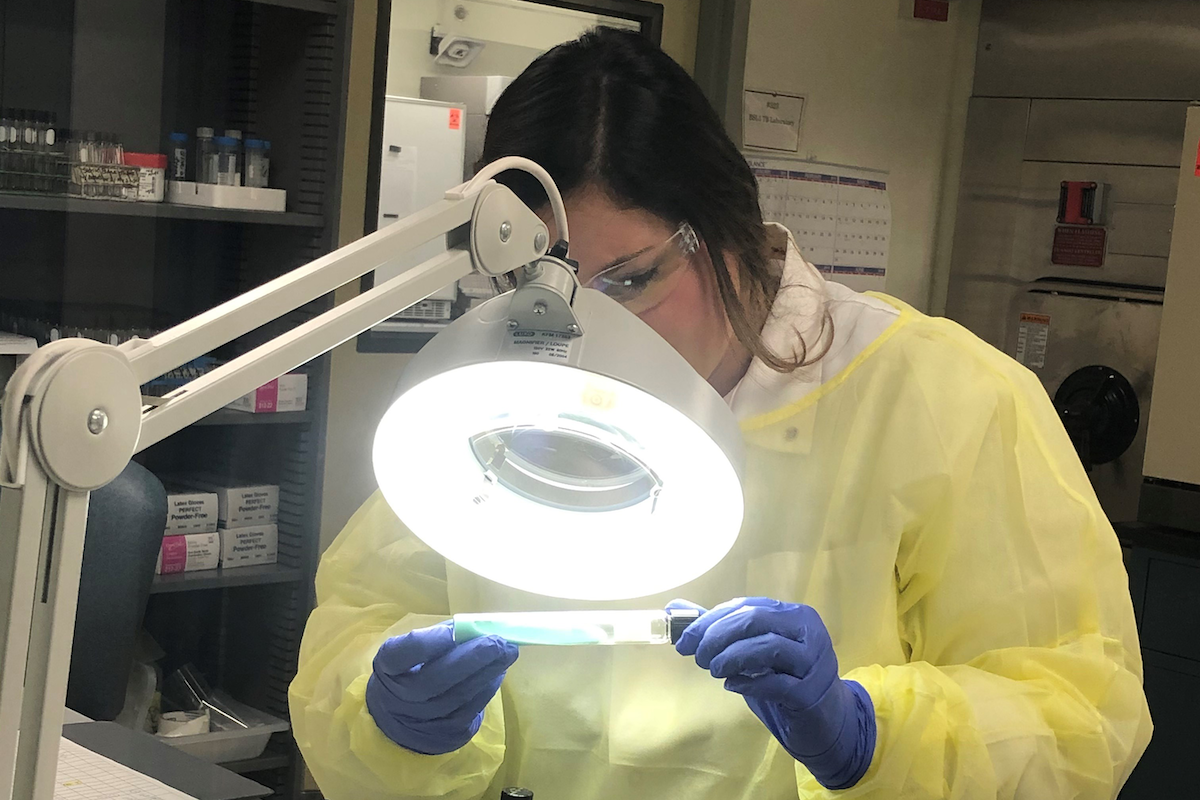
There were 50 large outbreaks of tuberculosis (TB) in the United States from 2017-2023, with an outbreak defined as at least 10 related cases, according to an April report* (see footnote) from the CDC. Cases in the United States have been increasing, particularly since the pandemic. Journalists may want to cover TB not only as a global health topic but as a local one
After COVID-19 briefly knocked it off the top spot for a few years, tuberculosis again became the number one global killer among infectious diseases in 2024, and it continues to hold that title today, according to the 2025 Global Tuberculosis Report by the World Health Organization. The report estimated more than a million people without HIV died from TB in 2024, and about 150,000 people with HIV died from TB
Despite the global burden, tuberculosis has been considered rare in the United States and other high-income countries since the 1950s and 1960s when effective antibiotic treatments became available. Cases and risk have begun increasing in the past several years, however. More than 10,000 cases were reported in the United States in 2025, with roughly 1,000 in New York alone, according to data from the CDC.
Since TB symptoms can be mistaken for other respiratory illnesses, given how low the risk has been historically regarded, the burden could be higher than that chief of pediatric infectious diseases at Stony Brook Children’s Hospital on Long Island in New York
AHCJ spoke with Nachman about what journalists need to know about tuberculosis and how they might consider including coverage of the disease in their work. She said the recent increase in incidence is a result of several factors, starting with the heavy focus and re public health personnel that followed
“Now that people are looking for TB again, they’re finding it, and they’re being more aggressive about looking for it,” she said. Taking our eye off TB during the pandemic, however, means the country lost its advantage with it
“Tuberculosis is not a brand new acute infection. The progression from infection to disease takes months to years,” Nachman said. Someone may have become infected five years ago, but the disease remained latent. “You were fine. You were not coughing, had no fever, no weight loss. Then over the next few years, your TB infection became TB disease. It settled in your lungs, it started causing you to cough, then you had fevers, then you had weight loss.” After visiting a doctor, it would take time to eliminate all the other possible diseases before a TB diagnosis. “By that point, you have infected 19 other individuals. Now we have to go find those 19 others.”
- Effective testing tools exist to accurately diagnose tuberculosis. Two blood tests, the QuantiFERON-TB Gold Plus and T-SPOT TB test, return results more quickly than the skin test that used to take 2-3 days. “You can get it at any lab, you don’t have to come back at 72 hours, and it’s easy to order and easy to get,” she said.
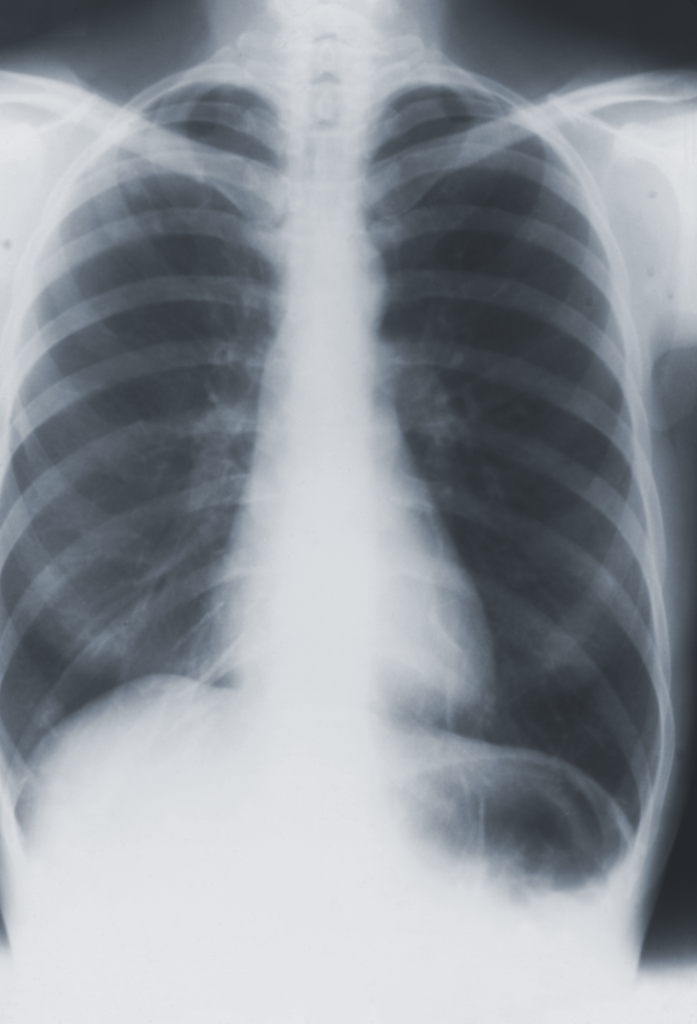
- Chest X-rays are readily available and accessible nearly everywhere in the U.S., making it easier to look for active TB.
- Tuberculosis is not highly contagious and is not transmitted by transient contact. Person-to-person transmission requires living in the same household or sharing the same office cubicle for many hours and days, so passing someone in the hallway or sitting beside someone on public transportation is not adequate for transmission.
- Tuberculosis is treated with antibiotics, and management of it is well understood. TB treatment also usually costs very little or may be free in many places. The treatment course for someone with asymptomatic latent TB lasts 1-3 months depending on the antibiotic.
- A vaccine for TB does exist, but it only prevents severe, disseminated tuberculosis, where the bacteria spreads beyond the lungs to other organs, and TB-related meningitis in children. It is not very effective at preventing pulmonary TB and is not routinely recommended in the U.S. because the risk of disseminated TB in children is so rare. Despite the recent national increase in reported cases, the U.S. is still “nowhere close” to needing to consider recommending the TB vaccine.
- “Hot spots” for TB infections include settings where large groups of people live close together, such as homeless shelters, correctional facilities, hospitals, and nursing homes. That said, only about a quarter of cases, from 2017-2023 in the United States were in these types of settings while more than two-thirds were in family and social networks.
- Tuberculosis testing and reporting varies widely by county and state. Journalists should consider finding out how effectively their state’s public health department tracks infections.
How to reduce your risk
- Be aware of the risk factors and specific medical conditions that increase the risk of infection.
- Be aware of the symptoms of TB, which include a persistent cough lasting more than 3 weeks, chest pain, coughing up blood, weight loss and recurrent fevers. Tuberculosis should be considered and ruled out in someone with these symptoms even if they aren’t aware of a possible contact who might have transmitted the infection, especially since transmission could have occurred years earlier.
- Specific groups at higher risk include people who were born in, who frequently travel to, or who studied or worked abroad in countries with high levels of TB; people who live in large group settings, such as shelters, prisons, or military barracks; and people who work in places where tuberculosis is more likely to spread, including hospitals and nursing homes.
- Encourage family members to be upfront about answering questions from physicians designed to assess a person’s TB risk or likelihood of infection. “Too often we get families that edit what they tell us,” especially when seeing specialists and not describing all the symptoms they have that they may not think relate to that specialty, Nachman said, “That means we only get half the story.”
Story ideas
- What are their local or state rates of tuberculosis? How effectively is it tracked? What kind of public awareness campaigns exist to encourage people to be aware of their risk factors, ways of getting screened or tested, and getting treatment?
- How easy is it to access treatment in your local area, and how expensive is it? How much is it utilized?
- What are the rates of medication discontinuation or lack of adherence in your area, which can lead to increases in antibiotic resistance against TB?
- Find an individual with tuberculosis in your area and profile how they might (or might not) have contracted it, what their medical journey was like to getting diagnosed (including how long diagnosis took), and what their treatment was like, including costs.
- If you have a major correctional facility, such a large prison, in your community, how often do they test for TB? Similarly, how much are local hospitals, nursing homes, and jails thinking about the risk of tuberculosis among their populations and screening or testing for it?
- How has funding and/or personnel in local or state public health agencies changed in the past five years? How many resources are going toward TB detection, testing, and contact tracing, and how does that compare to previous years? Have changes in federal funding affected resources available to address TB locally or in your state?
*Data from the CDC is not always as reliable as it was prior to January 2025. However, some of the publications from the agency currently coming out were conducted prior to January 2025 and prepared by dedicated long-term public servants of the CDC who are likely presenting the best data they can. I now take extra care assessing each new report from the CDC, considering each one on a case by case basis, and I believe this one is likely fairly reliable
- Back to Top
