


UN seeks urgent action as global nutrition progress may miss 2030 targets
Date:
23 July 2026 4:00am WAT
<img src="https://healthylife7.com/wp-content/uploads/2026/07/google-1-1.png” alt=””>
Follow Us on Google Discover

As improvements in maternal andchild nutritionremain slow, the United Nations (UN) has called for urgent action to accelerate global nutrition progress and avert the risk of missing the 2030 nutrition targets
The call was made in the 2026 State of Food Security and Nutrition in the World (SOFI) report released by the Food and Agriculture Organisation (FAO), International Fund for Agricultural Development (IFAD), United Nations Children’s Fund (UNICEF), World Food Programme (WFP) and World Health Organisation (WHO)
The report found that while some nutrition indicators have improved marginally, the pace of progress remains insufficient to meet internationally agreed targets by 2030
Indicators such as child stunting, wasting, overweight, low birthweight and exclusive breastfeeding have recorded only limited improvements
At the same time, anaemia among women aged 15 to 49 years continues to worsen, while adult obesity has risen steadily from 12.1 per cent in 2012 to 16.2 per cent in 2024. The report also noted that only 30.8 per cent of children aged six to 23 months consume a minimally diverse diet, while about 150 million children under five remain stunted worldwide
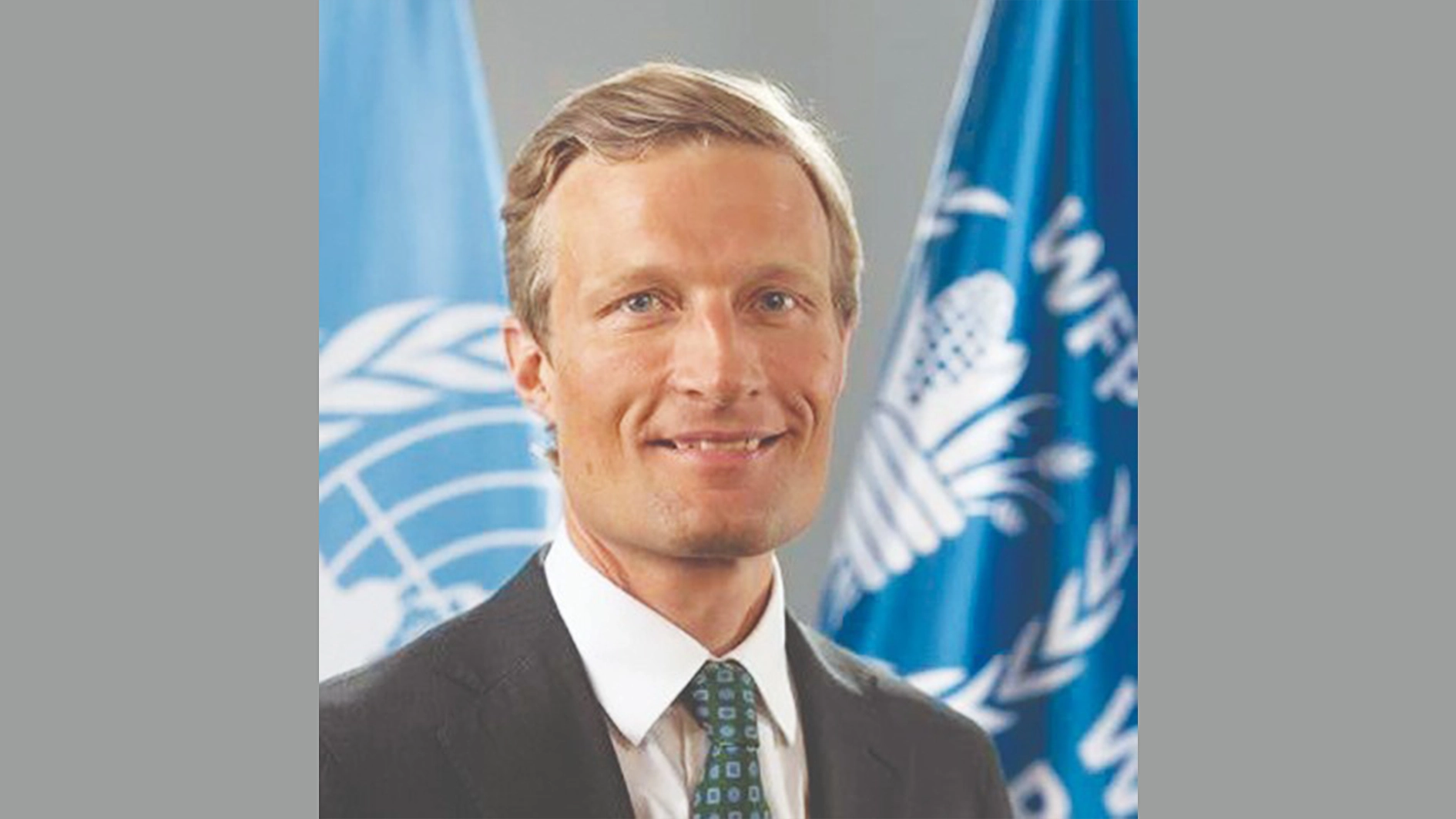
Speaking at the report’s launch, WFP Acting Executive Director, Carl Skau, said conflict and climate shocks continue to push nutritious food beyond the reach of millions of families and called for sustained investment in resilient food systems capable of withstanding future crises
The report also identified the rising cost of healthy diets as one of the major obstacles to improving global nutrition. It estimated that the average global cost of a healthy diet increased to 4.28 purchasing power parity (PPP) dollars per person per day in 2025
Although the number of people unable to afford a healthy diet declined globally from 2.97 billion in 2021 to 2.69 billion in 2025, affordability remains a major challenge for a significant share of the world’s population
The burden is particularly severe in Africa, where 66.6 per cent of the population could not afford a healthy diet in 2025, more than double the levels recorded in Asia and Latin America and the Caribbean. The report attributed these disparities largely to structural inefficiencies across agrifood systems, particularly the high costs associated with food processing, transportation, logistics and wholesale activities
To address the challenge, the UN agencies called for context-specific policies that expand the supply of nutritious foods while lowering structural costs across agrifood value chains
They recommended greater investment in infrastructure, irrigation, research and development, cold-chain systems and regulatory reforms, alongside interventions to improve productivity, reduce food losses and strengthen resilience to climate change
According to the UN agencies, governments must intensify efforts to make healthy diets more affordable and accessible if global nutrition goals are to be achieved
FAO Director-General, Qu Dongyu, said the report demonstrates that progress is possible but stressed that ending hunger and making healthy diets affordable would require stronger political commitment, sustained investment and enabling policies
He added that recent crises, including conflicts and natural disasters, have exposed weaknesses in agrifood systems and underscored the need to strengthen them to better serve vulnerable populations
IFAD President, Alvaro Lario, emphasised that resilient value chains must become central to efforts to reduce the cost of healthy diets. He urged governments and development partners to translate the report’s findings into investments that strengthen rural economies and improve access to nutritious foods
Also, UNICEF Executive Director, Catherine Russell, said every child deserves access to nutritious and affordable food.
Russell stressed that food, health, education and social protection systems must work together to protect vulnerable children and women from global shocks
While commending the progress made in reducing hunger, WHO Director-General,Dr Tedros Ghebreyesus, warned that healthy diets remain unaffordable for one in three people globally
He urged governments to implement proven measures such as promoting breastfeeding, introducing front-of-pack nutrition labelling, taxing unhealthy products and protecting children from harmful food marketing, stressing that healthy diets are the foundation of good health and should be within everyone’s reach
