



University of Richmond Summer Fellowships support three students helping assess disease burdens worldwide
STUDENT EXPERIENCE
July 21, 2026
By Sandra Shelley, senior writer, UR Now
This summer, three UR students are having the rare opportunity to contribute as undergraduate researchers to the Global Burden of Disease (GBD) Study. The study is the most influential and comprehensive effort to quantify and compare population health worldwide. Emma Brashear, Bryan Nguyen, and Sarah Zoglin are serving as interns with the hepatitis A team of the GBD Study, which is led by the Institute for Health Metrics and Evaluation (IHME) at the University of Washington
“IHME makes their research freely available to everyone in order to inform health policy and practices around the world,” Zoglin, a senior biology major, said
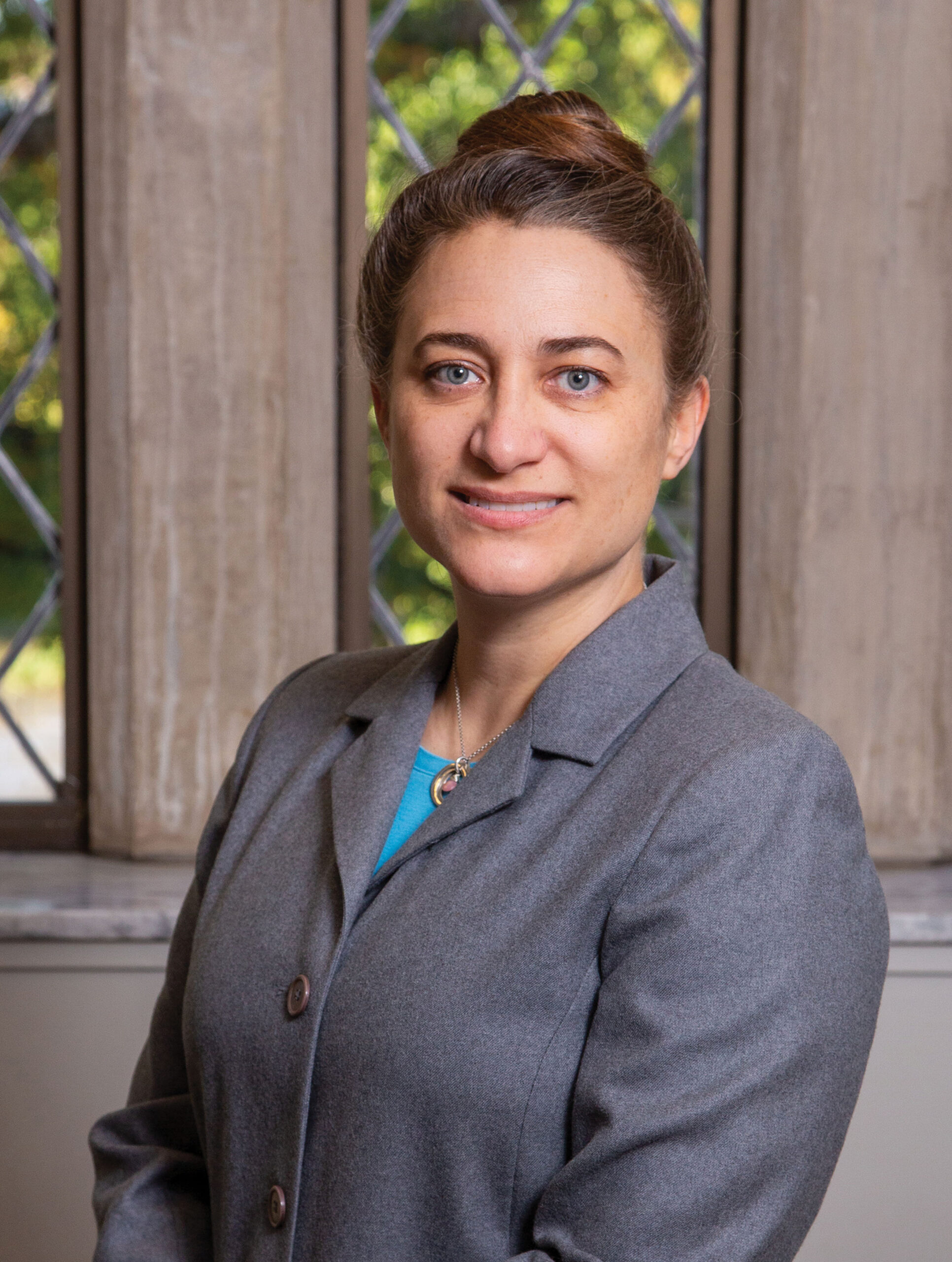
Health Studies professor Kathryn Jacobsen, who is a GBD Principal Collaborator, connected the students with the project. They are supported by the Richmond Guarantee (see sidebar)
“The Global Burden of Disease study is the world’s best cause illnesses, disability, and death in every country worldwide, and the UR interns have had a unique opportunity to work with the GBD hepatitis A team,” Jacobsen said
The UR students are extracting data from published articles about hepatitis A, a viral liver infection that spreads through contaminated food and water or close person-to-person contact. The students are working remotely and connect with each other about their research almost every day
Zoglin said the experience has prepared her for an epidemiology class she will take in the fall. She enjoys seeing how her behind-the-scenes work can inform policy decisions
“Being able to sit in on meetings about disease modeling based on the data I input is cool to see.” The trends the model outputs reveal about changes in hepatitis A risk over time will inform the decisions countries make about vaccination recommendations and other health policies, she said. “I was surprised to see how many levels of analysis are required to generate the scientific evidence used to inform global public health policies.”
Jacobsen said the interns have spent more time reading and interpreting epidemiology articles than most people with graduate degrees in the field.
“They have participated in the whole process that GBD uses to find dataodel, evaluate the model outputs, and refine the model,” Jacobsen said. “Being able to write and talk about collaborating with IHME experts on research will definitely enhance their applications for graduate study and jobs.”
Nguyen said the work involves reading through published articles each day and extracting information about hepatitis A around the world. “Besides confirming that an article presents the right kind of information for us to use in our meta-analysis, we have to evaluate the rigor of the methods to make sure that only high-quality studies are added to the database,” said Nguyen, a senior who is an aspiring physician
Brashear, a senior majoring in economics in the School of Arts & Sciences, said the internship aligns with her interests in economics, statistics, and pre-medical studies. In addition to her work with the GBD hepatitis A team, she conducted a cost-benefit analysis of hepatitis A vaccination with economics and philosophy, politics, economics, and law professor Erik Craft
“Although initially I assumed vaccinating most people against the disease would be beneficial, in a lot of countries that may not be the best solution,” Brashear said. “It was really surprising to learn this.”
As an example, she said that some countries lack a clean water supply, leading most of the population to contract hepatitis A at a young age. Young children who become infected with hepatitis A virus usually have no symptoms but gain lifelong immunity against the disease
Brashear and the other students are working to complete the data extraction portion of the systematic review by the end of the summer. Their inputs will directly improve the hepatitis A risk maps and other GBD outputs that will be
