


This entry is part 2 of 2 in the series The National Cancer Plan for England: A closer look
In February 2026, the Government published the National Cancer Plan, the first dedicated cancer strategy for England in a decade. With a new Government now responsible for the Plan’s implementation, it is vital that the Plan remains a priority and that its ambitions are delivered at pace. In this series, we offer our perspective on a few key features within the Plan and what actions are needed to translate its commitments into genuine improvements for people affected by cancer.
In this article, Cancer Research UK Prevention Lead Kruti Shrotri explores why reducing obesity rates must be a national priority and what it will take to tackle the obesogenic environment
Athirdof cancer cases in England are preventable. And with cancer cases on the rise, that statistic alone makes the case for prevention impossible to ignore
Tobacco remains the leading cause of preventable cancer. But while smoking rates have fallen dramatically in recent decades, rates of overweight and obesity are going up. According to analysis by Cancer Research UK, almost 7 in 10 adults in the UK are overweight or obese. Among children in their final year of primary school in England,almost 4 in 10are overweight or obese, with rates highest in the most deprived communities
This matters because the evidence is clear: overweight and obesity increases the risk of atleast 13 different types of cancer. And children who are obese arearound five timesmore likely to be obese in adulthood, increasing their risk of cancer as adults
Reducing obesity rates must be a national priority
The National Cancer Plan rightly highlights the importance of cancer prevention. But reducing obesity rates requires action that reaches far beyond cancer services and even the wider health sector. It demands coordinated leadership across government, from education and housing to business, transport and beyond
Successive governments have recognised the challenge. Between 1992 and 2020,14 government-led obesity strategieswere published in England alone. More recently, the 10 Year Health Plan set out the welcome ambition to ‘end the obesity epidemic’
But rhetoric hasn’t been matched with enough action
Weight-loss medications, including GLP-1 drugs, will play an important role in helping some people achieve healthier weights. But treatment alone won’t be enough to solve the obesity crisis, which has been decades in the making
To make lasting progress, we need to prevent obesity in the first place
The‘obesogenic environment’is complexto shift
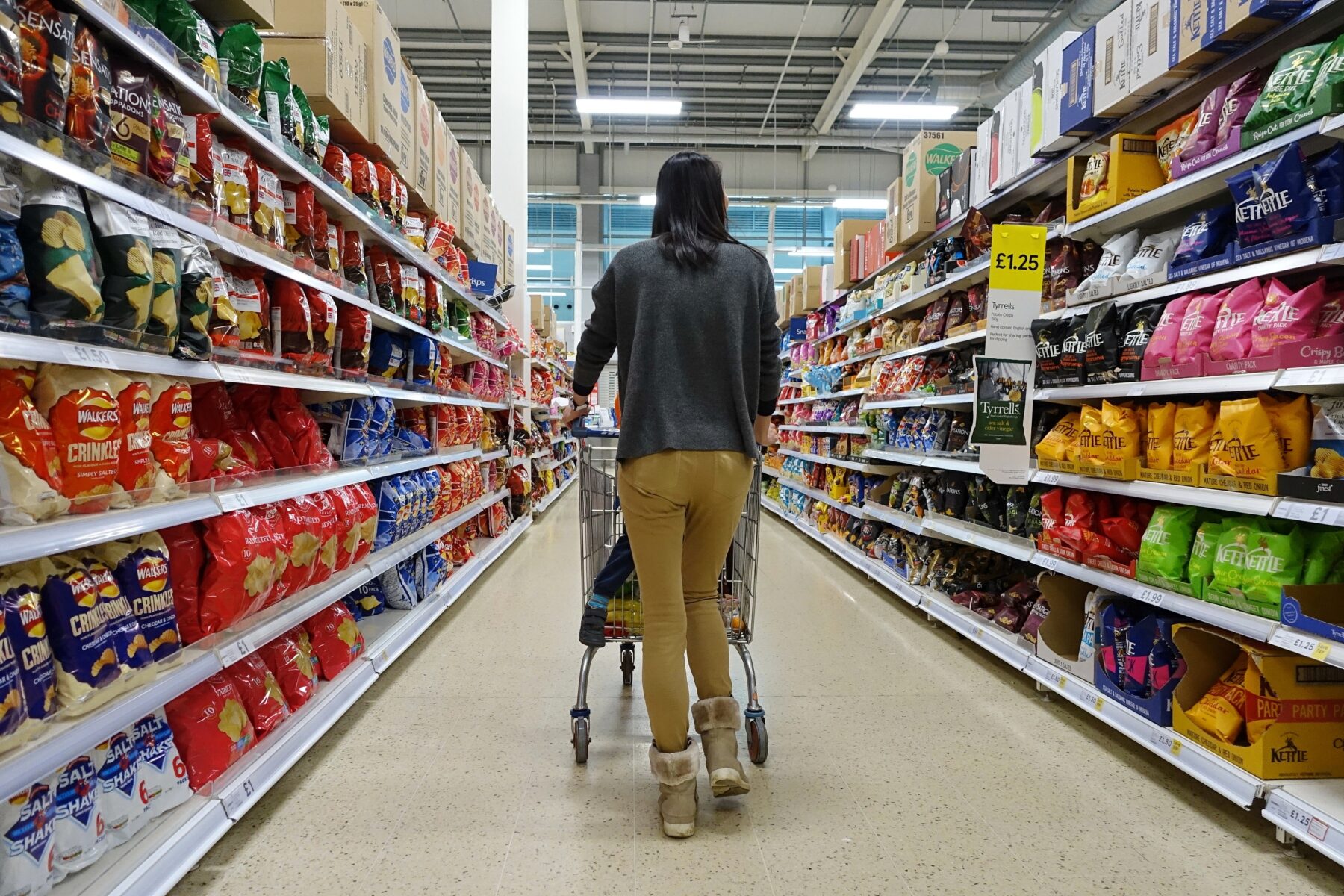
Over the past four decades, the UK food environment has changed dramatically. Foods high in fat, salt and sugar (HFSS food) have become heavily marketed, widely available, and are often cheaper than healthier alternatives
Combined with fewer opportunities for physical activity plus wider social and economic pressures, we find ourselves in an environment that makes it harder to keep a healthy weight. Public health experts call this the ‘obesogenic environment’
Changing this environment will not be easy
It means pulling multiple levers across government. Nationally, stronger restrictions on the marketing and promotion of unhealthy foods could help curb consumer demand, and healthier food could be made more affordable and accessible. Sustained education and campaigns could help improve public understanding of healthier diets
Locally, communities could be given greater powers to limit the spread of fast-food outlets, particularly near schools. And better walking and cycling infrastructure, along with more green spaces, could support more active lifestyles
The government has already taken some important steps towards this
The Soft Drinks Industry Levy, introduced in 2018, drove asubstantial reductionin the amount of sugar in many soft drinks. Restrictions on junk-food advertising on TV and online, first announced in 2020, are also predicted to have a positive impact
But the scale of change has not matched the scale of the challenge.Loopholesintroduced following industry lobbying have weakened the expected impact of advertising restrictions. Meanwhile, progress on another promising policy – to introduce mandatory reporting and targets on healthier food sales for large food companies – appears to have stalled, despite government commitment to deliver it through the 10 Year Health Plan
Simply put, we are moving too slowly
Tobacco control shows what’s possible
If tackling the obesogenic environment seems daunting, it is worth remembering that smoking rates once seemed just as difficult to shift
In the 1950s, more than 60% of men and nearly 40% of women smoked, even after research had firmly established the link between tobacco and cancer
Meaningful change did not happen overnight. It was the result of decades of sustained policy action
TV advertising bans were introduced in 1965. Tobacco taxes increased throughout the 1980s. Public awareness campaigns and stop-smoking services expanded in the 2000s. In the last twenty years, the pace of policy change accelerated. Smoking was banned in enclosed public places, and tobacco companies were required to sell their products in plain, unbranded packaging to reduce their appeal
Most recently, the Tobacco and Vapes Act became law in 2026, putting us on course for a historic ‘smokefree generation’ by preventing anyone born after 2009 from ever being legally sold cigarettes in the UK
None of these changes came easily. The tobacco industry continually sought to weaken, delay or prevent them. But policymakers persisted, and the results speak for themselves
Today, adult smoking rates in the UK are ataround 11%
There’s still more to do. The policies in the Tobacco and Vapes Act need to be properly implemented. And smoking cessation support is needed for over 5 million people across the UK who smoke, with higher prevalence in more deprived communities
But the central lesson remains clear: sustained, evidence-led policy action works
Civil society organisations havepledgedto work towards less than 1% of people smoking by 2040. A smokefree future, though not yet a given, is in sight
Tackling the obesogenic environment must be part of building a more preventative state
At Cancer Research UK, we’re clear that reducing obesity rates must involve shifting the environment we live in to one where it is easier to keep a healthy weight
WhileGLP-1drugs can help with weight loss, evidence so far suggests that preventing overweight and obesity in the first place remains the most effective way to reduce cancers linked to excess weight
If we look worldwide, there are encouraging examples of success
In 2016, the Chilean Government introduced the Food Labelling and Advertising Law, aimed at protecting children from unhealthy food marketing. The measures included mandatory warning labels on HFSS products, restrictions on marketing to children, and limits on their sale in schools.Early evidencesuggests that these policies have contributed to reductions in overweight and obesity among school-age children
Closer to home, the ‘Amsterdam Healthy Weight Approach’ has demonstrated the value of local leadership. By bringing together schools, healthcare professionals, businesses and communities, the city developed a whole-system strategy designed to help children maintain a healthy weight. The programme has reported somepromising resultsin reducing excess weight among children
These examples show that progress is possible
But success requires leadership from the very top of government, backed by coordinated action across multiple sectors and sustained commitment over many years. There is no single policy that will solve the obesity crisis, just as there was no single policy that led to the dramatic fall in smoking rates
The government’s ambition to build a more preventative state is welcome. Making that vision a reality means creating the conditions for good health, through the policies, systems and places that shape people’s lives
That starts with tackling the obesogenic environment
The journey will not be quick, and it will not always be easy. But the UK’s success on reducing smoking rates shows what can be achieved when governments stay the course
It’s time to bring that same determination to reducing obesity rates. If we do, we can help future generations grow up healthier, reduce their risk of cancer, and give more people the chance to live longer, better lives
