


Weight-loss drug boom shifts costs to insurers and taxpayers – Earth.com
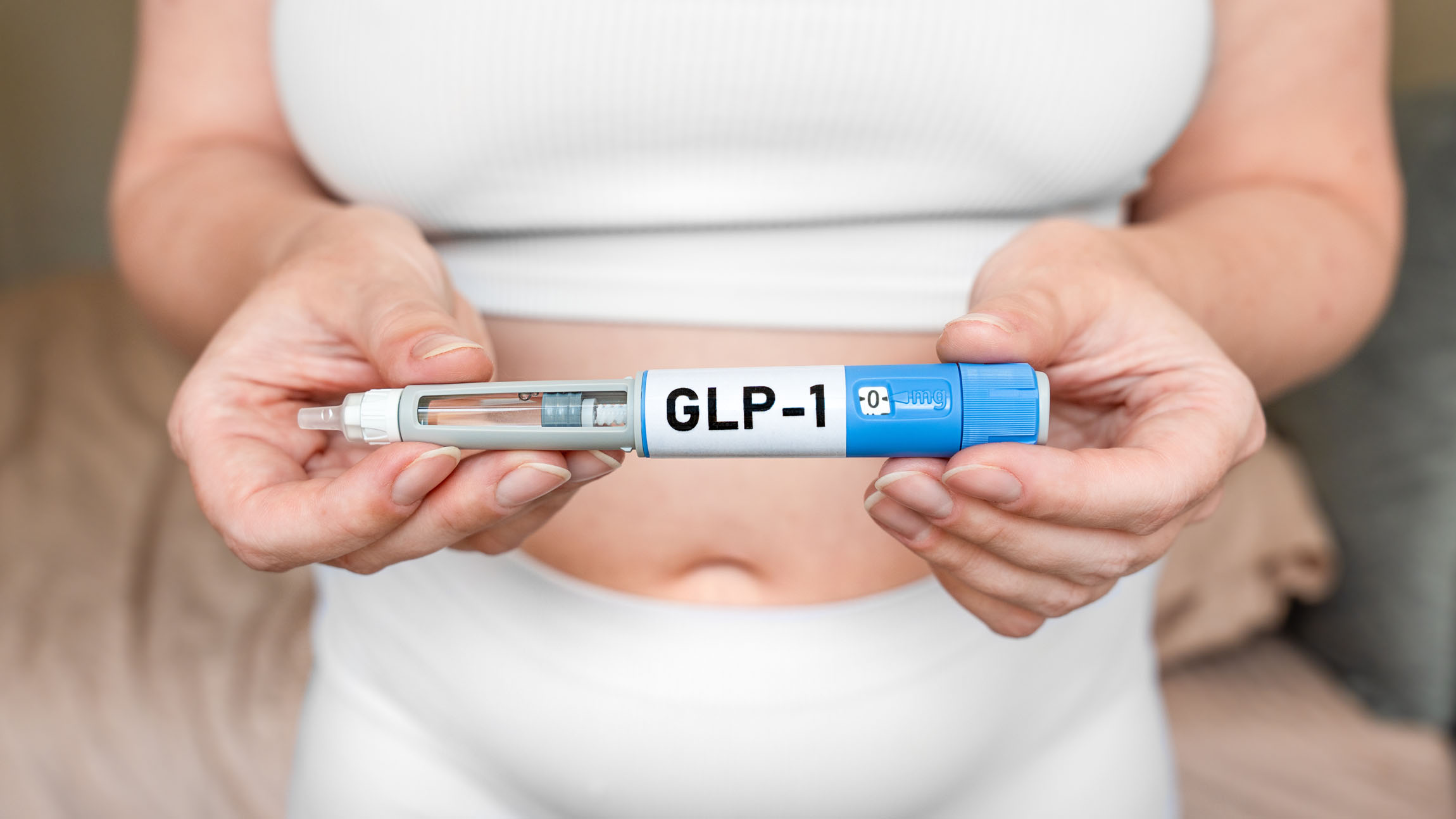
<img src="https://healthylife7.com/wp-content/uploads/2026/07/image-94.jpg” alt=”Woman holding a GLP-1 injection pen for weight loss as GLP-1 weight-loss drug costs continue to rise.”>
07-21-2026
Weight-loss drug boom shifts more costs to insurers, employers, and taxpayers
ByRaquel Brandao
Earth.com staff writer
A new study shows how quickly GLP-1 weight-loss drug costs are rising across the United States. Use among Americans without diabetes jumped 643% between 2017 and 2022, while the average total bill per user more than doubled. The sharpest growth came from people taking the drugs to lose weight rather than to manage blood sugar
That combination – far more users, each one costing far more – spreads well past the people filling the prescriptions. When drug costs climb this fast, the money comes from insurers, employers and government programs. They recover it through higher premiums, higher taxes and, in some places, dropped coverage
Measuring the GLP-1 boom

The work comes out of Northwestern University, where researchers wanted a clear national picture of GLP-1 drug use. They examined who was taking the drugs, why, and what each course of treatment actually cost
Dr. Michael Hammond, a recent graduate of the internal medicine residency program at Northwestern’s McGaw Medical Center, led the analysis alongside colleagues at the Feinberg School of Medicine
What they found reaches past the people filling the prescriptions. In an email to Earth.com, the study’s authors said, “Even if you never take a GLP-1, you help pay for the growth in total spending.”
They drew on the Medical Expenditure Panel Survey, a long-running federal survey that tracks health spending across a broad, representative sample of U.S. households. Nearly 1,900 people in the data reported taking a GLP-1 drug at some point between 2017 and 2022. Scaled up to the whole country, that group stands in for more than 20 million American adults
The timing captured a real turning point. Semaglutide, sold as Ozempic for type 2 diabetes, arrived in 2017, and the same compound won approval for weight management as Wegovy in 2021
The real cost of GLP-1s
The number that stands out is the 643% jump among people without diabetes. Among people with diabetes, use rose by 230%, a far more modest increase by comparison. Until recently, these drugs lived almost entirely inside diabetes care. The study captures the moment they broke out of it and became something millions of people take to lose weight
The cost side moved in step. For adults without diabetes, the average total payment per user rose 157% – from roughly $2,700 in 2017 to nearly $6,800 by 2022. Among people with diabetes, total payments per user rose a comparatively gentle 36%, a sign that the newer, pricier weight-loss prescriptions were driving most of the increase
One figure cuts against the trend. What patients paid directly, out of their own pockets, actually fell – down about 26% for people without diabetes and 39% for those with diabetes. Over the same years, the average out-of-pocket cost for a person without diabetes dropped from around $210 to about $160
That gap between rising totals and falling out-of-pocket costs is the point of the study. The drugs did not get cheaper. At the pharmacy counter, the visible price simply landed on someone else. Insurers, employers, Medicare and Medicaid absorbed the difference, and the total kept climbing even as the patient’s share shrank
Earth.com asked the team what would help patients most, and they drew a sharp line. “Redesigning out-of-pocket costs helps individual patients but does not lower the total bill, it just changes who pays.”
The wider financial burden
Xiaoning Huang, an assistant professor of medicine in the division of cardiology at Northwestern, laid out where that hidden cost surfaces. “On the commercial side, employers and insurers facing higher drug spending tend to pass it through in the form of higher premiums, higher deductibles or tighter rules,” said Huang
The public side works the same way through a different door. Government figures show Medicaid spending on these drugs jumping from roughly $600 million in 2019 to nearly $4 billion within a few years, even as the number of states covering them for obesity has fallen
Asked by Earth.com what would most reduce the long-term bill, the authors pointed to the price itself rather than to demand. “The single biggest lever is the price per prescription, because the long-term bill is mostly volume multiplied by a high unit price that has not come down much.”
GLP-1 spending keeps rising
Before this work, the surge in these prescriptions was easy to see in headlines but hard to size at the national level, and easy to mistake for a cost borne mainly by the people taking them. The study shows the opposite
As use exploded among people without diabetes, the shrinking pharmacy-counter price hid a total bill that more than doubled per user and flowed outward to premium payers and taxpayers. That outward flow is the part earlier coverage missed
The data stops in 2022, before tirzepatide, sold as Zepbound and Mounjaro, won approval for weight loss and before Medicare offered eligible seniors weight-loss drugs for a flat $50 monthly copay
Both changes almost certainly push the trend further in the same direction. Spending on these drugs through public programs has continued to rise since the study’s final year
Writing to Earth.com about that new Medicare program, the team expects use among eligible seniors to climb again. “The catch is that a lower copay does not make the drug cheaper, it moves more of the price onto Medicare.”
The cost debate continues
What comes next is a policy question the numbers sharpen rather than settle. At a wholesale cost above $12,000 a year, one paper found, large employers have already begun questioning whether they can keep covering the drugs
If tens of millions of people take one for years or decades, the arithmetic of who pays stops being abstract
The finding gives lawmakers, insurers and employers a concrete measure of how fast the burden is growing and whose budgets it is landing on
The study is published in the Journal of the American Heart Association
—–
Like what you read? Subscribe to our newsletter for engaging articles, exclusive content, and the latest updates.
Check us out on EarthSnap, a free app brought to you by Eric Ralls and Earth.com
—–
