


- What Is PTSD?
- Take our Depression Test
- Find a therapist to heal from trauma
Key points
- PTSD explains trauma symptoms, while cognitive immobility describes how war can continue to shape daily life.
- Cognitive immobility involves remaining psychologically anchored to past places and experiences.
- Veteran support should address trauma, identity, civilian adjustment, and the struggle to feel at home.
Jos, a 31-year-old army veteran, smashed his Xbox during an argument with his wife, according to a news report. He was surprised when a neighbour called the police and reported the incident as domestic violence. His wife had not contacted the police because she understood the difficulties he had faced since returning from deployments to Afghanistan and Iraq. Jos was later charged with a domestic violence offence
His experience points to a wider problem. Some US veterans return from combat carrying psychological wounds that affect their relationships, behaviour, and ability to adjust to civilian life. Post-traumaticstress disorder (PTSD) can develop after exposure to traumatic events. In some cases, untreated symptoms can contribute to conflict at home or contact with the criminal justice system, though most people with PTSD are not violent
PTSD affects a substantial number of US veterans. Studies suggest that up to 30 percent of those who served in Afghanistan and Iraq may develop the condition, compared with about 21 percent of Gulf War veterans
When treatment replaces punishment
Jos is one of many veterans who have been charged with offences or imprisoned. A federal report estimated 181,500 veterans were held in US prisons and jails in 2011–12. Many served in combat zones and faced difficulties adjusting to civilian life after returning home
Imprisonment is not the only troubling outcome linked to veterans’ mental health. According to the U.S. Department of Veterans Affairs’ 2025 National Veteran Suicide Prevention Annual Report, 6,398 US veterans died by suicide in 2023, averaging 17.5 each day. The figure remains deeply concerning
Jos did not want to become another statistic. After being charged with a domestic violence offence, his case was heard in a veterans court instead of the conventional criminal court system. These courts address factors linked to offending through treatment, supervision, counselling, and peer mentorship
Veterans who enter these programmes may receive mental health or substance-use treatment, regular judicial supervision, and support from veteran mentors. Duration and requirements vary between courts, so not every programme lasts six months. These courts offer some justice-involved veterans access to treatment and support alongside legal accountability
When the body returns but the mind stays behind
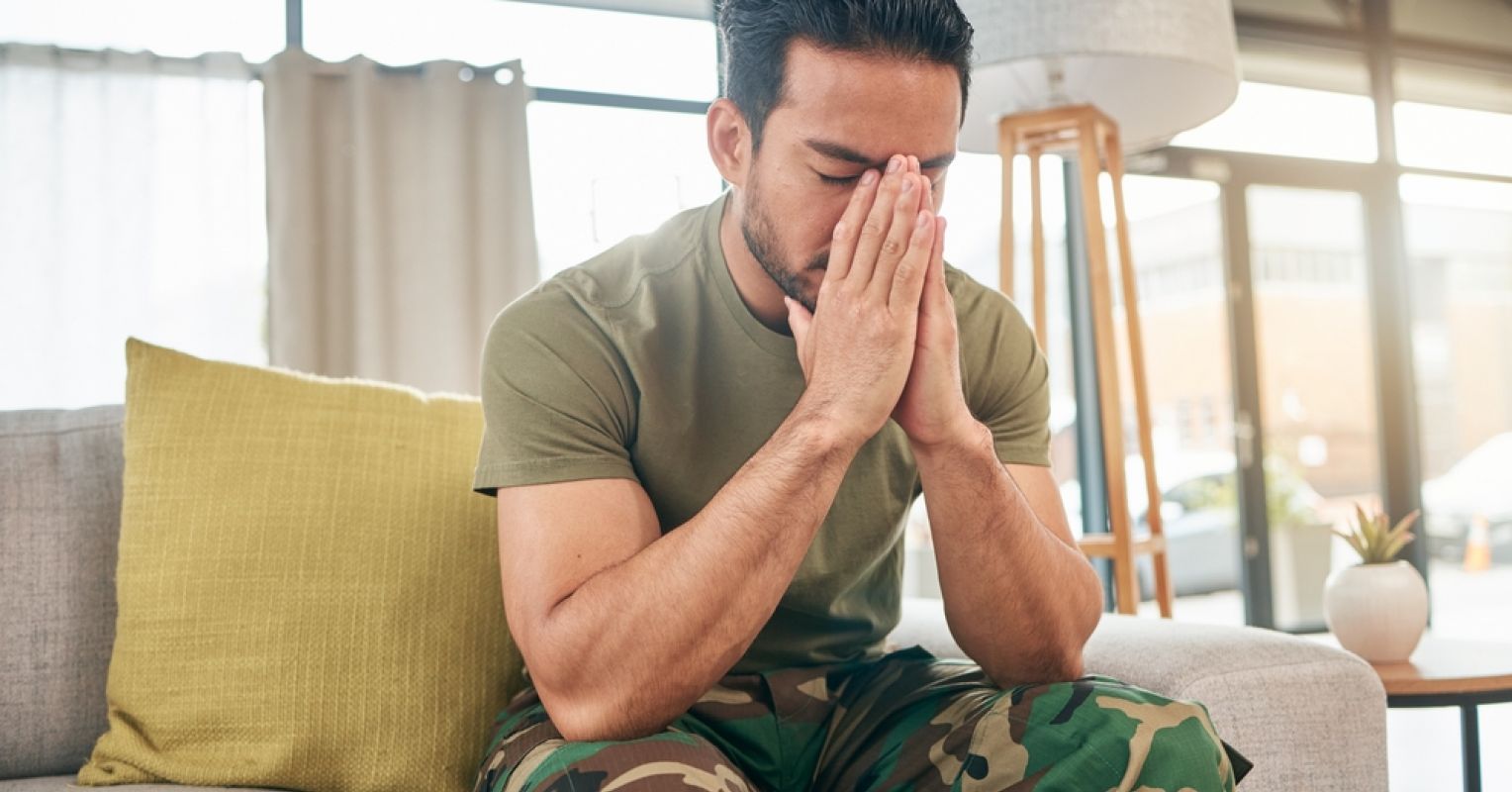
When Jos came home from Afghanistan, the war did not end for him. Although he had left the battlefield, the battlefield had not entirely left him
According to the report, he became “a changed man,” living “in a constant state of anxiety during the day” and waking at night drenched in sweat from nightmares. Loud noises triggered flashbacks of the day his base came under attack
Jos also described constantly looking over his shoulder in public to make sure that no one was approaching him from behind. He experienced depression and panic attacks and made several suicide attempts. Physically, he was back in the United States. Psychologically, part of him remained in the war zone
- What Is PTSD?
- Take our Depression Test
- Find a therapist to heal from trauma
Experiences like Jos’s are typically understood as PTSD, and the diagnosis helps explain why traumatic memories continue to intrude into everyday life through nightmares, flashbacks, hypervigilance, and emotional distress. But Jos’s story raises another question: What happens when a person leaves a place physically but never fully leaves it psychologically?
This is where the concept of cognitive immobilitybecomes useful
Cognitive immobility is not a psychiatric disorder. Rather, it is a way of understanding how people can remain psychologically anchored to places, identities, relationships, or experiences that continue to shape their lives long after they have physically moved on. This attachment may stem from trauma, but it can also arise from love, grief, belonging, or other deeply meaningful life experiences
Post-Traumatic Stress Disorder Essential Reads
Why Some People Feel Safer in Chaos Than in Calm

Food as Treatment for PTSD
Seen through this lens, Jos was no longer serving in Afghanistan, yet aspects of his wartime experience continued to shape how he perceived danger, navigated public spaces, and experienced everyday life. His body had returned home, but part of his psychological world remained organised around combat
When veterans consciously or unconsciously engage in the “persistent re-experiencing and reconstruction of past events or life experiences” and remain “mentally immobilised in the past,” they may move between the reality of being physically present in the United States and the psychological sense of still being in the war zone. This may produce a “disrupted sense of identity and home,” to the extent that returning feels less like coming home and more like bringing the war home. They may consequently struggle to feel that they are finally home.
PTSD explains the persistence of traumatic symptoms and their effects on mental health. Cognitive immobility explains how the past continues to organise a person’s present, shaping how they think, feel, behave, and understand who they are. In this sense, PTSD may be one pathway into cognitive immobility, but cognitive immobility extends beyond trauma to encompass a much wider range of human experiences
Coming home physically does not always mean leaving war behind psychologically. For some veterans, the past continues to shape their identity, emotions, relationships, and sense of home long after combat ends. Supporting veterans should involve more than treating PTSD symptoms. It should also help those still anchored to combat rebuild their sense of self, reconnect with civilian life, and truly feel at home again
