


Key points
- GLP-1 medications have many positive health benefits.
- Some people experience the unpleasant “Meh effect.”
- This effect is likely due to changes in the neurotransmitter dopamine.
One of my favorite movies of all time is Annie Hall, starring the late, great Diane Keaton. However, the original name of Woody Allen’s classic was “Anhedonia.” The studios didn’t think that title was marketable because it means the inability to feel pleasure. Probably not the best choice for a rom-com
Since the explosion in GLP-1 prescribing, I am hearing from more of my patients who take this class of drugs that they feel “Meh.” They are clear to point out that they are not depressed and do not feel sad or hopeless. Instead, they tell me they’d rather sit on the couch and watch Netflix than go to the gym or do any previously pleasurable activities. It’s not quite depression. It’s not exactly fatigue. Instead, it’s a feeling of emotional flatness—a sense that life has lost some of its “color.” The foods they once loved no longer excite them. Shopping feels unnecessary. Hobbies become less engaging. Even celebrations can seem muted. Patients often describe themselves as emotionally “neutral,” “disconnected,” or simply “blah.”
Sometimes referred to as the “Ozempic personality,” these feelings are thought to be related to changes in the brain’s reward center. The brain chemical most commonly affected appears to be dopamine, the neurotransmitter associated with motivation and reward. A positive effect of GLP-1 medicines is that they effectively quiet the “food noise” that individuals who are overweight struggle with. They have also been shown to decrease cravings for substances other than food, such as alcohol and nicotine. A 2022 review of the medical literature found that GLP-1 drugs resulted in “potent reductions in alcohol and substance abuse.”
This effect is not limited to humans. Several years ago, Professor Anders Fink-Jensen traveled to the island of St Kitts to investigate heavy drinking among its inhabitants. The inhabitants he studied were not human—the Velvet monkeys that live on the island are apparently notorious for sipping on cocktails stolen from visiting vacationers. Dr. Jensen provided unlimited quantities of alcohol to a group of monkeys who were pretreated with Ozempic. Significantly, those monkeys drank far less than their untreated counterparts.
Not everyone who takes a GLP-1 medication will experience this effect. Some actually feel better emotionally because of increased energy, less joint pain, improved sleep, and overall increased confidence. It is not clear why some individuals experience the GLP-1 “meh” effect. Probably it is due to a combination of genes, brain chemistry, and underlying mental health conditions. The “meh” effect is not depression, and I warn my patients who are starting these medications not to feel they are having a relapse of a mood disorder as they express thoughts like “nothing feels exciting,” “I don’t feel joyful,” or I feel flat.”
Some people find newght, you can take up exercise in some form, walk with friends, or start a new hobby like gardening, painting, reading, or traveling
How To Manage The GLP-1 “Meh Effect”
- Remember to eat a healthy diet even though you will feel full sooner. Eating less can impact your brain. Without its usual supply of nutrients, you may feel more foggy, have difficulty concentrating, or forget more often.
- Exercise. Your body does not selectively lose fat. When you are taking a GLP medication, you will also lose muscle mass. Offset this by engaging in resistance or weight training. Any kind of exercise is good for brain health, and it can positively affect your mood and motivation.
- Sleep well: lack of sleep harms brain health. Aim for 7-8 hours per night, and stay off your screens for at least 60 minutes before bed. Your brain is like a computer—it has to shut down in stages.
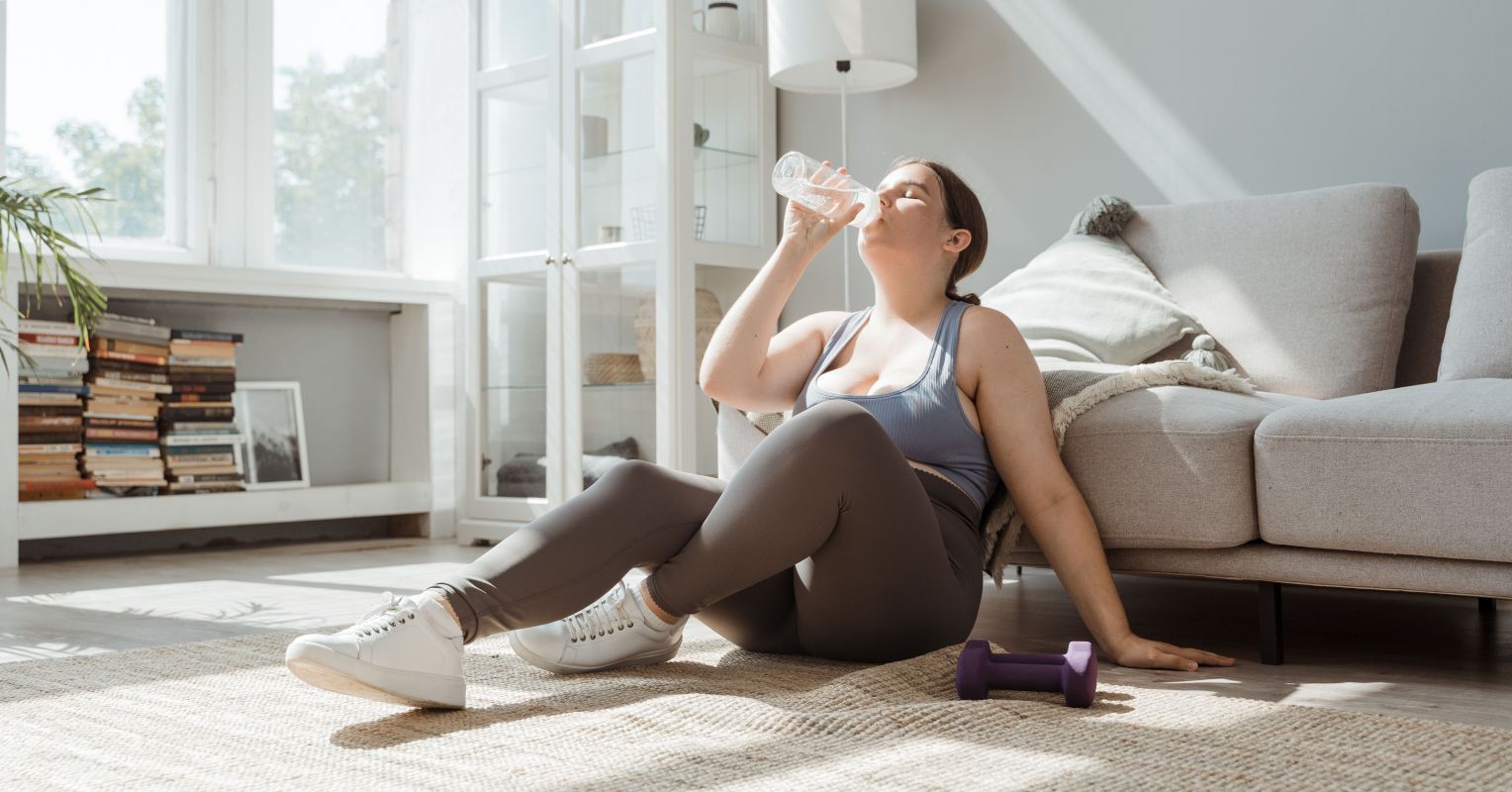
- Stay hydrated: Drink enough water. The goal is 64 ounces per day. Dehydration can add to fatigue and a flat feeling.
- If you have reached your goal weight, talk to your doctor about possibly lowering your GLP dose. It has been shown to improve the “meh.”
GLP-1 medications are transforming the treatment of obesity and other chronic illnesses. They improve metabolic health, decrease the risk of obstructive sleep apnea, and reduce the risk of cardiovascular disease. However, every medication, even aspirin, has effects beyond its primary target. While evidence suggests GLP-1 receptor agonists influence the brain’s reward pathways, it is still unclear whether emotional blunting—or the so-called “meh” effect—is a direct medication effect, an indirect consequence of changes in food reward, or a combination of biological and psychological factors.
Providers should recognize that patients’ emotional experiences are as important as the numbers on the scale. The ultimate goal of treatment is not simply weight loss—it is improved overall health, well-being, and quality of life
Klausen MK, Thomsen M, Wortwein G, Fink-Jensen A. The role of glucagon-like peptide 1 (GLP-1) in addictive disorders. Br J Pharmacol. 2022 Feb;179(4):625-641.)
Fink-Jensen A, Wörtwein G, Klausen MK, Holst JJ, Hartmann B, Thomsen M, Ptito M, Beierschmitt A, Palmour RM. Effect of the glucagon-like peptide-1 (GLP-1) receptor agonist semaglutide on alcohol consumption in alcohol-preferring male vervet monkeys. Psychopharmacology (Berl). 2025)
