


Healthy Weight
Why Feeling Hungry After Exercise Isn’t A Bad Thing
 Author:Zhané SlambeeAugust 18, 2026
mindbodygreen editor
By Zhané Slambee
Image by Eli Ritter x mbg creative
August 18, 2026
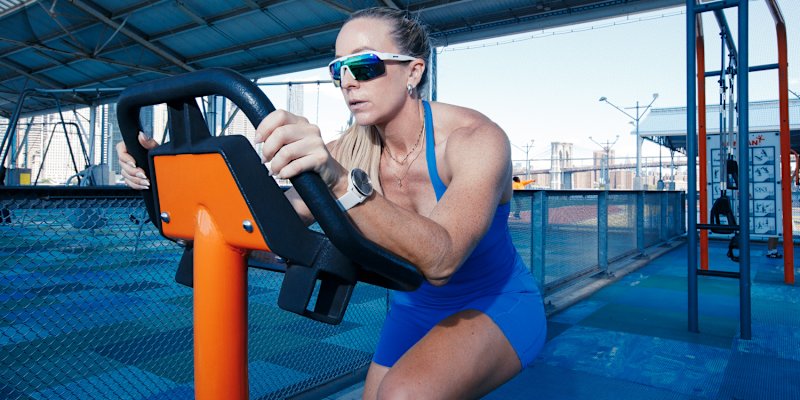
You finish a hard cycling class with your legs shaking, and by the time you get home you’re eating standing up at the counter. Most of us blame that on burning through our carbs
The logic tracks, since your body can only store so much carbohydrate, so using a lot of it might push you to replace it fast. But is that really what‘s driving the hunger?
A new study swapped the fuel people burned during an otherwise identical workout, then watched what happened at the next meal
About the study
Researchers at the University of Bath wanted to find out whether burning more carbohydrates during exercise makes you eat more afterward
The idea is that because the body stores much less carbohydrate than fat, using up more carbs might trigger the urge to replace them
Fifteen healthy adults cycled for an hour on three separate days at a steady, sustainable pace, with the intensity set around the point where they naturally burn the most fat
On the first day, they rode after fasting. On the second, they drank a carbohydrate drink before cycling. On the third, they fasted again but took niacin, a B vitamin that slows the release of fatty acids from fat tissue without adding calories
Two hours after each ride, everyone received the same meal and ate until comfortably full. Researchers then weighed what was left to see how much each person had eaten
More carb burning, more GLP-1, same size meal
The carb drink and niacin both did what researchers expected: People burned more carbohydrates and less fat during those rides than they did after fasting
creatine tone+
★ ★ ★ ★ ★
★ ★ ★ ★ ★
Both also increased GLP-1, a hormone that helps regulate appetite and fullness, immediately after exercise and again two hours later
The carb drink caused the biggest increase
If burning more carbohydrates made people hungrier, they should have eaten more at the test meal
They didn’t. People ate an average of 833 calories after the fasted ride, 786 after the carb drink, and 780 after niacin, with no meaningful difference between the three
Men and women showed the same pattern, but only five women participated, so the researchers say that comparison is too small to draw firm conclusions from
RELATED READ:This Is The Best Creatine To Gain Muscle & Lose Fat
What this says about the post-workout hunger theory
The findings challenge two common explanations for post-workout hunger
The first is the idea that using up stored carbohydrate, or glycogen, makes you eat more later to replace it. While older research has found that carbohydrate use and food intake tend to rise and fall together, this study suggests that doesn’t necessarily mean one causes the other
The second is the carbohydrate-insulin model, which suggests that carbs and insulin drive hunger. Here, niacin changed the fuel available in the bloodstream without making people hungrier or causing them to eat more
Even the rise in GLP-1, a hormone associated with fullness, didn’t change how much people ate
The authors therefore suggest that changing which fuel the body uses during exercise may affect metabolism more than it affects how much we eat afterward
Why the fat-burning zone isn’t worth micromanaging
If you exercise to manage your weight, you don’t need to worry that a workout will automatically make you hungrier later
Instead of micromanaging your fat-to-carb burn during a single session, focus on your overall diet and staying consistent with exercise. In this study, people who exercised fasted didn’t eat less afterward, either
The study was small, with just 15 young, lean, recreationally active adults, and researchers only measured one meal two hours after exercise
So we can’t say whether the results would hold over a full day or longer training period. The study was also not fully blinded, as 11 participants correctly guessed when they had taken niacin
The takeaway
Post-workout hunger looks less like a debt your body insists on repaying than a habit shaped by everything outside the ride itself. Choose the intensity you’ll actually repeat, and leave the accounting to your body
