



By
- Guest Editorial
The brain uses 25% of the body’s energy, burning over 500 calories each day. Yet society increasingly glorifies extreme thinness, often through starvation. While this may boost confidence for some people, especially women, its broader effects are often harmful
Proper nutrition is crucial to cognitive performance and our ability to effectively participate in our community. A well-nourished brain is better able to think critically — a non-negotiable in politics and active citizenship
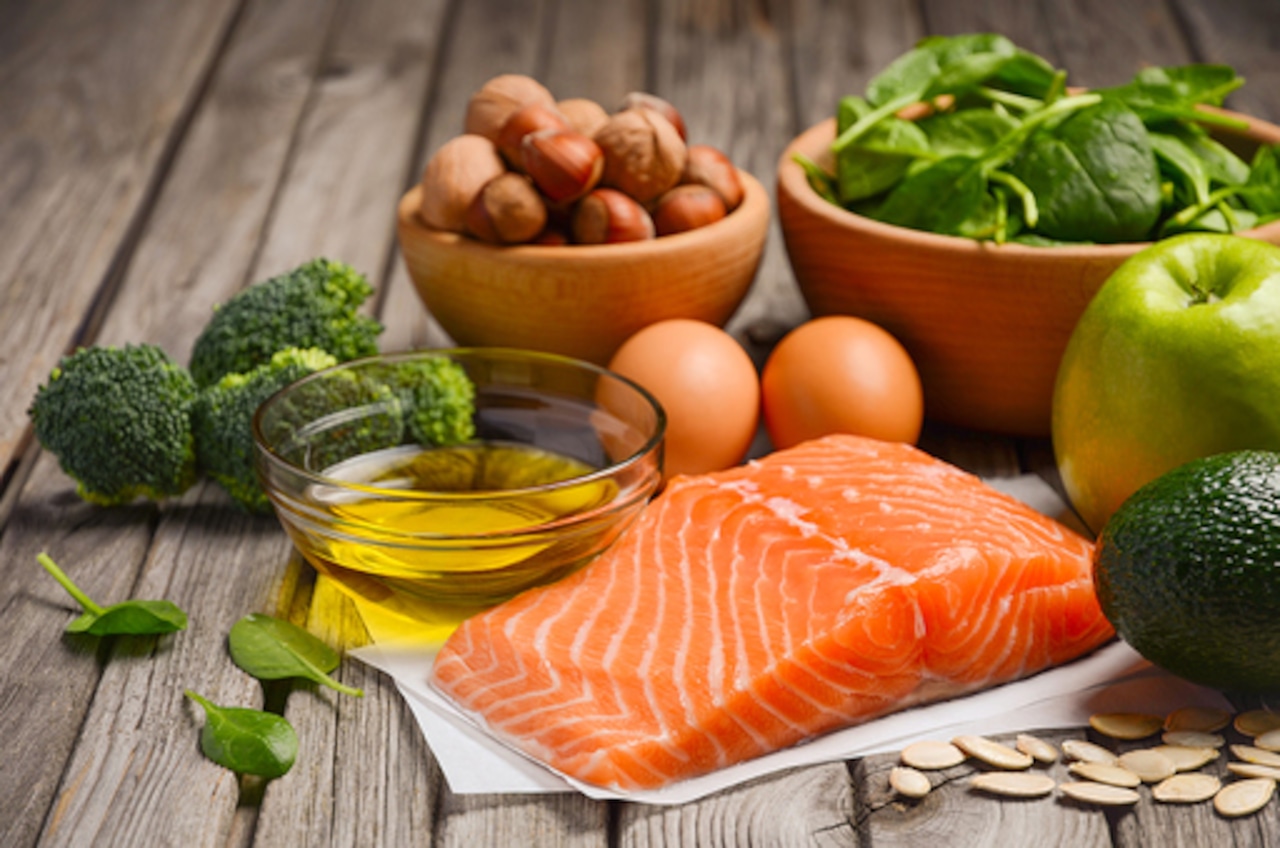
Nutrient-rich foods protect brain function, while processed foods and refined sugars promote inflammation and oxidative stress, impairing cognition
But maintaining a healthy relationship with food is just as critical as the nutrients themselves. The “Ozempic epidemic” refers not only to the push towards GLP-1s that help your body manage sugar, but also to the societal glorification of extreme thinness
A healthy relationship with food is also a key factor in developing critical thinking skills and the ability to participate
Restrictive eating disorders such as anorexia force your brain and body into a state of panicked starvation. Your body reserves any calories it gets to keep only basic functions, such as the heart beating and the eyes open. When you restrict your eating, your brain does not get enough nutrients to think critically about much of anything
Simply put, proper nutrition provides the biological “fuel” necessary for a critical mind while a healthy relationship with food ensures psychological stability and the social energy required to be a positive, active member of society
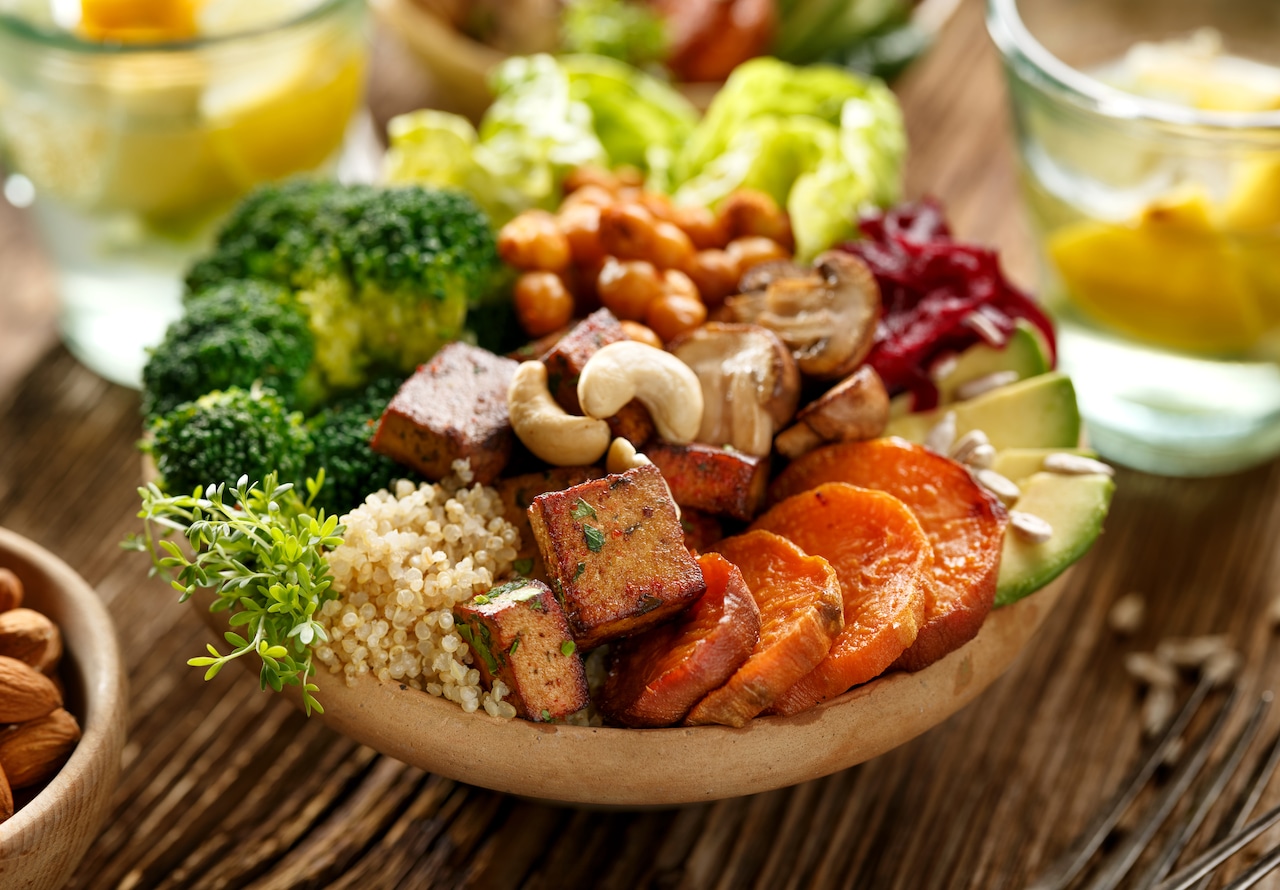
You need not only the physical energy to function well and to do things like research local, state, and national candidates, attend town halls and community events, volunteer, or otherwise support your community, but also contentment with yourself
If someone is consumed by their appearance and the number on the scale, they are unlikely to have the time or energy to engage with politics or their community. When people are trapped in disordered thinking about food, civic participation naturally takes a back seat. Food is fuel, not the enemy
So, what do you do with this?
With around 9% of the US population having some form of disordered eating, as well as up to 84% of women feeling dissatisfaction with how they look, it’s likely that someone reading this is struggling
Having struggled with eating and with my relationship with food, I understand the struggle and exhaustion that comes with teetering on the line between a healthy diet with exercise and a compulsive, unhealthy relationship with food. Through experience, I learned that building sustainable habits is much simpler than many fitness influencers suggest. It starts with focusing on the fundamentals, beginning with nutrition
First and foremost, it’s important to have a balanced diet of protein, fats and carbohydrates. Carbohydrates aren’t evil, but you can have too much protein. Make sure you include all food groups, emphasizing whole foods—particularly protein, fruits and vegetables

Additionally, I have never cut any foods out of my diet, nor will I ever. It’s simply not realistic for most people. When I crave something “unhealthy,” I pair it with something “healthy” and filling that helps me meet my nutritional goals while satisfying the craving
Second, you don’t need to do cardio every day for hours on end. I highly recommend incorporating weight training and yoga into your weekly routine as well. Cardio will help you burn calories and fat, but weight training, combined with a balanced, protein-focused diet, will replace fat with muscle
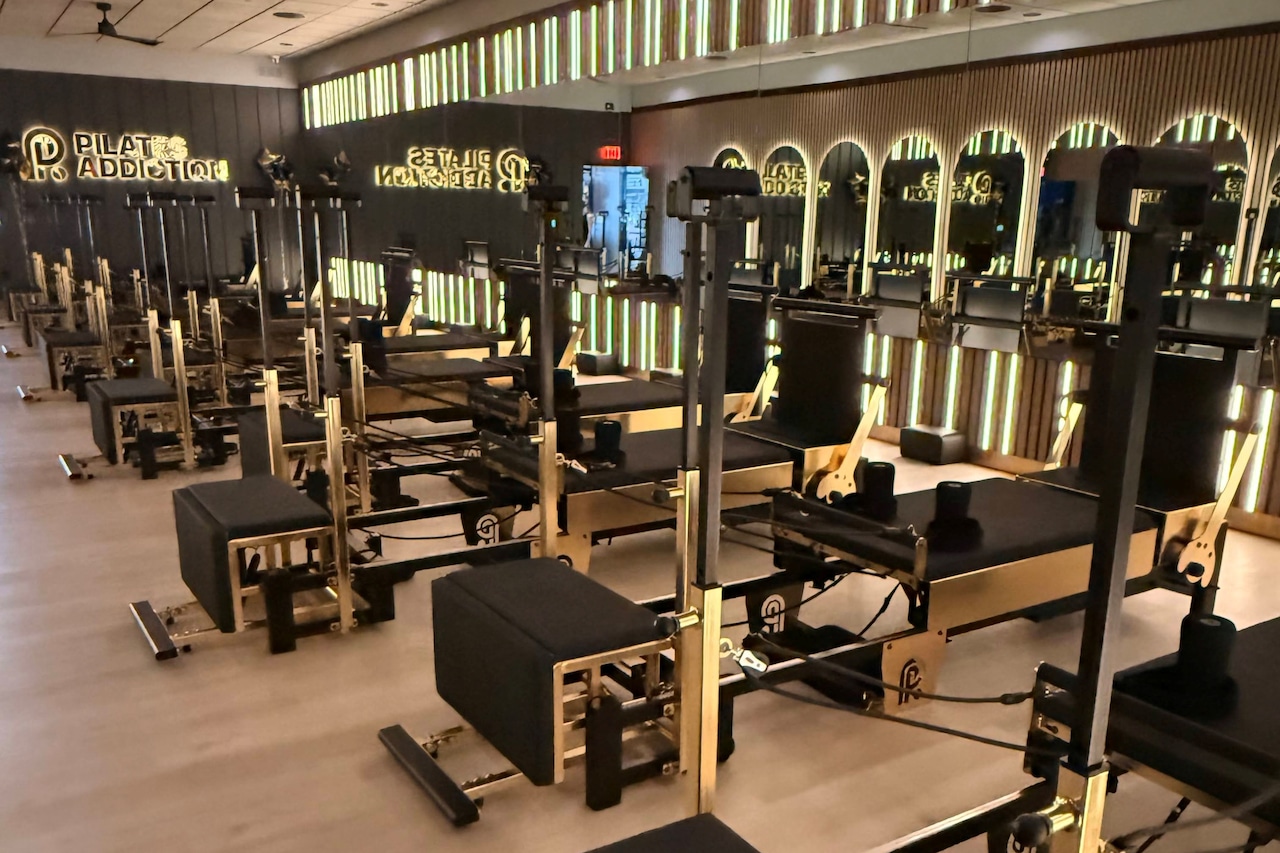
Inside Pilates Addiction, 3354 Washtenaw Ave., in Ann Arbor.Provided with permission from Pilates Addiction
I also recommend yoga and Pilates because they are not only good for relaxation and reconnecting with yourself but also great for flexibility
Give it about a month of consistent effort, and I assure you that you will see change, whether in your physical appearance or in your mental clarity and overall well-being. With that, I urge you to use that energy and the comfort within yourself to go out and help your community
Empower others through civic engagement and uplift them
Lillian Reaser is a student at Denison University in Granville, Ohio, and a summer intern with the World Affairs Council of Harrisburg and PennLive
