MarketingNews
Why healthy snack brands need more than nutrition to win
Consumers already care about nutrition. The next battle for healthy-snack brands will be won through taste, trust and visibility, say experts
Ubaid Zargar08 Jul 2026
05:30IST
New Update
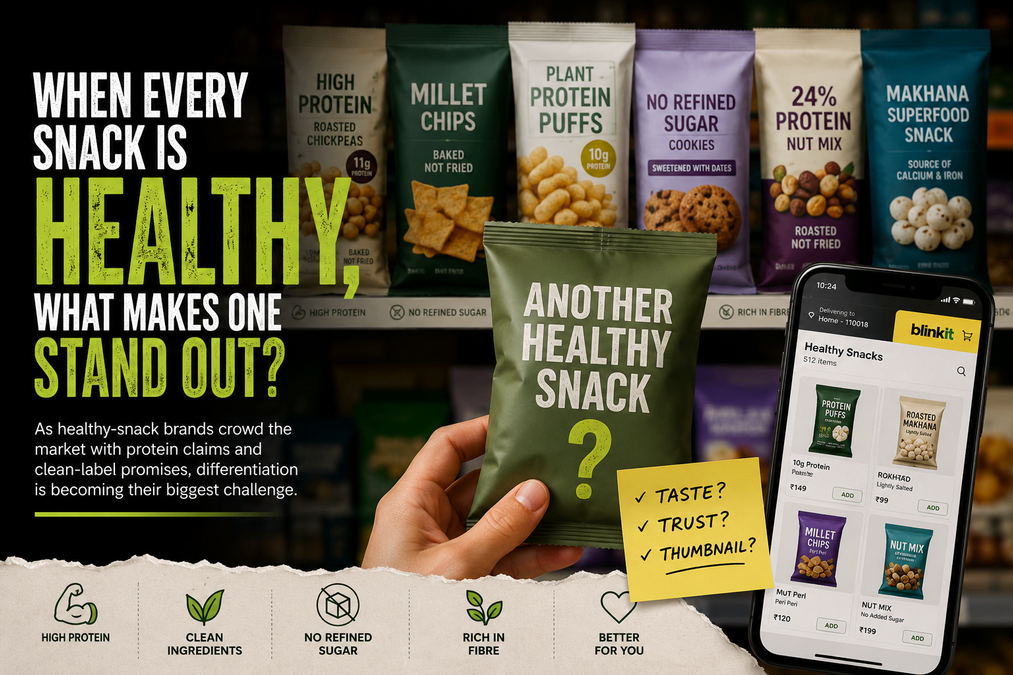
The healthy-snacking aisle has become a sea of nutritional virtue
Every pack appears to be high in protein, rich in fibre, free from refined sugar or crafted with ingredients your grandmother would supposedly recognise
For consumers, that is good news
For marketers, it is becoming a headache
As India’s healthy-snacking market expands, the challenge is no longer convincing people that nutrition matters. Brands have largely won that argument. Healthy snack brand Farmley’s latest Healthy Snacking Report found that 86% of consumers consider protein when choosing snacks, while 62% prioritise ingredient transparency above celebrity endorsements
The problem is that everyone knows the rules now
Which raises a more difficult question. When every snack is healthy, what actually makes one stand out?
It is a question facing a category that has evolved far beyond its origins. What was once largely a market for almonds, raisins and the occasional pack of roasted makhana has grown into a sprawling ecosystem of protein bars, millet chips, trail mixes, seed mixes, flavoured nuts, dried fruits and functional snacks promising everything from higher protein intake to better nutrition
India’s healthy snacks market reached USD 3.13 billion in 2025 and is projected to grow to USD 4.77 billion by 2034, expanding at a CAGR of 4.8% between 2026 and 2034, as per market research firm IMARC Group
Category players suggest that while nutrition has become the entry ticket, it is no longer enough to guarantee growth. The industry’s next phase will be shaped by a more complex mix of taste, trust, positioning and discoverability, forcing brands to rethink not just what they sell, but how they market it
When every brand says the same thing
Healthy-snack marketing has spent the better part of a decade speaking a familiar language
High protein. No refined sugar. Baked, not fried. Clean ingredients. Better-for-you snacking
Those messages helped educate consumers and legitimise a category that once sat on the fringes of India’s food landscape. Today, however, they are becoming harder to differentiate with
But, as awareness rises, brands face a communications challenge. Functional benefits remain important, but they are increasingly expected rather than exceptional
Karan Korke, co-founder and CMO of millet-snacking brand The Healthy Binge which featured on Shark Tank India Season 2, believes the category has leaned too heavily on narratives that no longer resonate as strongly as they once did

“The same consumer who was receptive to ‘guilt-free’ messaging five years ago is increasingly rejecting the underlying implication that eating should involve guilt in the first place,” he says
For years, healthy-snack brands positioned themselves as the virtuous alternative to chips, namkeen and other indulgent treats. The result was a wave of marketing that often relied on shaming traditional snacking habits or framing healthier choices as a form of dietary redemption
A growing number of brands are now moving away from that playbook
Instead of telling consumers what they should avoid, they are attempting to align with who consumers aspire to be. The busy professional looking for a mid-afternoon pick-me-up. The parent searching for healthier options for children. The fitness enthusiast who wants nutrition without compromise
The shift reflects a broader reality. Consumers no longer need to be convinced that health matters. They need to be convinced to return to a snack they’ve just tried
Taste remains the ultimate test
That brings the category to its most persistent challenge
Despite advances in ingredients, formulations and nutritional science, healthy snacks are still competing against deeply ingrained habits and cravings
When asked about the biggest friction point preventing consumers from making healthier food choices, Viraj Bahl, founder of Veeba, one of India’s largest sauces and condiments brands, offers a blunt assessment
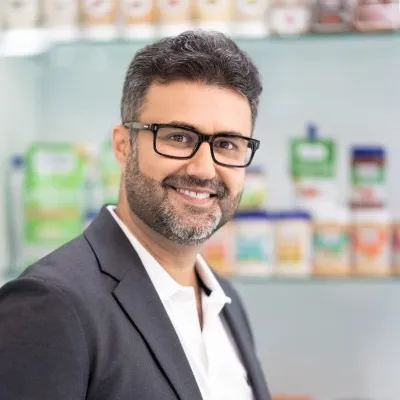
“Taste. Everything boils down to taste,” he says. “Healthy snacks will have to bridge the gap between health and taste. Taste is very, very critical.”
Abhishek Agarwal, co-founder of healthy-snacking brand Farmley, shares a similar view. Consumers increasingly want snacks that deliver functional benefits, but those benefits cannot come at the expense of enjoyment

“People are demanding protein. People are demanding more functional benefits. And you can’t give it without taste,” he says
Shail Pancholi, India country director at Wonderful Pistachios & Almonds, believes healthy-snack brands are fighting a much larger battle than product innovation alone
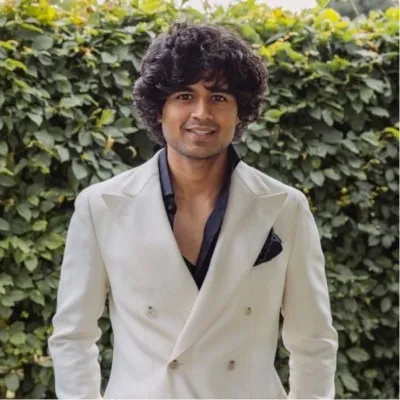
“The taste and the habit of naturally moving towards that samosa at 4 pm. It’s very deeply ingrained. You have memories, emotions associated with that habit,” he says
Pancholi argues that healthier alternatives are often competing against years of behavioural conditioning rather than rival products. While consumers may be educating themselves about protein and nutrition, replacing familiar snacking rituals remains difficult
The Wonderful Pistachios is a supplier of dry fruits to many of the category’s healthy snack brands
As awareness around healthier eating grows, consumers are increasingly faced with an abundance of options, from millet puffs and flavoured makhana to protein-rich snacks and nuts. But that variety can also create decision fatigue, making familiar and naturally tasty options easier to gravitate towards
For Korke, the distinction is simple. Health may drive trial, but taste drives repeat purchase
That dynamic has significant implications for marketers. Advertising can generate awareness. Packaging can encourage a first purchase. Influencers can spark curiosity
But none of those tools can compensate for a product that consumers do not want to buy again
Premiumisation fatigue or a value problem?
As healthy-snack brands chase growth, many find themselves walking a tightrope between better ingredients and affordable pricing
The challenge is hardly surprising. Protein-rich ingredients, nuts, dried fruits and functional formulations often cost more than conventional snack ingredients, making healthy alternatives inherently more expensive to produce
Farmley’s report suggests consumers remain willing to pay for better nutrition. Nearly 32% of respondents say they would pay a premium for protein-rich products, while close to 60% of parents are willing to spend more on healthier alternatives for their children
Yet willingness to pay has its limits
Agarwal believes affordability remains one of the category’s biggest unresolved challenges
“When you launch healthy snacking, you tend to use healthier ingredients which are obviously costly. That’s where the real innovation demand comes in. How can you make affordable, healthy snacking?” he says
The issue, however, may not be premiumisation itself
According to Korke, consumers are becoming more discerning about what they receive in exchange for paying more
“Consumers haven’t stopped wanting better products. They have simply stopped tolerating unjustified price premiums. There’s a meaningful difference between the two,” he says
He points to data from The Knowledge Company’s Indian Snack Market Analysis 2025, which found that 58% of consumers cite price as a barrier to healthy snacking
“But the operative word here is barrier, not dealbreaker,” Korke says. “What that data actually tells us is that if a brand can bridge the value gap through taste, product quality and consistent delivery, the premium becomes justifiable.”
For marketers, that distinction is important. Premium pricing alone is no longer a signal of quality. Brands must continuously demonstrate why they deserve a place in a consumer’s basket
Indian taste palatehealthy snacksHealthy snackingIndian healthy snacks
afaqs! CaseStudies : From early roots to everyday relevance. Explore the brand journeys.