


- News
- Health News
- Women over 30, especially mothers, face these 5 common health problems: Doctor says early prevention can make all the difference
Women over 30, especially mothers, face these 5 common health problems: Doctor says early prevention can make all the difference
Aadya Jha / TIMESOFINDIA.COM / Updated: Jul 12, 2026, 21:21 IST
AAText Size
- Small
- Medium
- Large
1/7
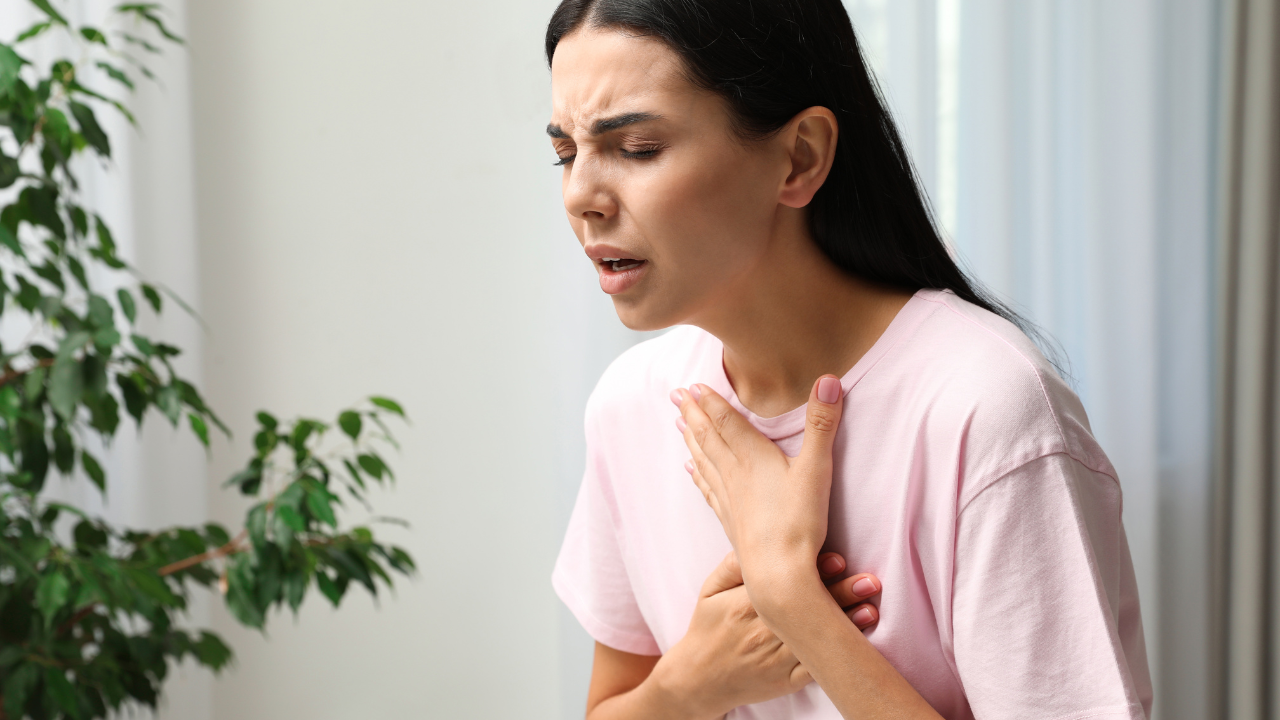
Common diseases mothers over 30 may experience
“It’s not enough to be busy; so are the ants. The question is: What are we busy about?” Benjamin Franklin’s famous words are a reminder that being constantly occupied doesn’t always mean taking care of what matters most.For many mothers, life after 30 becomes a balancing act. Careers, children, ageing parents, household responsibilities, and countless daily tasks often leave little room for self-care. A skipped breakfast here, postponed health check-up there, and months without proper exercise can slowly take a toll on the body.The 30s are also a time when hormonal shifts begin to influence metabolism, bone health, blood sugar, and heart health. While growing older is natural, many health problems that become common during this phase are not inevitable. They can often be delayed, or even prevented, with timely screening and healthy habits.”As women cross the age of 30, their body faces many changes in hormonal profile. They also deal with several lifestyle changes. Many mothers prioritise their family’s health over their own. Eating healthy, following a regular exercise routine, and managing stress can help prevent many diseases,” explained Dr Sushma K, Consultant Obstetrician and Gynecologist, Apollo Hospitals Sheshadripuram, Bangalore.According to the World Health Organization (WHO), non-communicable diseases such as diabetes, cardiovascular disease, and certain cancers account for the majority of deaths among women worldwide, making prevention and early detection increasingly important. Here are five health conditions that mothers over 30 should know about.
2/7
Thyroid disorders
The thyroid may be tiny, but it controls metabolism, energy production, body temperature, and even menstrual health. Problems with the thyroid can develop at any age, but doctors often see hypothyroidism becoming more common in women after 30.Dr Sushma K, said, “Though thyroid issues can crop up at any age, many women experience these problems after the age of 30. These could be hypothyroidism or hyperthyroidism. The most commonly seen is hypothyroidism. Thyroid hormones are vital components which help in controlling metabolism at all levels.”Common symptoms include:Unexplained weight gainConstant tirednessHair fallIrregular periodsFeeling unusually coldOne reason thyroid disorders can go unnoticed is that many symptoms resemble everyday fatigue or stress.How to reduce the riskInclude iodine-rich foods if recommended.Stay physically active.Do not ignore persistent fatigue.Get thyroid function tests during routine health check-ups, especially if symptoms appear.Take prescribed medication regularly if diagnosed.

3/7
PCOS: More than irregular periods
Polycystic Ovary Syndrome (PCOS) is one of the most common hormonal disorders affecting women during their reproductive years. It doesn’t only affect fertility; it can also influence long-term metabolic health.The doctor explained, “Polycystic Ovarian Syndrome is a common hormonal condition seen after adolescence and most commonly during the reproductive years. Higher than normal androgen levels lead to irregular menstrual periods, anovulation, infertility, acne, and excess facial and body hair.”Women with PCOS are also more likely to develop:Type 2 diabetesObesityHigh blood pressureHeart diseaseMany women assume irregular periods are simply part of a busy lifestyle. But persistent menstrual changes deserve medical attention.What can help?“There is currently no cure for PCOS, but lifestyle changes, medications, and fertility treatment can reduce symptoms and improve fertility,” said Dr Sushma.Healthy body weight, regular exercise, balanced meals, and adequate sleep often improve insulin sensitivity and hormone balance.The National Institutes of Health (NIH) notes that lifestyle modification remains one of the first-line approaches for managing PCOS.
4/7
Diabetes: Pregnancy can change future risk
Many women gain weight after pregnancy while juggling childcare, work, and limited time for themselves. Combined with poor sleep and reduced physical activity, this can raise diabetes risk.”Most women after 30 and postpartum gain a lot of weight and are at higher risk of developing diabetes. Lack of exercise, unhealthy eating habits, obesity, gestational diabetes, and family history increase the chances,” the doctor said.Warning signs include:Constant thirstFrequent urinationTirednessUnexplained weight lossWomen who had gestational diabetes during pregnancy have a significantly higher chance of developing Type 2 diabetes later in life.Ways to prevent diabetesEat balanced meals rich in fibre.Cut down on sugary drinks and processed foods.Exercise for at least 30 minutes most days.Maintain a healthy body weight.Manage stress.Get blood sugar checked regularly, particularly after gestational diabetes.
5/7
High blood pressure: The silent condition many women don’t notice
High blood pressure often develops quietly. There may be no symptoms for years, which is why it is often called a “silent killer.”Stress, lack of sleep, obesity, unhealthy eating habits, and inactivity all contribute to rising blood pressure.”If high blood pressure is not treated, it can lead to heart disease, stroke and kidney problems. Women balancing work and family responsibilities are at risk of stress-related high blood pressure,” the doctor explained.Simple steps that protect the heartReduce salt intake.Eat fewer packaged and processed foods.Walk, cycle, practise yoga, or choose another enjoyable physical activity.Get 7-8 hours of sleep.Practise relaxation techniques such as meditation or deep breathing.Avoid smoking and limit alcohol.Check blood pressure regularly after turning 30.
6/7
Weak bones today can mean fractures tomorrow
Bone loss begins gradually, often without noticeable symptoms. Pregnancy, breastfeeding, calcium deficiency, hormonal changes, indoor lifestyles, and Vitamin D deficiency can all weaken bones over time.The doctor explained that women naturally begin losing bone density after 30, increasing the risk of osteoporosis later in life.Possible warning signs include:Frequent body achesMuscle weaknessJoint painFractures after minor fallsMany women dismiss these complaints as “normal tiredness,” but recurring aches deserve attention.Keeping bones healthyEat calcium-rich foods like milk, curd, cheese, ragi, sesame seeds, and green leafy vegetables.Spend some time in sunlight as advised by your doctor.Include strength-training exercises regularly.Ensure enough Vitamin D through diet or supplements if prescribed.Discuss bone density testing with a doctor if there are additional risk factors.The Office of Dietary Supplements, National Institutes of Health, provides detailed recommendations on calcium and Vitamin D intake for bone health.
7/7
Medical experts consulted
This article includes expert inputs shared with TOI Health by:Dr Sushma K, Consultant Obstetrician and Gynecologist, Apollo Hospitals Sheshadripuram, Bangalore.Inputs were used to explain the common health conditions women over 30, especially mothers, may face, along with practical tips that can help lower their risk and support long-term well-being
Follow Us On Social Media
