


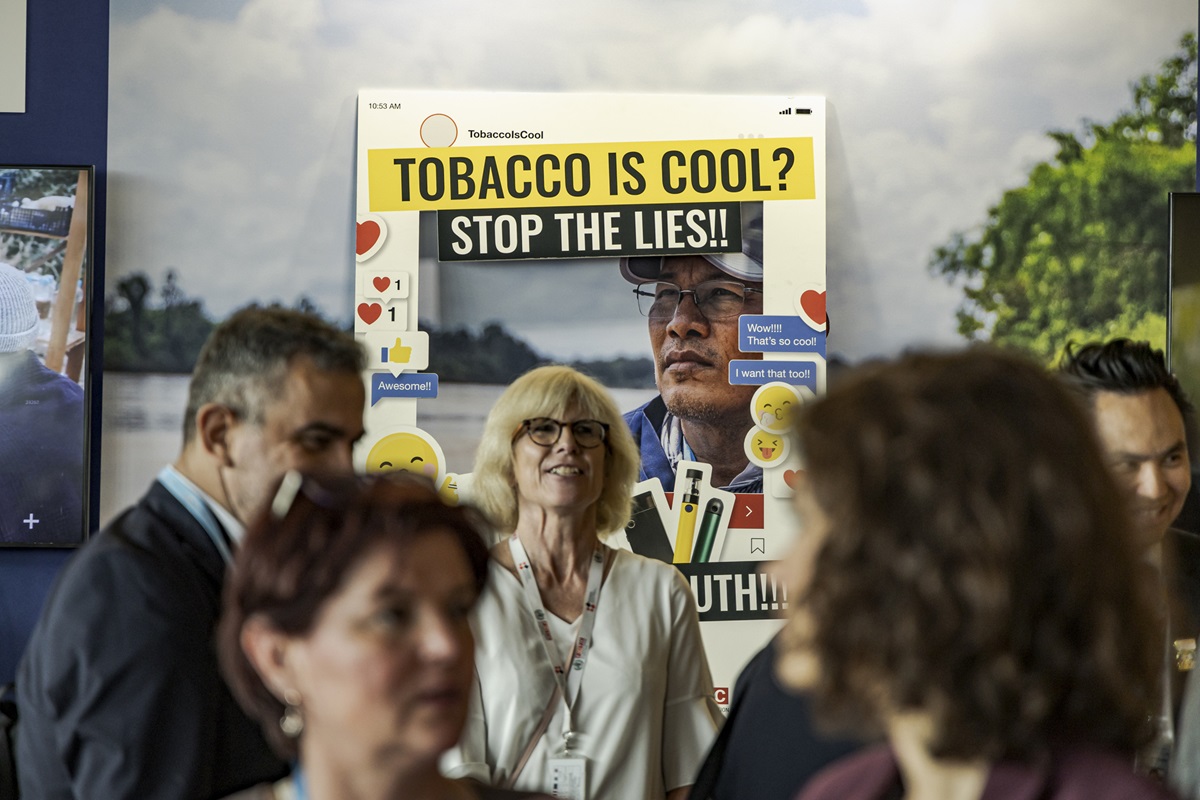
The World Health Organization (WHO) today announced the theme for World No Tobacco Day 2027: “Mental well-being – protecting young minds from tobacco and nicotine.” The campaign will raise awareness of the impact of tobacco and nicotine use on mental well-being, particularly among children and young people, and challenge misleading narratives that portray nicotine and tobacco products as a way to cope with stress, anxiety or the pressures of everyday life
The 2027 campaign will expose how tobacco and nicotine products are promoted alongside ideas of relaxation, stress relief and emotional well-being at a time when children and young people experience growing pressures on their mental health
As mental health, wellness and self-care become increasingly important to young people, tobacco and nicotine industries are seeking new ways to position themselves and their products within this space. Tobacco companies are expanding into businesses described as “well-being”, “wellness and health care” and “beyond nicotine”, similar to decades of tobacco industry marketing to associate tobacco and nicotine use with relaxation, pleasure and relief from stress. For young people navigating academic pressures, social media, relationships and uncertainty about the future, messages suggesting that nicotine can help them cope can be particularly powerful and misleading. Yet what may feel like temporary relief can lead to nicotine addiction. Withdrawal can cause irritability, anxiety and cravings, prompting repeated use simply to relieve those symptoms or other aggravated mental health symptoms.
Evidence shows that young people commonly report feeling anxious, stressed or depressed as a reason for using e-cigarettes. Nicotine exposure during adolescence can also affect the developing brain and is associated with nicotine dependence and negative mental health outcomes
Freedom from tobacco and nicotine can support better well-being. Evidence shows that quitting tobacco is associated with improvements in mental well-being, including reduced stress, anxiety and depressive symptoms, better sleep and improved quality of life. This is also relevant for athletes who may use nicotine for perceived short-term benefits such as increased alertness or improved performance. However, evidence of performance-enhancing effects is limited and inconsistent, while nicotine use can lead to addiction and adverse health effects.
The 2027 campaign will aim to:
- raise awareness of the links between tobacco and nicotine use, addiction and mental well-being, particularly among children and young people;
- counter misleading industry narratives that associate tobacco and nicotine products with stress relief, relaxation or emotional well-being;
- empower people with evidence-based information and evidence-based prevention strategies to protect their health and well-being;
- promote accessible and evidence-based tobacco and nicotine cessation and other relevant health services; and
- encourage governments and partners to strengthen policies and programmes that protect young people from tobacco and nicotine addiction and support those who want to quit.
Building on recent World No Tobacco Day campaigns focused on protecting young people from tobacco and nicotine industry tactics, World No Tobacco Day 2027 will place tobacco control within the broader effort to promote the health and well-being of younger generations. Protecting young minds means giving young people real tools to cope with stress and life’s pressures – not tobacco and nicotine products that can harm their health and lead to addiction. It also means extending evidence-based support to those who want to quit using tobacco and nicotine products.
WHO calls on governments, health professionals, educators, parents, youth organizations and civil society to challenge misconceptions about tobacco and nicotine, protect young people from industry influence and create environments that support both physical and mental well-being
Each year on 31 May, World No Tobacco Day brings together governments, health organizations, civil society and communities around the world to raise awareness of the harms caused by tobacco and nicotine and advocate for effective measures to protect health
