


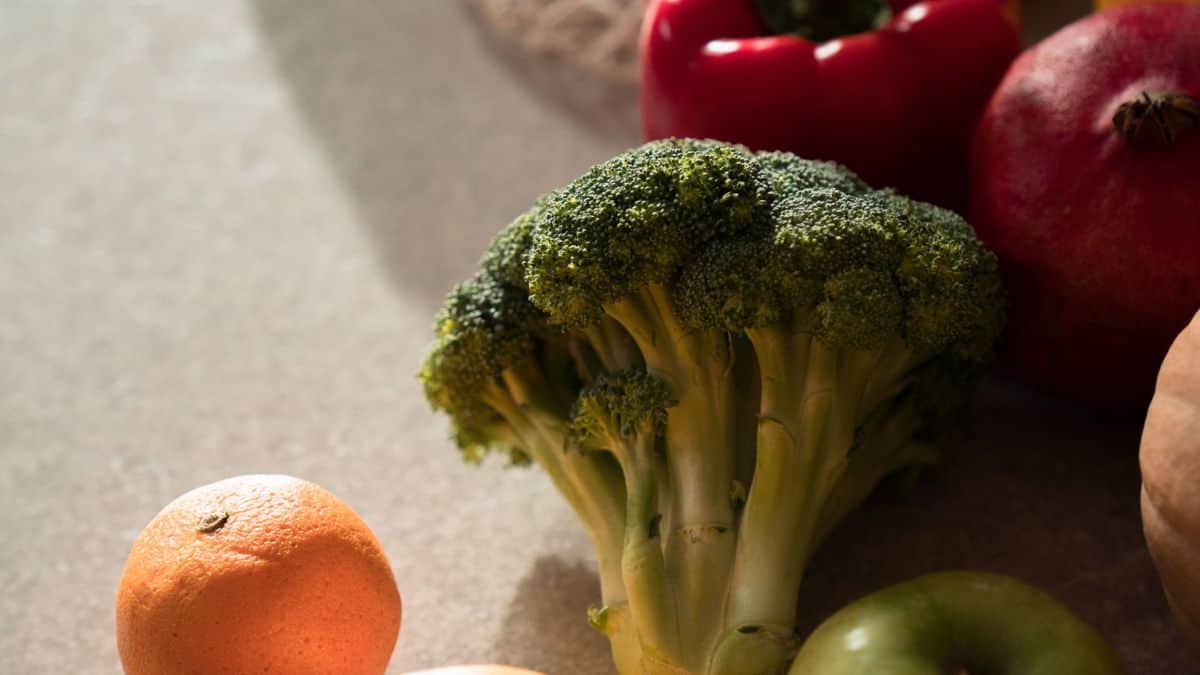
The monsoon does not just change the weather; it subtly changes how we eat
According to Dr Bhakti Samant, Chief Dietician at Kokilaben Dhirubhai Ambani Hospital, seasonal changes can influence food choices and habits, which may have an impact on gut health, immunity, and overall well-being
1. Monsoon cravings can affect nutrition
“The monsoon does not just change the weather; it subtly changes how we eat. We reach for fried snacks more often, swap healthy options for endless cups of tea, and let convenience win over balance,” shares Dr Samant
These habits may seem harmless, but they can have a cumulative effect on gut health, immunity, and overall well-being, making us more susceptible to illness at a time when the body is already fighting off more infections than usual
More from Lifestyle
Indian weddings are going smaller and further: One in four is now a destination wedding’The Odyssey’ and the great IMAX divide: 41 theatres worldwide, and a lot of confused ticket buyers
“One mistake that often goes unnoticed is swapping proper meals for convenience food. Grey skies and cooler air naturally make us crave fried snacks and refined carbohydrates. They are comforting in the moment, but low in protein and fibre. Keep this up for too long, and you will likely see blood sugar swings, less satiety, and weaker immunity,” she adds
Every meal should include a good proteinin supports tissue repair and helps the immune system function effectively
Quick Reads
View All
US pub are adding 20% tips to their bills. The FIFA World Cup 2026 is why
Leopard, tiger and cheetah seen together in India’s Ranthambore. Why it isn’t as rare as believed
2. Consuming raw foods during monsoon
This rainy season, it’s best to be cautious with raw food consumption
“There is also a common belief that raw food is automatically the healthier choice. But monsoon humidity makes leafy greens, sprouts, and cut fruits more prone to microbial contamination. Lightly cooking your vegetables is usually the safer bet, and it can even help your body absorb nutrients like beta-carotene better,” says the doctor
3. Avoiding fermented foods
“Fermented foods often get cut out, too, out of fear they will upset digestion. But fresh curd and buttermilk, made and stored hygienically, support a healthy gut microbiome,” mentions Dr Samant
She believes that since so much of our immunity lives in the gut, protecting it matters even more during infection-prone months
4. Having too much tea and coffee
According to Dr Samant, there is the tea and coffee habit that quietly creeps up
“Multiple cups a day can replace proper snacks, and drinking caffeine with meals can block iron absorption from plant foods, something women and teenagers, already prone to iron deficiency, should watch out for,” she states
5. Not focusing on balanced nutrition
The doctor urges people to focus on balance this season
“Monsoon eating is not about restriction or chasing superfoods. It is about staying mindful and balanced as the season shifts. Paying attention to protein, food safety, gut health, and key micronutrients goes a long way in keeping your defences strong. Often, it’s not the obvious slip-ups that hurt us; it’s the small, everyday habits we never stop to question,” says the expert
