


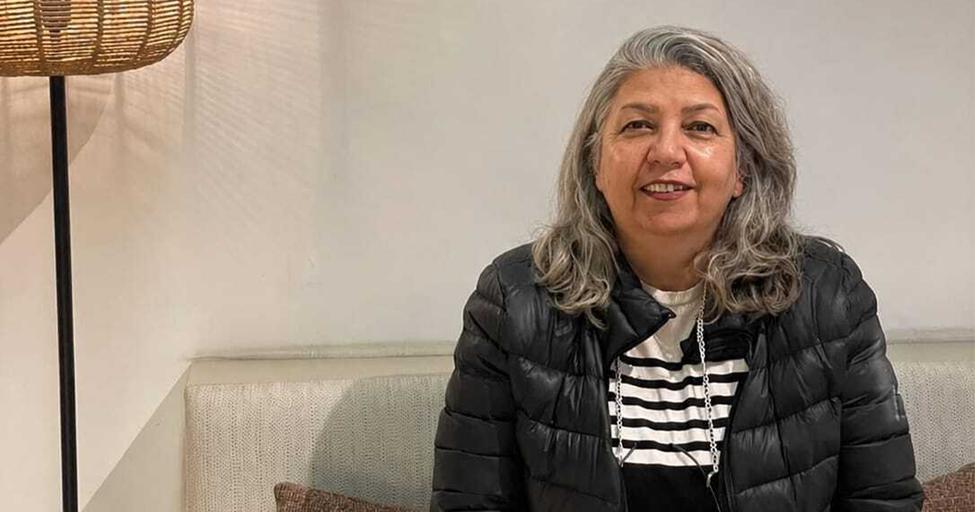
According to information received by IranWire, Neda Badakhsh, a 62-year-old Baha’i citizen, remains incarcerated in Dowlatabad Prison in Isfahan despite suffering from severe medical conditions, including diabetes, osteoarthritis, joint inflammation, chronic bone pain and sciatica
ical, yet prison authorities continue to ignore repeated requests for medical furlough or specialised care
Badakhsh surrendered herself to Dowlatabad Prison on December 27, 2025, to begin serving a five-year sentence. During her imprisonment, she developed sciatica, but despite experiencing acute pain and requiring urgent intervention, authorities have refused to transfer her to an outside medical facility
Now, nearly eight months into her sentence, her physical condition has deteriorated significantly. Despite repeated applications by Badakhsh and her family for electronic monitoring through an ankle bracelet, medical furlough or conditional release, all requests have been systematically rejected
Badakhsh was sentenced to five years in prison on charges of “educational and promotional activities against the sacred sharia of Islam”, stemming from her voluntary work teaching basic mathematics and the Persian language to out-of-school Afghan refugee children
Given her underlying health problems, she requires specialised medication that is unavailable within the prison facility. According to written directives from her specialist physician, she requires comprehensive medical check-ups and evaluations every three months
Despite these medical orders, she is currently denied the right to leave prison to consult specialists.ion, she was briefly sent to a hospital due to her failing health, but in the absence of a specialist, she was merely prescribed basic painkillers and acetaminophen – treatments that were completely inadequate for her chronic conditions and left her long-term health at grave risk
Furthermore, Dowlatabad Prison fails to implement the principle of separating prisoners according to crime categories, holding political prisoners and prisoners of conscience alongside general-population inmates in the same ward
