


Why can’t we end the HIV epidemic in the U.S.?
- Moderator: Michele Cohen Marill, independent journalist; AHCJ Board Secretary
- Demetre Daskalakis, M.D.,chief medical officer, Callen-Lorde Community Health Center; Former director, CDC National Center forImmunization and Respiratory Diseases
- Athena Cross, Dr.PH.,vice president and chief program officer, AIDS United
After major developments in treatment for HIV/AIDS in the mid-’90s reduced infection and death rates, media attention shifted away from the epidemic. But experts say they wish attention would return, as federal funding changes and deeper disparities in health care access cause many to go without life-saving treatment.
If we don’t change the present (approach to HIV/AIDS), I think we’re going to be put into a time machine back to the early ‘90s
Dr. Demetre DaskalakisFormer director, CDC National Center forImmunization and Respiratory Diseases
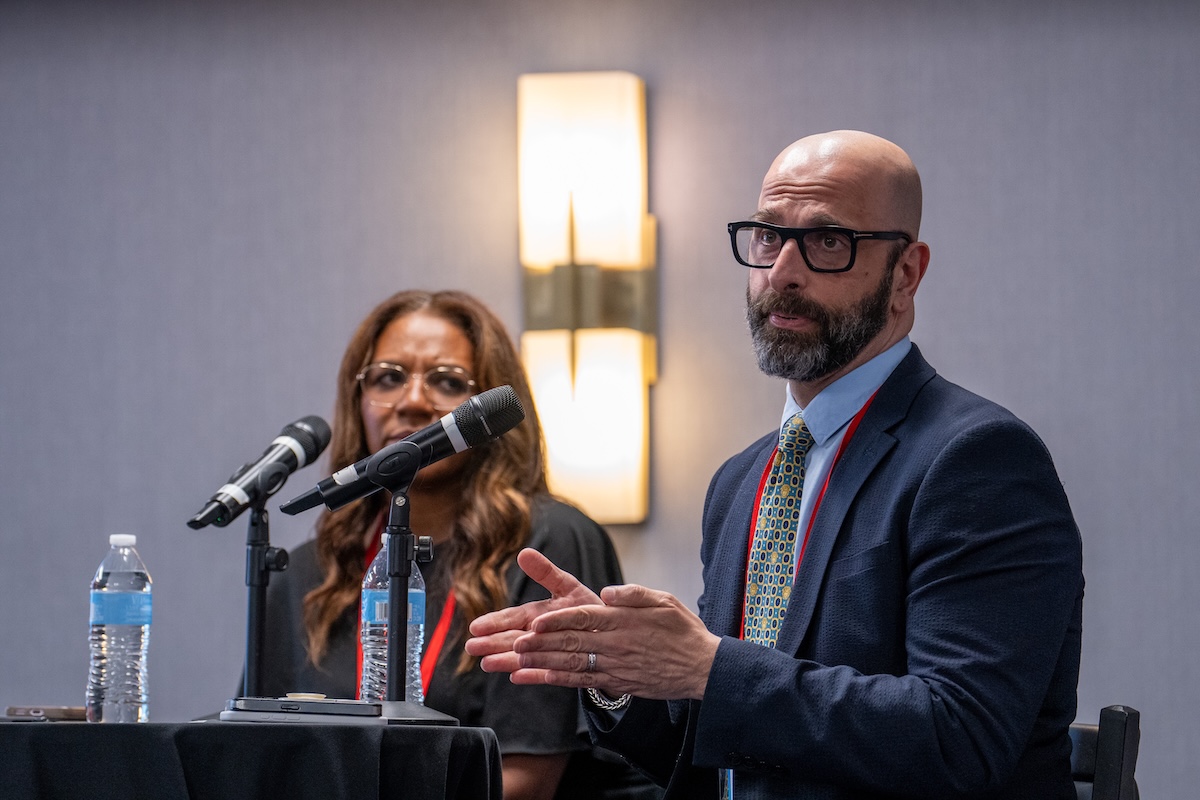
“If we don’t change the present, I think we’re going to be put into a time machine back to the early ‘90s,” Dr. Demetre Daskalakis, the former director of the CDC National Center for Immunization and Respiratory Diseases, said on a panel at Health Journalism 2026. He resigned from the department last fall and is presently chief medical officer for the Callen-Lorde Community Health Center in New York
About 4,500 people still die from AIDS every year in the United States. And while highly effective treatments for HIV/AIDS exist, access to them is changing.
President Trump announced he would end the AIDS epidemic in his first term and boosted research and treatment through funding. However, significant cuts were proposed this year and last to domestic HIV programs. Some of the cuts proposed last year were rolled back through lawsuits, but even in those cases, the process caused chaos for federal departments and health care providers.
Panelist Athena Cross, vice president and chief program officer at AIDS United, said the lack of consistency is a challenge in itself.
“The work that we’ve been doing over the last 10-15 years of investing in communities to lead their local fights against HIV is all being dismantled right now along with the entire healthcare infrastructure,” she said. “But this work in particular is being torn apart piece by piece.”
- Athena Cross, Dr.PH., speaks at HJ26 during the panel “Why can’t we end the HIV epidemic in the US?” Photo by Zachary Linhares
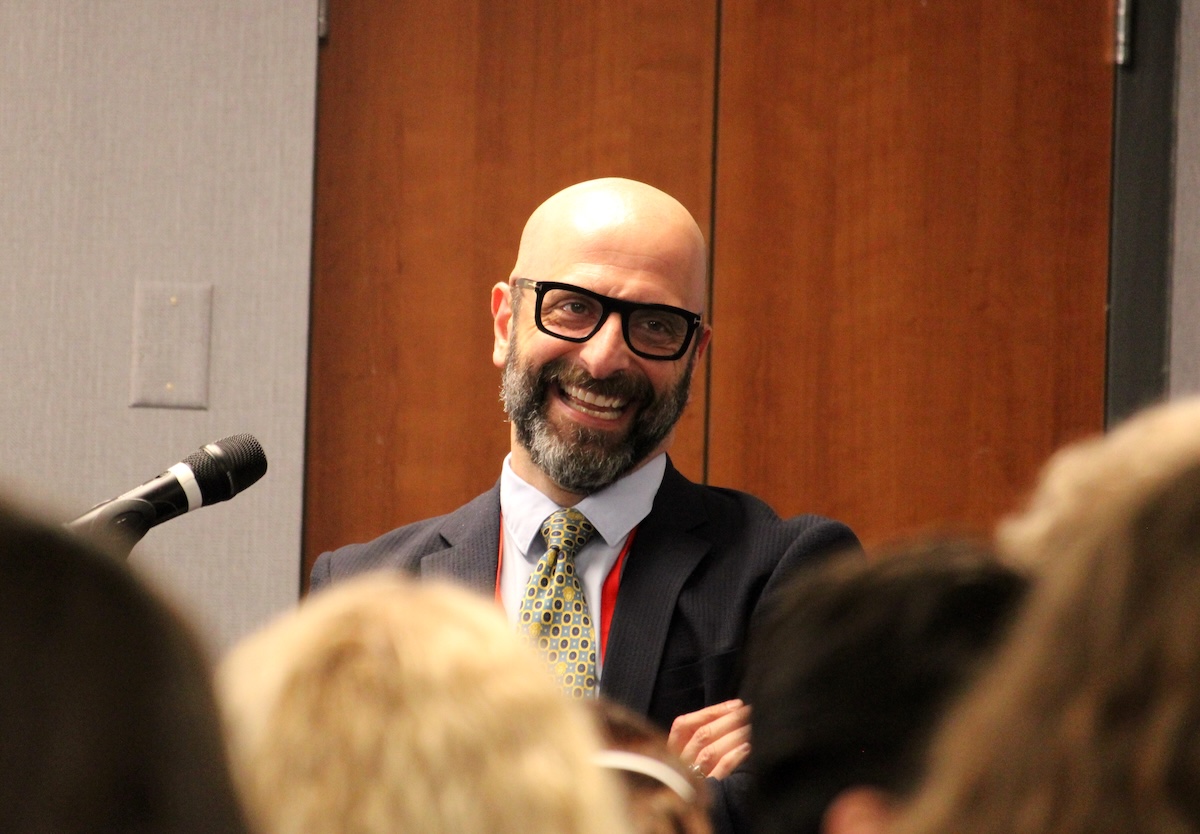
- HJ26 attendees. Photo by Zachary Linhares

Dr. Demetre Daskalakis at HJ26. Photo by Kevin Ridder
She said she is seeing that impact now on community health providers. Funding cuts are leading to reduced service hours and fewer staff, shrinking the benefits these providers can offer. “Ultimately the number of people who can access care and prevention is reduced and limited too,” she said.
Daskalakis and Cross also pointed to the changing demographics of HIV patients as a challenge to addressing the spread and lack of treatment for the disease. Black and Latino communities are overrepresented in new data on diagnoses. Both speakers said they see those numbers and the high rate of infection among gay men as reasons the administration would roadblock research and care, especially in light of its push to pull research funding and other support for projects that highlight diverse populations.
Both speakers said funding that comes from outside the federal government isn’t going to solve the issue. Donors are being called upon to fill gaps across various issues in the wake of significant federal funding cuts, as outlined in HR1 and other initiatives of the Trump administration.
And many do not grasp the risk for HIV patients.
“I [speak] to funders in this space who will say to me that they do not fund HIV because it is not an issue anymore,” Cross said. “We’ve already solved that problem.”
That heightens the need for journalists to bring more attention back to the disease and access to treatment for it, Daskalakis and Cross said
