


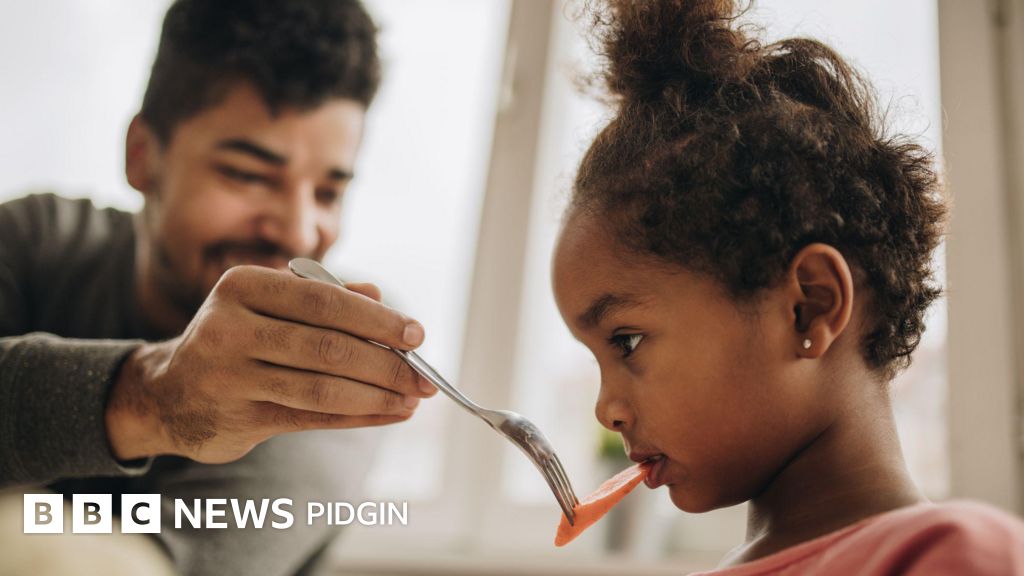
Six ways to make small pikin eat vegetables, according to science
Wia dis foto come from
- Author,Melissa Hogenboom*
- Role,BBC Future
- Publishedone hour wey don pass
- Read am in 7 mins
Getting children to eat enof vegetables fit be a constant struggle. Parenting forums and chat rooms dey full of questions like, “e dey normal for my pikin to only eat beige foods?”
One reason na say dia preference for sweet foods dey start very early. Even breast milk contains natural sugars wey dey make am taste quite sweet. Once dem start to eat solid foods, to get dem to eat a piece of broccoli or a spoonful of spinach fit dey tricky
But children need difere -different diet with plenty of fruits and vegetables. Poor nutrition dey affect cognition, concentration, behavior, and even academic performance. Childhood obesity dey on di rise, and e dey associated with long-term health problems, as well as poorer educational outcomes
Fortunately for parents, researchers don dey look for new ways to improve children eating habits and dem don find some innovative solutions. Here na six simple tins wey science say you fit try at home
1. Frequent exposure
Wia dis foto come from
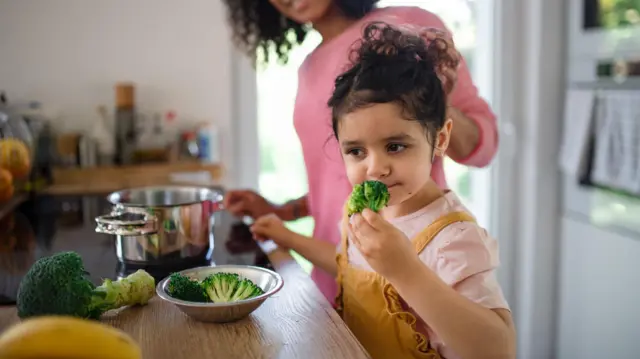
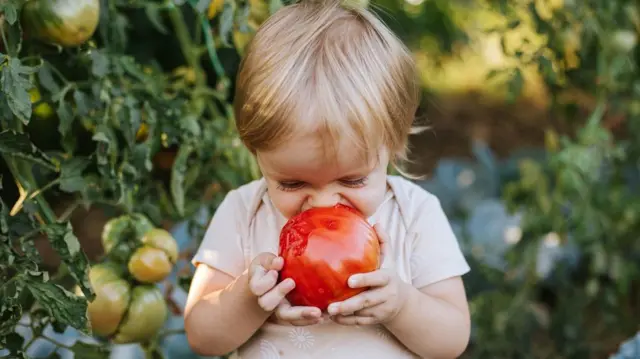
Giving young children di widest possible variety of vegetables during early childhood—and doing so frequently—fit make a big difference, na so Marion Hetherington, a professor of biopsychology for di University of Leeds for di UK tok
Di most effective time to increase a child liking for vegetables na during di preschool years
“If you no start to increase children exposure to vegetables bifor di age of five, e already dey too late,” Hetherington tok. Studies don show say children often need to dey exposed to a food several times bifor dem go accept am
However, di evidence dey vary regarding di exact number of times a food fit dey offered bifor dem go accept am. Estimates range from five to fifteen exposures. (Dis likely dey reflect di fact say evri child dey different.)
Skip Di one wey oda users dey read well well and continue reading

Nigerian Army narrate how dem rescue Oyo kidnap victims, President Tinubu reveal dose behind di abduction
Ghana extradite socialite Abu Trica to US to face $8m fraud charges
How Interpol arrest 5,800 suspects, intercept $293 million for global fraud bust
How much Nigerian soldiers dey earn compared to oda African kontris




Nevertheless, infants under one year old go fit need fewer exposures dan preschoolers (ages 3 to 4), wey often dey exhibit higher levels of food neophobia, or no dey like to try new foods
And dis process fit begin even bifor dem born di pikin. Evidence dey wey show say wetin di mother chop dey transmitted to di fetus through di amniotic fluid and fit influence di baby food preferences
2. Vegetables first
To telling children say one food dey good for them fit backfire. Dem dey more likely to choose foods described as “tasty” dan di ones presented as “healthy.”
Instead of insisting on dis, e beta to think about which time during di meal you go offer vegetables. Serving dem at di beginning of di meal, wen di children dey di hungriest, go increase di likelihood say dem go eat am
“Children tend to eat wetin dem like best first,” Hetherington explain. “And by di time dem get to di peas, dem no want am anymore.” Diafor, e dey helpful to remove any competition with oda, more calorie-dense foods
Encouraging di consumption of vegetables bifor oda foods also dey help to prevent children from overeating, na so Barbara Rolls, a professor of nutritional sciences for Pennsylvania State University tok
And although vegetables no typically be part of breakfast for Western diets, e no get any reason why dem no fit eat am first thing in di morning. You fit try to add mushrooms and spinach to an omelet, or zucchini to breakfast muffins
For one 2023 trial for eight childcare centers in di UK, researchers find say children eat vegetables at breakfast more dan 60% of di time wey dem offer am to dem
Wia dis foto come from
3. Di portions
If adding vegetables to breakfast or bifor meals dey unrealistic, anoda strategy na simply to adjust food proportions: reduce di amount of high-calorie foods and increase di vegetables
You fit achieve dis by increasing di amount of vegetables you serve as a side dish or by adding grated vegetables, such as carrots and zucchini, into sauces and oda dishes
Dis strategy fit dey effective becos studies don show say pipo dey consume a similar volume of food but increase dia vegetable intake wen di ratios of meat to vegetables dey modified
E don also dey observed say increasing di amount of fruits and vegetables on di pikin plate by 50% dey increase di amount dem consume of dis foods
Oda research don show say preschool children dey eat more vegetables and fewer unhealthy foods wen dem get a choice of different types of vegetables at mealtimes
Wia dis foto come from
4. Appearance mata
To change how a child dey see di food dem dey eat fit also dey beneficial
E dey important to remember say wetin we wan eat largely start with wetin we see. Wen faced with several options, children tend to go towards foods wey dey more familiar and visually appealing
Dis mean say adjusting di presentation of food fit help children eat more vegetables
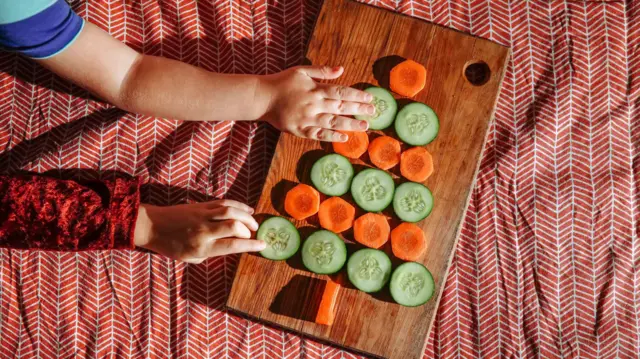
A team of researchers discover say children dey more likely to try new foods wen dem present am artistically on di plate. Oda research show say children consume more fruits and vegetables wen dem cut am into eye-catching shapes, such as butterflies, flowers, or teddy bears, and dis show say making healthy foods look fun dey increase dia appeal
Making healthy foods more visible and easily accessible also show say e dey promote dia consumption
Children between di ages of 10 and 13 tend to eat and choose more vegetables wen dem present am togeda in a single container and already portioned, rather dan wen dem serve am for different plates. Dem also find say preschool children consume 36% more vegetables wen e be part of a plate wey get different foods served in different compartments
Wia dis foto come from
5. Eat togeda
Wetin parents dey eat dey play a crucial role in wetin children consider normal in dia diet. If parents consume unhealthy snacks, dia children dey more likely to do di same. If parents frequently eat fast food or skip breakfast, dem dey more likely to get children wey go adopt those same habits
A study dem conduct with school-aged children for New Zealand find say children of parents with healthier diets consume fewer cakes, chocolates, and salty snacks. Similarly, children wey dia parents regularly model healthy eating habits tend to enjoy fruits and vegetables more
Eating togeda at least three times a week dey associated wit a healthier body weight, better eating patterns, and a greater likelihood of adopting healthy eating habits if parents do so
A longitudinal study also find say those wey dey eat togeda as a family get beta levels of physical fitness and consume fewer sugary drinks
Wia dis foto come from
6. Hacerlo divertido
Much of wetin we eat dey determined by our relationship with food
Researchers warn say pressuring children to eat certain foods fit make dem no enjoy di food and e go lead dem to adopt a less healthy diet
Similarly, rewarding dem with sweets or unhealthy foods fit increase dia preference for those types of products
But, according to one study, simply allowing children to play with food fit help reduce food neophobia—dat na di fear or reluctance to try new foods
Researchers dey encourage children to touch, smell, and closely observe ingredients such as beets, chickpeas, and bok choy (Chinese cabbage), without expecting dem to taste am. As a result, di children dey more open to unfamiliar ingredients and more willing to try dem later
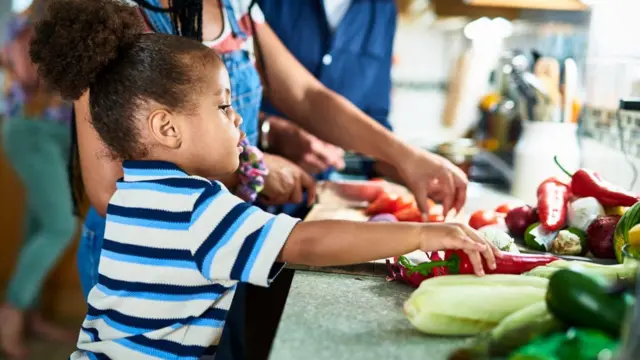
Encouraging children to participate in food preparation also increase dia desire to eat foods wey no dey familiar to dem. Experimental chef Jozef Youssef, wey join bodi on di study, say di key na to rethink how children dey experience food
“Dia is sometin about turning eating into a game and including sensory activities wey dey work really well with kids,” e explain. “Wen dem dey for a relaxed, easygoing, and pressure-free environment, children dey much more willing to play around with dia food, taste am, and experiment with different tins.”
With a bit of luck, all of dis fit help your child end up eating sometin oda than beige-colored food
*Melissa Hogenboom na senior health correspondent for di BBC and di author of di books Breadwinners and The Motherhood Complex. You fit find her on Instagram as @melissa_hogenboom
