


How next-generation obesity drugs will shape public health
- Moderator: Elaine Chen, National Biotech Reporter at STAT
- Stacie Dustezina, Ph.D., Professor of Healthy Policy and an Ingram professor of cancer research at Vanderbilt University School of Medicine
- Bill Dietz, M.D.,Director, STOP Obesity Alliance, George Washington University
- Randy Seeley, M.D.,H.K Ransom Professor of Surgery, Internal Medicine and Nutritional Science at the University of Michigan, and Director of the Michigan Nutrition Obesity Research Center
GLP-1s are challenging how clinicians and society think about obesity, but weight stigma remains prevalent, said a panel of experts at Health Journalism 2026 in Minneapolis.
Weight-related bias is happening regularly at the doctor’s office, said Bill Dietz, the director of the STOP Obesity Alliance at George Washington University. “About 50% of providers think obesity is a consequence of adverse behaviors,” Dietz said
Randy Seeley, a professor of surgery, internal medicine and nutritional science and director of the Michigan Nutrition Obesity Research Center, said that many still see weight status as a personal failure rather than seeing obesity as a disease. “Patients still accept the idea that this is still their fault,” Seeley said
Dietz says addressing the weight stigma could start by changing how we talk about GLP-1s. “I think we can begin by calling these obesity drugs, not weight loss drugs.” He also emphasized the importance of using the phrasing “people with obesity” rather than “obese people.”
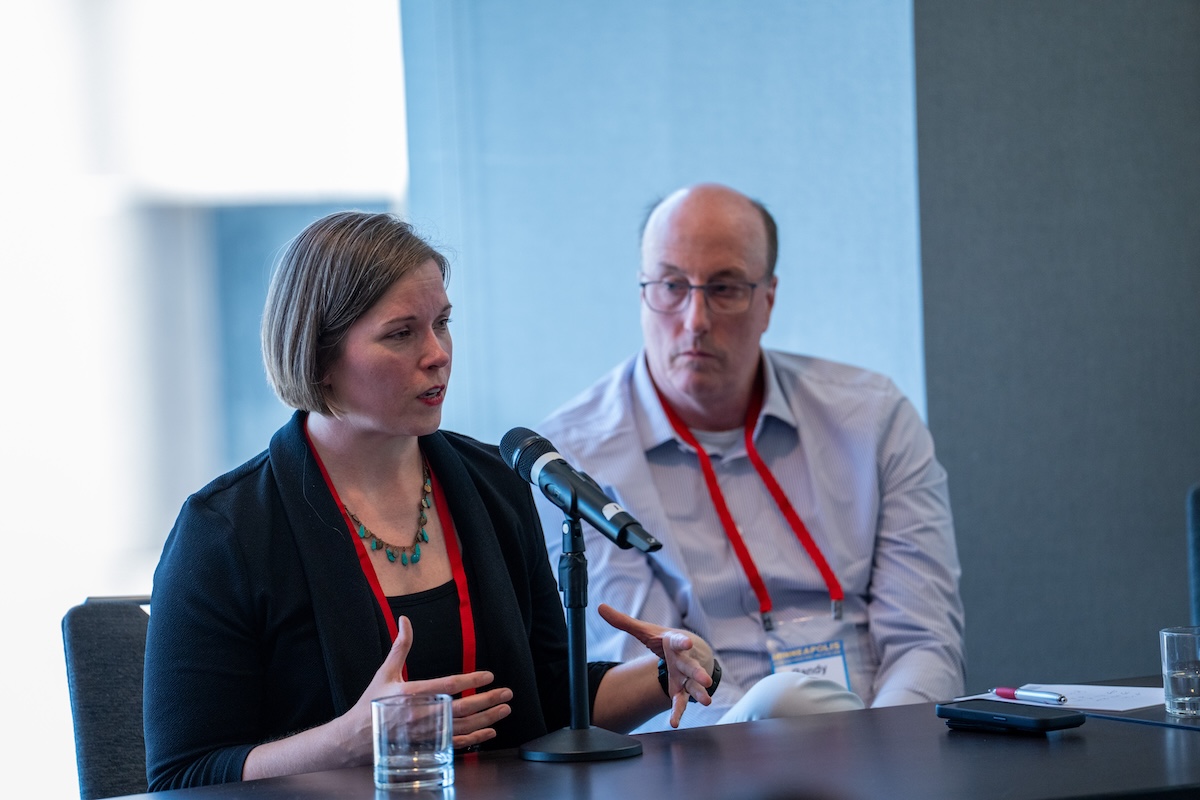
- HJ26 panelists at the session “How next-generation obesity drugs will shape public health.” From left to right: Elaine Chen, Stacie Dusetzina, Randy Seeley, and Bill Dietz. Photo by Zachary Linhares
- STAT’s Elaine Chen moderates the HJ26 session “How next-generation obesity drugs will shape public health.” Photo by Zachary Linhares
- Stacie Dusetzina, Ph.D., speaks at HJ26. Photo by Zachary Linhares
- Randy Seeley, M.D., speaks about next generation obesity drugs at HJ26. Photo by Zachary Linhares
- Bill Dietz, M.D., Ph.D., speaks at HJ26 about obesity drugs. Photo by Zachary Linhares
Another problem is that these drugs remain inaccessible due to their high price point
Weight loss drugs “are an option for those who have hundreds of dollars a month to spend on weight loss drugs,” Stacie Dustezina, a professor of health policy and cancer research at Vanderbilt University School of Medicine, said. “This could drive up disparities.”
That could change for those on Medicare in the future. Although not currently covered by Medicare, the Centers for Medicare & Medicaid Services will start temporarily covering the drugs under a pilot program starting in Julywith a co-pay of approximately $50 a month. The program would be available to beneficiaries who are not already eligible for GLP-1 coverage.
Seeley noted this class of drugs “has been around for over 20 years” and has a proven safety record.
Although primarily used for weight loss, GLP-1s could cause many longer-term positive health impacts, he added. “It’s not just about weight; it’s about things that we care about in their long-term health,” he said. “But weight loss is what drives behavior.”
Tess Terrible is a Senior Producer at Connecticut Public Radio, an NPR affiliate.
