

Close Menu
healthylife7.comhealthylife7.com

    Subscribe to Updates

    Get the latest creative news from FooBar about art, design and business.

    What's Hot

    Tokyo Lifestyle net income slumps despite 77.6% revenue surge

    July 15, 2026

    Rare diseases are much more common than the name suggests: they affect about 13 million Brazilians and 300 million people worldwide, in a universe of up to 8,000 different diseases, almost all of genetic origin.

    July 15, 2026

    A Liquid Graft for Every Wound: How AddGraft Is Building a Durable Solution in Rare Disease and Beyond

    July 15, 2026
    Facebook X (Twitter) Instagram
    Trending
    • Tokyo Lifestyle net income slumps despite 77.6% revenue surge
    • Rare diseases are much more common than the name suggests: they affect about 13 million Brazilians and 300 million people worldwide, in a universe of up to 8,000 different diseases, almost all of genetic origin.
    • A Liquid Graft for Every Wound: How AddGraft Is Building a Durable Solution in Rare Disease and Beyond
    • Ban junk food advertising to tackle multi
    • 62-Year-Old Rock Star Rejects Popular Gym Peptides & Proves Aging Is Just a Number
    • Dr. Maya Rosman recommends this summer fruit
    • Making Strides in Cardiac Healthcare at Zydus Hospitals, Gujarat
    • How often should you move your body?
    Facebook X (Twitter) Instagram
    healthylife7.comhealthylife7.com
    • Home
    • Fitness
    • Health
    • Nutrition
    • Lifestyle
    • Conditions
    • Mental Health
    • Weight Loss
    • Wellness Tips
    Wednesday, July 15
    healthylife7.comhealthylife7.com
    Home»Lifestyle»A nutritious way to reduce the risk of fibroids
    Lifestyle

    A nutritious way to reduce the risk of fibroids

    healthylife7By healthylife7July 15, 2026No Comments4 Mins Read
    Facebook Twitter Pinterest LinkedIn Tumblr Reddit WhatsApp Email
    A nutritious way to reduce the risk of fibroids
    Share
    Facebook Twitter LinkedIn Pinterest WhatsApp Email

    Updated on: 15 Jul 2026, 1:00 am

    Uterine fibroids are the most common non-cancerous tumours affecting women during their reproductive years. While many women experience no symptoms, others may suffer from heavy menstrual bleeding, painful periods, pelvic pain, anaemia, infertility, or recurrent pregnancy loss. Traditionally, treatment has focused on managing symptoms through medications or surgery. However, emerging research suggests that nutrition and lifestyle may play an important role in reducing the risk of developing fibroids and supporting overall reproductive health.

    The LIFE UP framework — Lifestyle Interventions, Food Modifications, and Environmental Practices — aims to empower women with practical, evidence-based strategies for uterine fibroid prevention. These recommendations focus on reducing inflammation, supporting hormone balance, and minimising exposure to environmental toxins

    Diet quality has a significant influence on hormonal health. Diets rich in processed foods, refined carbohydrates, sugary beverages, and unhealthy fats have been associated with a higher risk of fibroids, likely due to increased inflammation and oxidative stress. In contrast, a whole-food dietary pattern can offer protective benefits

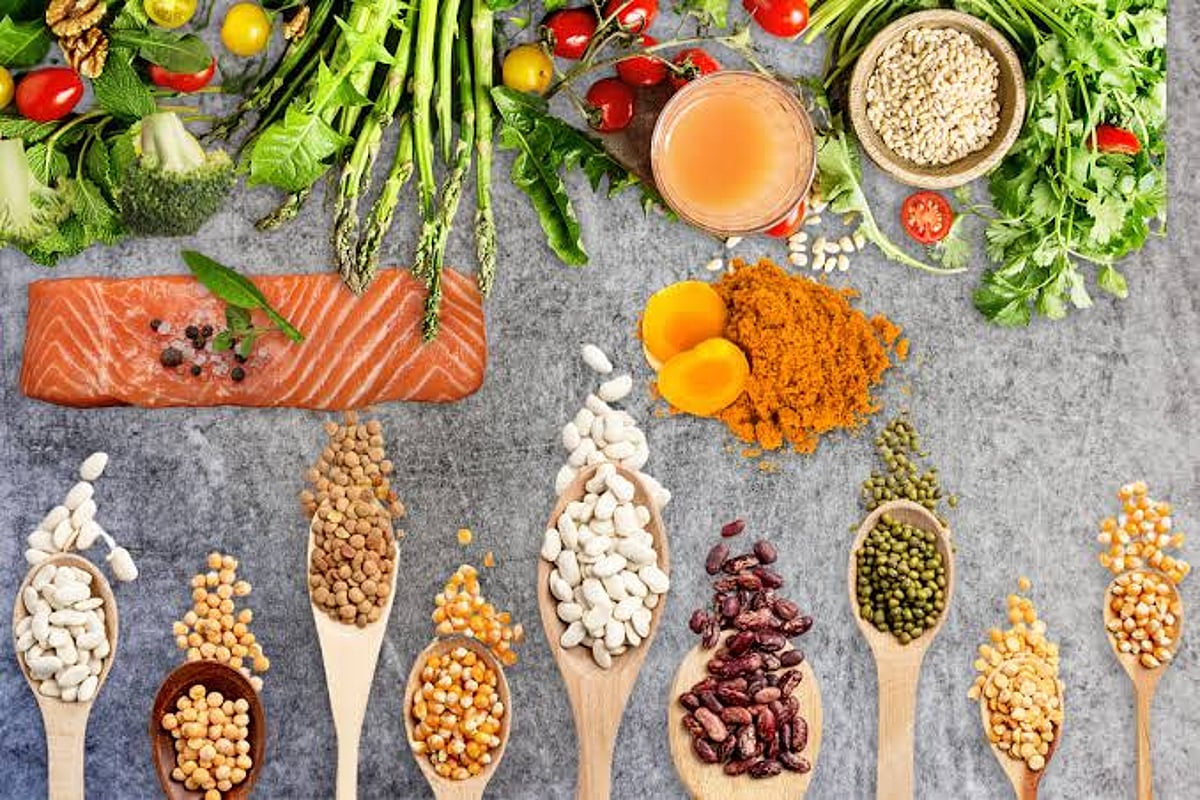
    Aim to include plenty of colourful fruits and vegetables every day. Leafy greens, broccoli, cauliflower, carrots, sweet potatoes, and bell peppers provide antioxidants, fiber, and phytonutrients that support healthy estrogen metabolism. Cruciferous vegetables are particularly beneficial because they contain compounds that help the body process excess estrogen

    Fruits such as berries, citrus fruits, apples, kiwi, and pineapple are rich in antioxidants that combat oxidative stress. Laboratory studies even suggest that strawberries may reduce fibrosis-related changes in fibroid cells, although more human research is needed

    Prioritise healthy proteins and fats

    Omega-3 fatty acids found in salmon, sardines, mackerel, flaxseeds, chia seeds, and walnuts help reduce inflammation and may lower fibroid risk. Lean proteins such as skinless chicken, turkey, eggs, legumes, and pulses provide essential amino acids without the higher saturated fat content found in red meat. Limiting frequent consumption of red meat and high-fat dairy, as these foods may contribute to inflammation and hormonal imbalance when consumed in excess

    Don’t overlook vitamin D

    Vitamin D has emerged as one of the most promising nutrients in fibroid research. Women with vitamin D deficiency appear to have a greater risk of developing uterine fibroids. Vitamin D receptors are present in uterine tissue, and research shows that adequate vitamin D may help slow fibroid growth by regulating cell proliferation and inflammation. Maintaining healthy vitamin D levels through sensible sun exposure, food sources, or supplementation under medical guidance may therefore be beneficial.

    Support gut and liver health

    Efficient liver and gut function are essential for metabolising hormones and eliminating toxins from the body. A fibre-rich diet containing vegetables, fruits, legumes, and whole grains supports regular bowel movements and healthy estrogen clearance. Staying hydrated and maintaining a healthy gut microbiome further contribute to hormonal balance

    Lifestyle matters too

    Nutrition works best when combined with healthy lifestyle habits. Regular physical activity, maintaining a healthy body weight, managing stress, and limiting alcohol intake all contribute to lower inflammation and improved hormonal regulation. Chronic stress has been associated with a higher risk of fibroids, making sleep, relaxation, and stress-management practices equally important

    Reduce exposure to endocrine disruptors

    Environmental chemicals known as endocrine-disrupting chemicals (EDCs), particularly phthalates found in plastics, cosmetics, fragrances, and food packaging, may interfere with hormone function. Practical steps such as choosing fresh foods, avoiding microwaving plastic containers, using glass or stainless-steel storage, selecting fragrance-free personal care products, and increasing dietary fiber may help reduce exposure and support the body’s natural detoxification processes

    Although no single food can prevent uterine fibroids, current evidence suggests that a nutrient-dense, anti-inflammatory dietary pattern combined with regular exercise, adequate vitamin D, stress management, and reduced exposure to environmental toxins may help lower risk and promote reproductive health. These lifestyle strategies not only support uterine health but also improve overall metabolic and cardiovascular well-being, making them valuable long-term investments in women’s health

    Follow The New Indian Express channel on WhatsApp 

    Download the TNIE app to stay with us and follow the latest

    nutrition
    nutriwise

    fibroids Nutritious reduce risk
    healthylife7
    • Website

    Related Posts

    Tokyo Lifestyle net income slumps despite 77.6% revenue surge

    July 15, 2026

    How often should you move your body?

    July 15, 2026

    2026 Hell on Wheels Rodeo: Final Two Performances Ahead

    July 15, 2026
    Leave A Reply Cancel Reply

    Health
    Lifestyle

    Tokyo Lifestyle net income slumps despite 77.6% revenue surge

    By healthylife7July 15, 20260

    Tokyo Lifestyle, the Japanese beauty and lifestyle retailer formerly known as Yoshitsu, posted a 77.6% year-on-year rise in revenue to $373.2m for the fiscal year ended 31 March 2026

    Rare diseases are much more common than the name suggests: they affect about 13 million Brazilians and 300 million people worldwide, in a universe of up to 8,000 different diseases, almost all of genetic origin.

    July 15, 2026

    A Liquid Graft for Every Wound: How AddGraft Is Building a Durable Solution in Rare Disease and Beyond

    July 15, 2026

    Ban junk food advertising to tackle multi

    July 15, 2026
    Stay In Touch
    • Facebook
    • Twitter
    • Pinterest
    • Instagram
    • YouTube
    • Vimeo
    Fitness

    Opinion: The FDA must put biotech at its center or continue to cede early research to China

    July 6, 2026

    Inside Elevance’s digital chronic disease management strategy

    July 6, 2026

    Best, Worst States For Well

    July 6, 2026

    What do the Middle Ages tell us about mental health then and now? VCU historian Leigh Ann Craig has answers

    July 6, 2026

    Subscribe to Updates

    Get the latest creative news from SmartMag about art & design.

    About Us

    Welcome to HealthyLife7.com, your trusted source for reliable health, wellness, fitness, and lifestyle information. Our mission is to help people make informed decisions about their health by providing clear, practical, and easy-to-understand content.

    At HealthyLife7.com, we believe that good health starts with the right knowledge. Whether you're looking for healthy eating tips, fitness advice, mental wellness strategies, weight management guidance, or information about common health conditions, our goal is to deliver valuable content that supports a healthier lifestyle.

    Fitness

    Tokyo Lifestyle net income slumps despite 77.6% revenue surge

    July 15, 2026

    Rare diseases are much more common than the name suggests: they affect about 13 million Brazilians and 300 million people worldwide, in a universe of up to 8,000 different diseases, almost all of genetic origin.

    July 15, 2026

    A Liquid Graft for Every Wound: How AddGraft Is Building a Durable Solution in Rare Disease and Beyond

    July 15, 2026
    Health

    Opinion: The FDA must put biotech at its center or continue to cede early research to China

    July 6, 2026

    Inside Elevance’s digital chronic disease management strategy

    July 6, 2026

    Best, Worst States For Well

    July 6, 2026
    Facebook X (Twitter) Instagram Pinterest
    • About Us
    • Contact us
    • Disclaimer
    • Privacy Policy
    • Terms and Conditions
    © 2026 healthylife7.com. Designed by Pro.

    Type above and press Enter to search. Press Esc to cancel.