


ByHollie Silverman and Amanda Castro
Newsweek is a Trust Project member
See more of our trusted coverage when you search.to see more of our trusted coverage when you search.
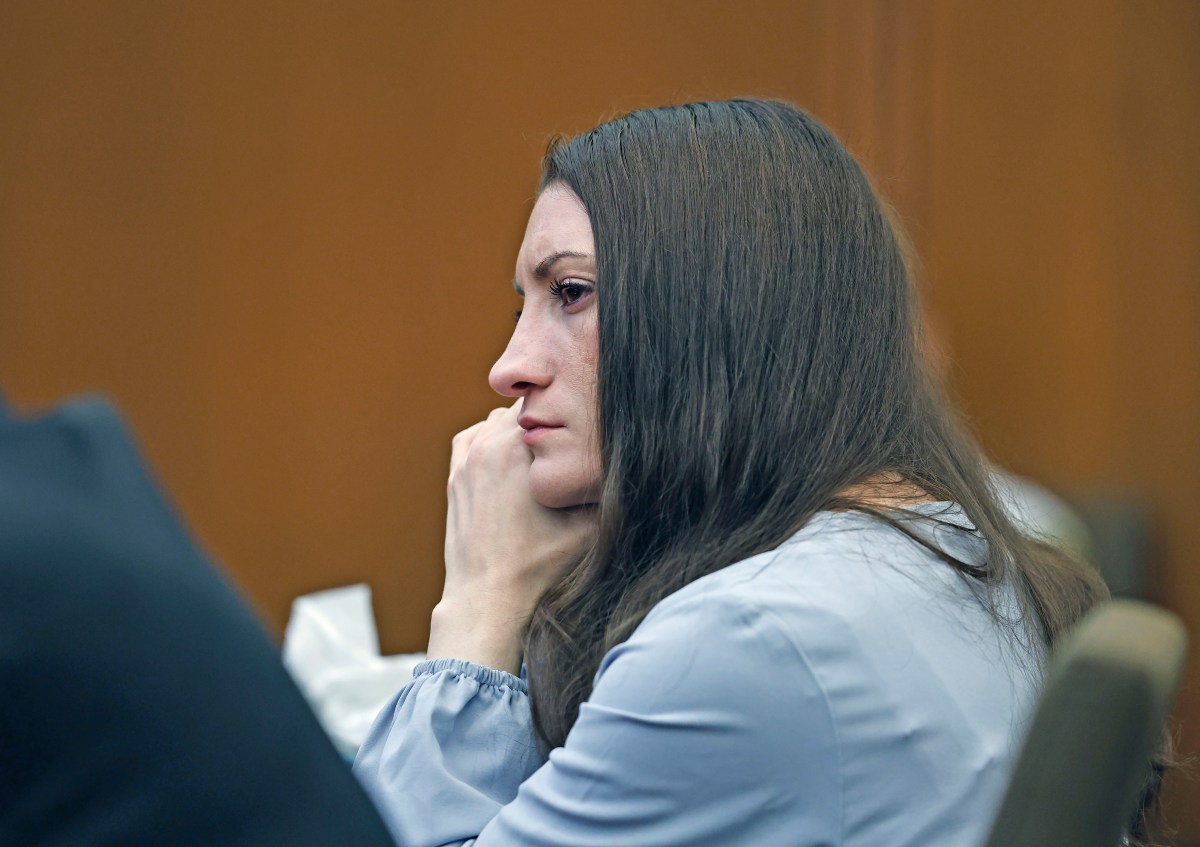
As jurors deliberate in the murder trial of Massachusetts motherLindsay Clancy, comparisons to one of the most notorious maternal filicide cases in American history have intensified
Twenty-five years afterAndrea Yatesdrowned her five childrenin Texas and was ultimately found not guilty by reason of insanity, Clancy’s case is reigniting debate over how the legal system responds when severe mental illness and violent crime intersect
Both women were accused of killing their children amid allegations of serious psychiatric illness. Yet the cases reflect vastly different eras in how postpartum mental health is understood, diagnosed and treated, raising questions about whether greater awareness translates into better outcomes for families in crisis
“I was in training with Dr. Resnick when he testified in the Andrea Yates case and I attended the trial with him. I think now, with social media and live-streaming of the trial, more people are hearing about the case, and the nuances of postpartum mental illness,” Susan Hatters-Friedman, the Phillip J. Resnick Professor of Forensic Psychiatry at the Case Western Reserve University School of Medicine and adjunct professor at the university’s School of Law told Newsweek
Yates’ case helped transform public awareness of postpartum psychosis and severe maternal mental illness in the early 2000s. Since then, medical understanding of postpartum psychiatric disorders has expanded significantly, and mental health professionals say mothers today are more likely to be screened and treated than they were a generation ago
Yet Clancy’s case has highlighted a lingering question: If warning signs are recognized and treatment is available, can tragedies still occur despite intervention?
The answer could influence not only the jury’s verdict but also how courts, doctors and policymakers approach severe psychiatric illness in parents
…
Similar Cases, Different Eras
The similarities between the two cases are striking. Both involve mothers accused of killing their children while family members and experts pointed to serious mental health conditions
But Jamie Rosen, partner and chair of Meister Seelig & Schuster’s Mental Health Law Group, told Newsweek the cases ultimately reflect two different failures within the mental health system
“The comparisons between Lindsay Clancy and Andrea Yates are inevitable,” Rosen said in an emailed statement Saturday. “Both cases force the public to confront the devastating consequences of severe mental illness. But they are also products of very different eras.”
Rosen noted that when Yates killed her children in 2001, public awareness of postpartum psychiatric disorders was far more limited
“Twenty-five years ago, public understanding of postpartum mental illness was limited, conversations about maternal mental health were less common, and families often struggled to find information and treatment,” he said. “Since Yates, there has been substantial growth in public awareness of postpartum psychiatric disorders and greater recognition that these illnesses can be medical crises.”
Hatters-Friedman said postpartum psychosis usually presents within weeks of a woman giving birth and early symptoms can be subtle. They include insomnia, mood fluctuation and irritability, which can occur in lots of women postpartum who don’t ever develop postpartum psychosis
…
How Andrea Yates and Lindsay Clancy Differ
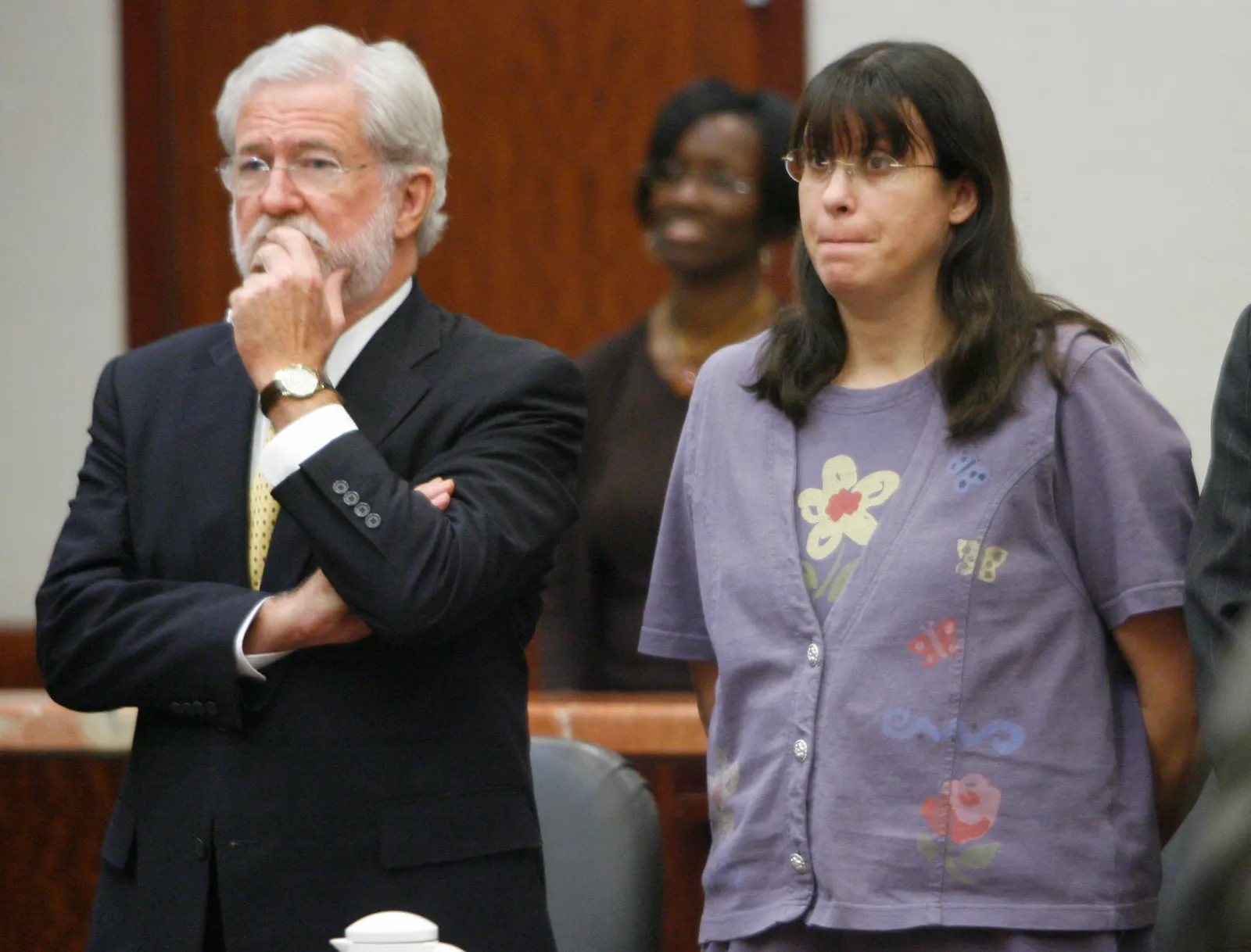
Mental health experts often point to Yates’ extensive psychiatric history before the killings
According to court records and years of reporting on the case, Yates experienced severe postpartum psychosis, multiple psychiatric hospitalizations, suicide attempts and worsening delusions before she drowned her five children in the family bathtub in Houston in 2001
Rosen said those warning signs were well documented
“The Yates case represents a failure to recognize the severity of psychiatric illness,” he said. “The warning signs were extensive and well-documented, including prior hospitalizations, suicide attempts, and worsening psychotic symptoms.”
“The Clancy case represents the limits of what our current system can do even after illness is recognized,” he said
The distinction is significant because defense attorneys in the Clancy case have argued that her mental illness impaired her ability to understand the nature or wrongfulness of her actions, while prosecutors contend she was criminally responsible
…
The Challenge of Intervention
Rosen said progress in mental health awareness has not solved one of the system’s most persistent problems: determining when authorities should intervene
“The lesson, however, is that greater recognition must be matched by effective, early intervention, better access to treatment, and stronger support systems for struggling mothers and their families,” he said
He explained that families and doctors often recognize psychiatric deterioration before legal standards allow involuntary intervention
“The law today remains largely reactive,” Rosen said. “Mental health laws generally require specific evidence that statutory criteria for intervention have been met, whether that means danger to self, danger to others, inability to care for oneself, or other legally defined standards.”
As a result, families and providers may see warning signs but still lack legal authority to mandate higher levels of treatment or supervision
Hatters-Friedman said the initial presentation of postpartum psychosis is generally considered an emergency and a medical workup is important to ensuring the correct diagnosis. A diagnosis should then result in a short-term psychiatric admission for treatment
“Then when the symptoms are improved and the risk is decreased, careful planning for release back home with close follow-up,” Hatters-Friedman said
…
What Could Happen to Clancy?
If jurors accept arguments that Clancy was suffering from a mental disease or defect severe enough to satisfy Massachusetts’ legal standard for lack of criminal responsibility, she could be found not guilty by reason of insanity and committed to a psychiatric facility rather than prison
Jurors could also convict on some or all charges if they conclude prosecutors proved she understood the nature and wrongfulness of her actions
Mental health experts caution that predicting verdicts in insanity-defense cases is difficult because juries must weigh competing psychiatric testimony alongside evidence of planning, behavior before and after the alleged crimes, and legal definitions of criminal responsibility
Where Is Andrea Yates Now?
After initially being convicted of capital murder in 2002, Yates received a new trial when questions arose about testimony presented during the original proceedings
At her 2006 retrial, a jury found Yates not guilty by reason of insanity. She was committed to a state mental health facility in Texas, where she remains under court supervision
Her case continues to be cited by psychiatrists, legal scholars and advocates as one of the most significant examples of postpartum psychosis in modern American legal history

…
Twenty-Five Years Later
For Rosen, the enduring link between the two cases is not simply the question of guilt or innocence but what they reveal about the challenges of treating severe psychiatric illness before tragedy occurs
“The last 25 years have brought greater awareness, better treatment options, and more legal options,” he said. “But the law still struggles with the same fundamental challenge: identifying who is truly at risk and intervening early enough to prevent catastrophe while respecting individual rights.”
As the Clancy jury weighs its decision, that unresolved tension remains at the heart of a case that has renewed national debate about mental illness, motherhood and criminal responsibility
Contact Newsweek editors on this story: Samantha Beech and Jenni Fink
Request Reprint & Licensing
View Editorial & AI Guidelines
