


Goodlife
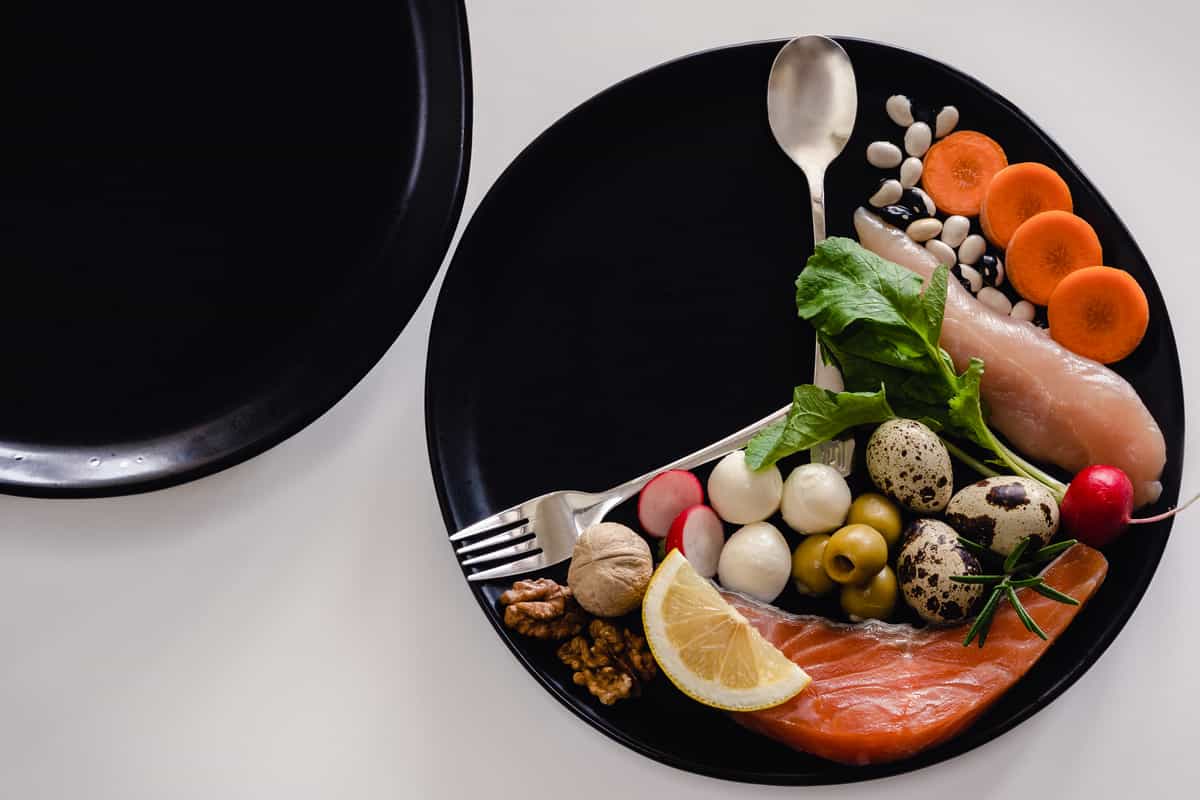
Use circadian fasting to match your cycle with your body clock for the best results
It’s 9.40p.m. The dishes are done, the TV is on, and somehow a bowl of mixed nuts has appeared in your lap. Followed, 10 minutes later, by two squares of dark chocolate “because it’s basically healthy”. Followed, 10 minutes after that, by the last cup of chai of the day, because why not, the day’s over.
None of this feels like a decision. It feels like Tuesday.
And here is the thing I want to tell every client who walks into my practice convinced that intermittent fasting is the answer to everything: it isn’t about how long you starve yourself. It’s about when you feed yourself.
Half of Calcutta, it seems, is currently “doing 16:8”. I hear it in consultations, at parties, in WhatsApp forwards from well-meaning aunts. And I’m delighted people are thinking about food timing at all, that’s genuine progress. But when I dig a little deeper, the picture is rarely as clean as the Instagram graphic promised.
The 16:8 Trap I See Every Single Week
Ask any of my clients doing intermittent fasting what their eight-hour window actually is, and a strange pattern emerges. It’s almost never 7 a.m. to 3 p.m. It’s almost always somewhere in the noon-to-8-p.m. zone, or worse.
Here’s how that day usually plays out. Breakfast: skipped, proudly. Lunch: a sad desk salad, eaten while replying to emails. Mid-afternoon: three cups of coffee standing in for actual food. And then -7, 8, sometimes 9 p.m. – the floodgates open. Dinner becomes a full production. Rice, dal, sabzi, maybe some chicken, and because you’ve been “so disciplined all day,” dessert feels earned.
Technically, that person has fasted for 16 hours. Gold star, well done.
But their body just spent the entire productive part of the day running on fumes, and then received a full day’s worth of food in a three-hour window right before bed. That is not the metabolic magic they signed up for.
Your Liver Doesn’t Read Instagram
Here’s something I wish more people understood: your body isn’t a blank machine that treats 8a.m. and 11p.m. identically. You have an internal clock, and so, it turns out, does your liver, your pancreas, your gut. By day, your body is primed to handle food efficiently. By night, it’s winding things down, preparing for rest, not for a rice-and-dal marathon.
Eat late, and you’re essentially asking a tired night-shift worker to suddenly process a banquet.
This isn’t fringe theory anymore, either. A major 2026 review pooling 41 clinical trials and over 2,000 participants found that when it comes to time-restricted eating, earlier windows consistently outperformed later ones on several fronts, including body weight and fasting insulin levels.
Translation: it’s not just whether you fast. It’s when you don’t.
The Real Fix Isn’t Another Rule: It’s Rebalancing Your Day
I promise this isn’t going to be another list of things to give up. Quite the opposite.
Front-load your day. Your body handles food best when the sun is up and you’re moving. Eat like it.
Make lunch the star, not the intermission. A proper plate of protein, vegetables, whole grains keeps you from arriving home at 8p.m. ravenous enough to eat the tablecloth.
Let dinner be the smaller sibling, not the main event. It doesn’t have to be modest because it’s a punishment, it’s modest because your body is preparing to switch off, not switch on.
Close the kitchen with intention. Try to have your last bite two to three hours before you sleep. Not because of some arbitrary number, but because digestion and deep sleep don’t share a bed well.
And be honest about hunger versus habit. That 9.30p.m. nut bowl? Nine times out of 10, it isn’t hunger. It’s the television being on and the kitchen being three metres away.
A Word On Coffee, Because Someone Always Asks
Yes, black coffee has next to no calories, so it “fits” your fasting window on paper. But if that 6p.m. flat white is the reason you’re staring at the ceiling at midnight, it’s quietly undoing the very thing you’re trying to fix. Good nutrition and good sleep aren’t separate projects. They’re the same project.
This Isn’t A Cult. Relax A Little
None of this means panicking if Saturday’s family dinner runs till 10.30, or refusing Sunday brunch because it starts at noon. One late meal changes nothing. Health is built by your pattern, not policed by your worst evening
The goal is simple, and honestly a bit boring: make earlier, calmer eating your default — not your punishment.
Who Should Sit This One Out
Fasting isn’t for everyone, and no columnist worth their salt should pretend otherwise. If you’re pregnant or breastfeeding, still growing up, have a history of disordered eating, or are on medication that can drop your blood sugar, this isn’t your experiment to run solo. Anyone managing diabetes, especially on insulin, should loop in their doctor before shifting meal timings. And if fasting ever leaves you shaky, dizzy or obsessively thinking about food, that’s your body handing you a very clear no.
The One Line Worth Remembering
Intermittent fasting asks: How long can I go without eating?
Circadian eating asks: Am I eating in step with my own body clock?
You don’t need a countdown app. You don’t need to survive on black coffee till 1p.m. You need to eat properly while the sun’s up, keep dinner light and early, and then, genuinely let the kitchen close.
Your body already knows what time it is.
It would just like you to start listening
Picture: istock

Priyanka Shah is a clinical nutritionist
