


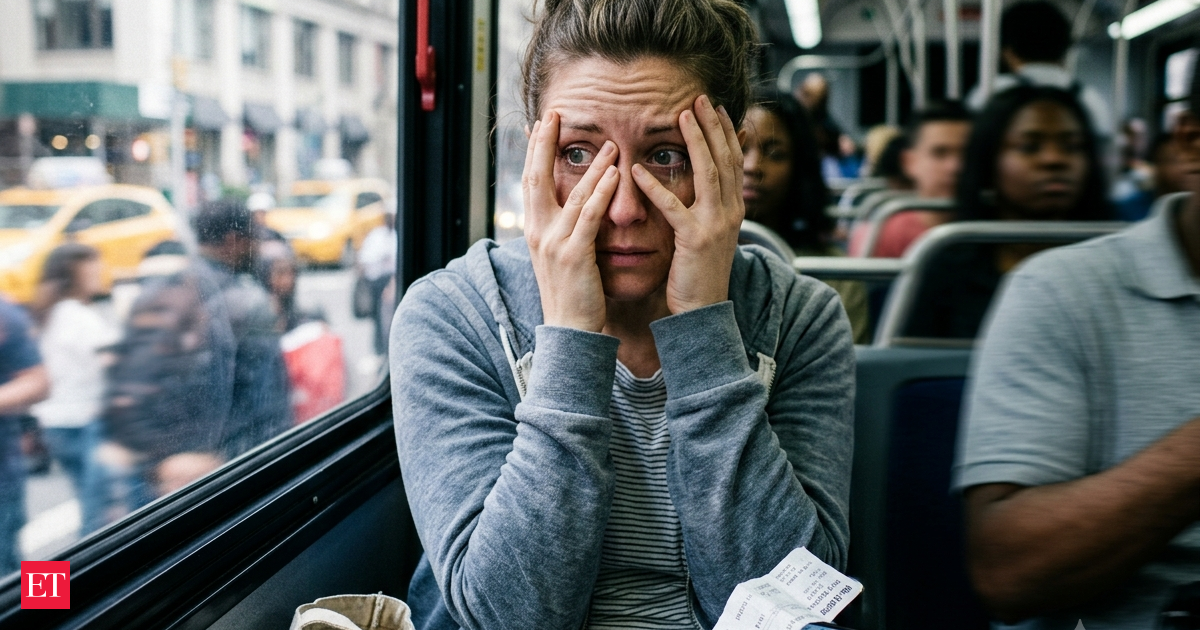
Psychology says people who panic a lot in everyday lifearen’t necessarily less capable than others. Many people experience panic during situations that seem ordinary to someone else. This reaction is often connected to how the brain processes stress, uncertainty, and possible danger. Psychology explains that panic is not always a sign of weakness. It can result from learned experiences, personality, biology, and environmental factors. Understanding the reason behind this behaviour helps reduce misunderstanding. It also encourages people to develop better ways to manage stress instead of judging themselves or others for reacting strongly during difficult moments.
Looking beyond the panic
Many people panic over deadlines, unexpected phone calls, financial concerns, family problems, traffic delays, or sudden changes in plans. Some also feel overwhelmed when making decisions or speaking in public.People often assume that those who panic easily cannot handle pressure. Psychology offers a different explanation. Panic is usually a response to how the brain interprets a situation. If the brain believes there is danger, it prepares the body to react quickly. This reaction can happen even when there is no real physical threat. The brain may respond to emotional stress in the same way it reacts to physical danger.Some common signs of panic include:
- Rapid heartbeat
- Fast breathing
- Sweating
- Shaking
- Feeling restless
- Trouble concentrating
- Racing thoughts
- Feeling a loss of control
You Might Also Like:

Psychology says people who are scared of cockroaches, bugs or house lizard aren’t weak: What this behavior means, the psychology behind it, and what studies explain
These reactions are natural body responses. They are not always a sign that someone lacks strength or ability.
Psychology says people who panic a lot in everyday life aren’t always incapable of coping
Psychology explains that panic often develops because the brain tries to protect the person from possible harm. Sometimes that protection system becomes overactive. People who panic frequently may notice risks faster than others. They may think through many possible outcomes before making decisions. Although this can increase worry, it can also make them careful planners in some situations.The important point is that panic reflects how someone processes stress. It does not automatically define their personality, intelligence, or ability. Different people react differently because everyone has unique life experiences, thinking patterns, and stress tolerance.
What Psychology says?
Psychologists explain that panic is closely connected with the body’s fight-or-flight response. This biological response prepares people to face danger or escape from it. When the brain detects a possible threat, it sends signals that release stress hormones such as adrenaline. Heart rate increases, breathing becomes faster, and muscles prepare for action.You Might Also Like:

Psychology says people who make payments, fill forms or do any other thing on the last day aren’t simply lazy: What this behavior may reveal?
This response helped humans survive dangerous situations throughout history. Today, however, the same response can be triggered by work pressure, financial problems, social situations, examinations, or uncertainty, even though these situations do not require physical escape. Psychology therefore views panic as an automatic survival mechanism rather than a personal failure.
What does this mean?
Frequent panic does not always mean someone is unable to solve problems. Instead, it suggests that the person’s stress response becomes activated quickly.This may happen because of:
- Previous difficult experiences
- High sensitivity to uncertainty
- Constant stress
- Heavy responsibilities
- Negative thinking patterns
- Lack of rest
- Emotional overload
Understanding these factors helps people focus on improving coping skills instead of blaming themselves.
Why is it done?
The brain constantly scans the environment for possible threats. Sometimes it identifies danger accurately. At other times, it becomes overly cautious and reacts even when the situation is safe. From a psychological perspective, this process exists to improve survival. It encourages quick reactions before danger becomes serious.Although this response was useful during human evolution, modern life presents many emotional challenges that can activate the same survival system repeatedly. As a result, everyday situations may sometimes feel much larger than they actually are.
Which psychology theory explains this behaviour?
Several psychological theories help explain why some people panic more often than others. One of the most widely accepted explanations is Cognitive Theory, developed by psychiatrist Dr. Aaron T. Beck. The theory suggests that thoughts influence emotions and behaviour. People who expect negative outcomes or interpret situations as dangerous are more likely to experience panic. The event itself may not cause the panic. Instead, the person’s interpretation of the event triggers the response.Another explanation comes from Classical Conditioning, first described by Ivan Pavlov. If someone has experienced a stressful event in a particular situation, the brain may later connect similar situations with danger. Even when no real threat exists, the body may respond with panic because it has learned that association.The Fight-or-Flight Theory, introduced by physiologist Walter Cannon, also explains this behaviour. According to this theory, the body automatically prepares to face or escape danger. Although this response helped humans survive physical threats, modern stressors such as deadlines, exams, financial concerns, or social situations can activate the same biological system.Together, these theories explain that panic is often the result of automatic mental and physical processes rather than personal weakness.
This psychology study says
Research has consistently shown that panic is linked to the way people interpret stressful situations. One well-known study by Dr. David M. Clark, published in the journal Behaviour Research and Therapy, examined how catastrophic thinking contributes to panic attacks. The research found that many people experiencing panic tend to misinterpret normal physical sensations, such as a fast heartbeat or shortness of breath, as signs of immediate danger. This interpretation increases fear and intensifies panic.Researchers studied individuals who experienced panic attacks and compared their thinking patterns with those of people who did not. The findings showed that changing these patterns through cognitive therapy helped reduce panic symptoms over time. Many later studies have supported these findings, showing that understanding and changing thought patterns can improve how people respond to stressful situations.
The principle behind it
The main psychological principle is that thoughts, emotions, physical reactions, and behaviour influence one another. When someone believes that something bad is about to happen, the brain activates the body’s stress response.The body reacts by increasing heart rate, breathing faster, and preparing muscles for action. The person notices these physical changes and may believe the situation is becoming even more dangerous.This creates a cycle:
- A stressful situation appears.
- The brain interprets it as a threat.
- The body activates the stress response.
- Physical symptoms increase.
- Fear becomes stronger.
- Panic grows further.
Breaking this cycle often starts with recognising that physical symptoms are part of the body’s normal response to stress.
What to learn from it?
Understanding panic can help people respond differently when stress appears.Some useful lessons include:
- Panic does not always reflect reality.
- The brain sometimes overestimates danger.
- Slowing breathing can reduce physical symptoms.
- Preparing for stressful situations builds confidence.
- Healthy sleep supports emotional regulation.
- Regular physical activity helps lower stress.
- Talking about worries can reduce emotional pressure.
- Mindfulness and relaxation techniques can improve emotional control.
- Professional support may help if panic becomes frequent or interferes with daily life.
Learning these strategies allows people to manage panic instead of feeling controlled by it.
Life lessons from the behaviour
People who panic easily should not be judged based only on their reactions during stressful moments. Their behaviour may reflect how their brain has learned to respond to uncertainty rather than a lack of courage. This understanding also reminds us to treat others with patience. Many people are managing pressures that are not visible to those around them. Recognising the psychological reasons behind panic encourages better communication, stronger relationships, and healthier ways of handling stress.Over time, people can strengthen coping skills, challenge negative thinking, and become more confident in difficult situations. Psychology suggests that growth comes from understanding our responses rather than criticising them. Panic may feel overwhelming, but it does not define a person’s ability, intelligence, or future. With awareness, practice, and support when needed, many people learn to respond to everyday challenges with greater balance and control.Add 
as a Reliable and Trusted News Source

Add Now!
(You can now subscribe to our Economic Times WhatsApp channel)
Read More News on
Psychology of panic behaviourmental wellnessbehavioural psychologyeveryday stressstress managementcoping skillsemotional resiliencedaily stresshuman behaviourstress triggers
(Catch all the US News, UK News, Canada News, International Breaking News Events, and Latest News Updates on The Economic Times.)
Download The Economic Times News App to get Daily International News Updates
…moreless
(You can now subscribe to our Economic Times WhatsApp channel)
Read More News on
Psychology of panic behaviourmental wellnessbehavioural psychologyeveryday stressstress managementcoping skillsemotional resiliencedaily stresshuman behaviourstress triggers
(Catch all the US News, UK News, Canada News, International Breaking News Events, and Latest News Updates on The Economic Times.)
Download The Economic Times News App to get Daily International News Updates
…moreless
