


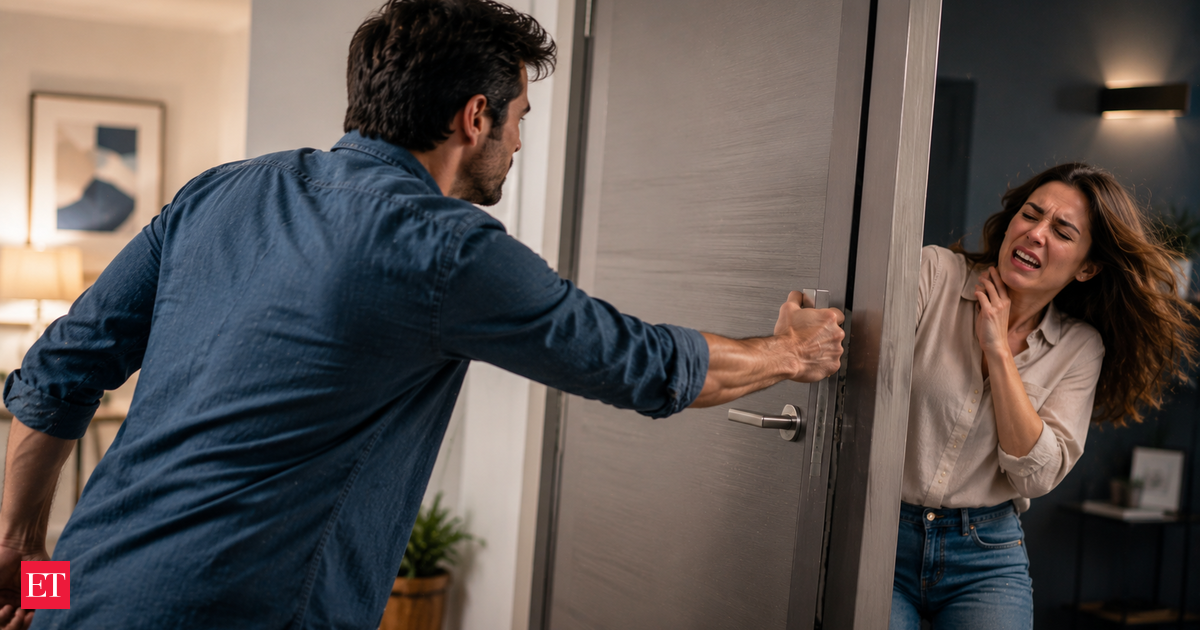
Almost everyone has witnessed it. An argument becomes heated, voices rise, someone walks away, and then—bang! The door slams shut. Many people assume that slamming a door is simply a sign of a bad temper. Psychology says the behavior is often more complex. While not everyone reacts this way, repeatedly slamming doors during conflict can reflect how a person experiences, manages, and expresses strong emotions.Researchers emphasize that a single act of door slamming does not define someone’s personality. Instead, it may result from a combination of emotional intensity, learned habits, stress, and the body’s natural response to anger.
Anger increases emotional arousal
One of the most widely accepted explanations comes from research on emotion regulation, particularly the work of psychologist James Gross. When people become angry, their heart rate increases, muscles tense, and the body prepares for action.This heightened state of physiological arousal makes it more difficult to pause before reacting. For example, after a heated disagreement at work, someone may leave the room and slam the door before realizing how forcefully they closed it. The action often reflects an emotional surge rather than a carefully planned decision.
Frustration can trigger aggressive expressions
The Frustration-Aggression Hypothesis, originally proposed by John Dollard and later refined by Leonard Berkowitz, suggests that frustration can increase the likelihood of aggressive behavior.You Might Also Like:

Psychology says people who love simple picnics in the park aren’t just seeking fresh air, they are looking for some quality time
Importantly, aggression isn’t always directed at another person. Sometimes it appears through actions like:
- Slamming doors
- Throwing objects
- Hitting tables
- Kicking furniture
For example, someone who feels ignored during an argument may slam the door as a physical expression of frustration rather than physically confronting another person.
Some people struggle with emotion regulation
Psychologist James Gross’s Process Model of Emotion Regulation explains that people differ in how effectively they manage strong emotions. Some individuals recognize anger early and calm themselves through deep breathing or taking a short walk.Others allow emotions to build until they overflow into impulsive actions. Door slamming may become an external release when internal regulation becomes difficult.You Might Also Like:

Psychology says people who believe they’re smarter than others aren’t always narcissists, they may be filled with confidence
The brain reacts differently during intense anger
Neuroscience shows that strong emotions activate areas such as the amygdala, which processes emotionally significant events. During intense anger, the brain may temporarily reduce activity in regions responsible for careful planning and self-control, including parts of the prefrontal cortex.For example, someone may slam a door first and only later think, “I shouldn’t have done that.” This helps explain why emotional reactions sometimes happen before rational thinking catches up.
Social learning shapes emotional habits
According to Albert Bandura’s Social Learning Theory, people often learn behaviors by observing others. A child who repeatedly watches parents slam doors during family conflicts may unconsciously learn that this is a normal way to express anger.That doesn’t mean they are destined to repeat the behavior forever, but early experiences often influence emotional habits. Healthy emotional expression can also be learned later in life.
Cognitive appraisal influences emotional reactions
Psychologist Richard Lazarus’s Cognitive Appraisal Theory suggests that emotions depend on how people interpret situations. Two people may experience the same disagreement very differently.For example:
- One person thinks, “We simply disagree.”
- Another thinks, “They completely disrespected me.”
The second interpretation is more likely to produce intense anger and dramatic emotional reactions such as door slamming. The meaning people assign to events often shapes the intensity of their emotions.
Walking away can sometimes be healthy, but how you do it matters
Psychologists often recommend taking a break during heated arguments before saying something hurtful. Leaving the room can help prevent conflict from escalating. However, slamming the door while leaving may unintentionally communicate hostility, rejection, or intimidation, making reconciliation more difficult later. The healthiest approach is usually to step away calmly and return once emotions have settled.
Is slamming a door a sign of anger issues?
Not necessarily. An occasional outburst can happen during intense emotions, but frequent door slamming may indicate difficulty regulating anger or coping with frustration.
Why do some people slam doors instead of yelling?
Some individuals express anger through physical actions rather than verbal confrontation. It may feel like a way to release emotional tension, although it is not always a healthy coping strategy.Add 
as a Reliable and Trusted News Source

Add Now!
(You can now subscribe to our Economic Times WhatsApp channel)
Read More News on
Psychology of slamming doorPsychology of angerPsychology of frustrationPsychology of emotionsPsychology of expression
(Catch all the US News, UK News, Canada News, International Breaking News Events, and Latest News Updates on The Economic Times.)
Download The Economic Times News App to get Daily International News Updates
…moreless
(You can now subscribe to our Economic Times WhatsApp channel)
Read More News on
Psychology of slamming doorPsychology of angerPsychology of frustrationPsychology of emotionsPsychology of expression
(Catch all the US News, UK News, Canada News, International Breaking News Events, and Latest News Updates on The Economic Times.)
Download The Economic Times News App to get Daily International News Updates
…moreless
