

Close Menu
healthylife7.comhealthylife7.com

    Subscribe to Updates

    Get the latest creative news from FooBar about art, design and business.

    What's Hot

    Best tips to tackle post-lunch headaches: ‘Pulpy fruits are your friends’

    July 19, 2026

    Zhaohui Su: Rare Disease Trials Face Ongoing Challenges in Demonstrating Therapeutic Value

    July 19, 2026

    Regular sleep loss can lead to weight gain and health risks, study finds

    July 19, 2026
    Facebook X (Twitter) Instagram
    Trending
    • Best tips to tackle post-lunch headaches: ‘Pulpy fruits are your friends’
    • Zhaohui Su: Rare Disease Trials Face Ongoing Challenges in Demonstrating Therapeutic Value
    • Regular sleep loss can lead to weight gain and health risks, study finds
    • Andoni Iraola interview: Pre-season, implementing his style and fitness update
    • CDC links Taco Bell lettuce supplier to massive cyclospora outbreak
    • Unreasonable behaviour emerges as leading cause of civil divorces in Singapore
    • Pa. Lyme disease cases near historic highs in Allegheny, Westmoreland counties
    • Can weight-loss drugs prevent cancer? Or are we jumping to conclusions?
    Facebook X (Twitter) Instagram
    healthylife7.comhealthylife7.com
    • Home
    • Fitness
    • Health
    • Nutrition
    • Lifestyle
    • Conditions
    • Mental Health
    • Weight Loss
    • Wellness Tips
    Sunday, July 19
    healthylife7.comhealthylife7.com
    Home»Conditions»The community laundry working to reduce heart disease in the Northern Territory
    Conditions

    The community laundry working to reduce heart disease in the Northern Territory

    healthylife7By healthylife7July 19, 2026No Comments6 Mins Read
    Facebook Twitter Pinterest LinkedIn Tumblr Reddit WhatsApp Email
    The community laundry working to reduce heart disease in the Northern Territory
    Share
    Facebook Twitter LinkedIn Pinterest WhatsApp Email
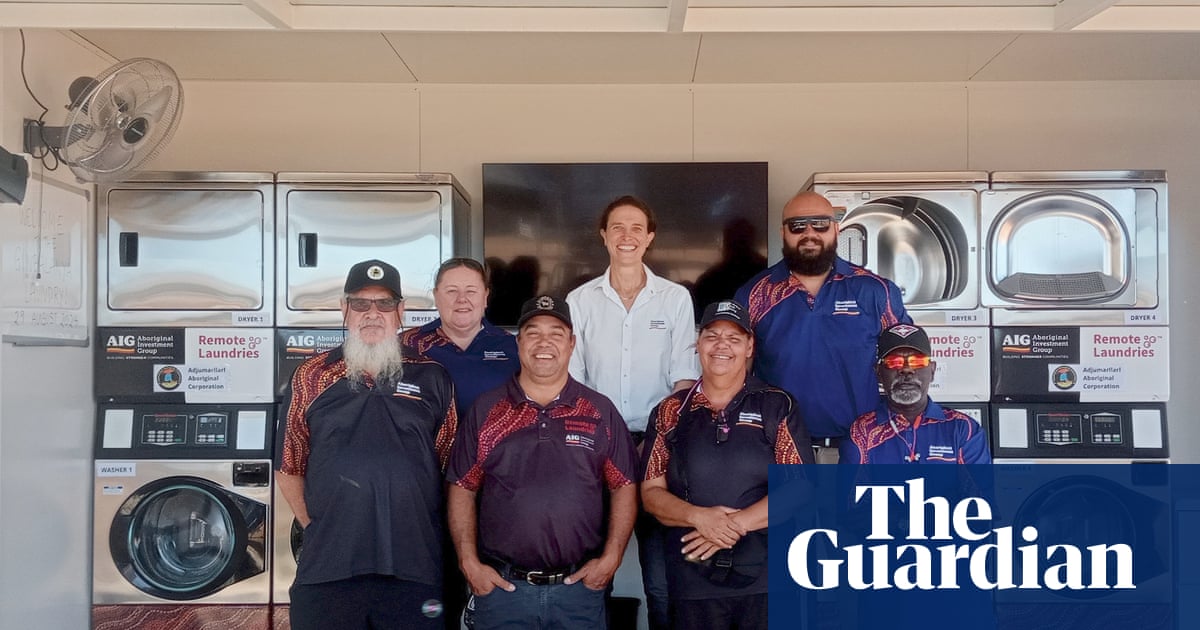
    Aboriginal Investment Group CEO Liz Morgan Brett (in white), with employees of the Remote Laundry Project at Gunbalanya. The project has built seven free laundry sites across the Northern Territory. Photograph: Aboriginal Investment Group
    Aboriginal Investment Group CEO Liz Morgan Brett (in white), with employees of the Remote Laundry Project at Gunbalanya. The project has built seven free laundry sites across the Northern Territory. Photograph: Aboriginal Investment Group

    The community laundry working to reduce heart disease in the Northern Territory

    Access to a working laundry is one of the easiest ways to reduce rates of scabies, which is widespread in many remote Indigenous communities and can increase the risk of rheumatic heart disease

    • Follow our Australia news live blog for latest updates

    • Get our breaking news email, free app or daily news podcast

    When former Olympian Liz Morgan-Brett toured remote Aboriginal communities in 2018, she saw first-hand the impact of unsafe living conditions

    “[There were] scabies infections, crusted scabies, and those secondary complications that stem from repeated scabies infections, which is acute rheumatic fever and rheumatic heart disease,” she says

    Rheumatic heart disease was largely eliminated in developed nations by the mid-20th century, with the advent of running water to ensure people and homes could remain clean. But in the overcrowded and broken housing in many remote communities, the diseases persist

    A significant contributing factor is the spread of scabies. Up to 70% of Indigenous children in remote communities contract scabies before their first birthday. If untreated, scabies sores can become infected with group A streptococcus bacteria, which can lead to acute rheumatic fever and ultimately rheumatic heart disease

    And one of the easiest ways to reduce rates of scabies is to ensure access to a working laundry

    Sign up for the Breaking News Australia email

    “We knew the drivers [of scabies] from our communities were overcrowded housing and a lack of access to commercial-grade washers and dryers,” Morgan-Brett tells Guardian Australia

    So that’s what her organisation, the Indigenous-owned not-for-profit Aboriginal Investment Group (AIG), built

    “We built our first prototype in 2019 and shipped it out to Barunga [a remote community about 300km south-east of Darwin], and within two years of operation, scabies have dropped 60% … and there have been no new cases of rheumatic heart disease in Barunga,” she says

    Perpethua Ali, who was was diagnosed with acute rheumatic fever five years ago at age 38, says at first she she found the condition difficult to understand and thus take seriously. Photograph: Perpethua Ali

    “We have since built and delivered six more. So, across our seven laundries, we’ve tipped over 88,000 cycles of washing.”

    Currently, the project has seven laundry sites across the Northern Territory, providing commercial-grade laundry facilities free of charge

    Gemma Brogan is a teacher in Gunbalanya, one of the communities with a laundry – which was featured in a short film about the project. She says every community in the territory should have the same facilities

    “The cost of laundry powder, softener and disinfectant is really high,” she says. “You’re pretty much paying double the price to what you normally would in urban areas

    “In the community, no one really has a washing machine because the cheapest you could probably buy a washing machine for around here would be about $800. No one around here has that kind of money spare

    “I think every remote community should have one of these laundries, because scabies and rheumatic heart disease are curable and preventable.”

    ‘It’s a basic human right’

    Perpethua Ali was diagnosed with acute rheumatic fever five years ago, at the age of 38. At first, she says, she didn’t take it seriously and didn’t really understand it

    skip past newsletter promotion
    Diphtheria outbreak: residents of remote NT community say health clinic has no hand sanitiser
    Read more

    “It took me a while until the doctor said to me: ‘do you want to live longer to see your grandchildren or your great-grandchildren grow up? Do you want to be around and alive to see your children grow?’,”, the Warumungu and Warlpiri woman says

    Now 43 and with three grandchildren, Ali says both rheumatic heart disease and type 2 diabetes – which she also has – are common in her home town of Tennant Creek

    As of late December 2024, more that 11,700 people living in Australia had rheumatic heart disease and either current or past acute rheumatic fever infections. At least 80% of those with the disease are Aboriginal or Torres Strait Islander, who are at least 20 times more likely to die from it than non-Indigenous people

    “A lot of our mob get diagnosed with diabetes but they are mostly dying of heart attacks,” Ali says. “They were all strong and healthy and then health issues like diabetes, heart disease and all the other health conditions started coming into our community and it was making our mob sick

    “We didn’t receive education or know about heart disease, acute rheumatic fever, rheumatic heart disease. We had no awareness of that and we had no education around it

    “It really affected my health. It really affected my lifestyle and affected me to see other family members and friends in my community also affected.”
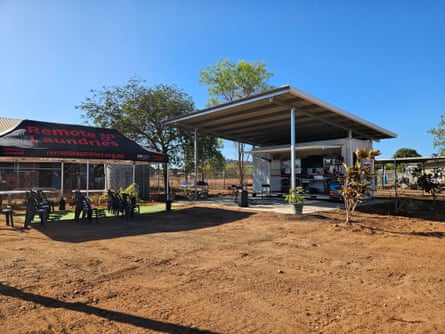
    Remote laundry site at Gunbalanya.
    The Remote Laundry Project site at Gunbalanya in west Arnhem Land. The operator says their seven laundry sites have processed more than 88,000 cycles of washing. Photograph: Aboriginal Investment Group

    First Nations principal research fellow at the Menzies school of health research, Assoc Prof Aunty Vicki Wade, has been working to reduce rates of rheumatic heart disease for more than 15 years. The Noongar elder told Guardian Australia that remote laundries played an “important role” in preventing the spread, but said it was just one small part of what was needed

    “It’s part of the environmental health plan … they have a place, but we can’t rely on remote laundries,” she says. “We can’t rely on any one solution, it’s got to be part of the endgame strategy

    “It’s a basic human right that we’ve got access to water, and we’ve got access to washing. It’s part of healthy living practices.”

    Wade says community education and awareness is also a significant piece, as is ensuring funding for culturally safe care and other preventive measures

    “We’ve got a blueprint for rheumatic heart disease and it’s certainly environmental health, which is really, really important,” she says

    Explore more on these topicsShare
    Reuse this content

    Community Heart laundry reduce Working
    healthylife7
    • Website

    Related Posts

    Zhaohui Su: Rare Disease Trials Face Ongoing Challenges in Demonstrating Therapeutic Value

    July 19, 2026

    Pa. Lyme disease cases near historic highs in Allegheny, Westmoreland counties

    July 19, 2026

    Coffee may help the body fight stress and aging through a hidden cellular switch

    July 19, 2026
    Leave A Reply Cancel Reply

    Health
    Lifestyle

    Best tips to tackle post-lunch headaches: ‘Pulpy fruits are your friends’

    By healthylife7July 19, 20260

    If you find yourself sitting with your head in your hands right after lunch, we have some news for you. Celebrity nutritionist Rujuta Diwekar says that such headaches can result from many factors and differ for each individual, depending on their lifestyle and medical history

    Zhaohui Su: Rare Disease Trials Face Ongoing Challenges in Demonstrating Therapeutic Value

    July 19, 2026

    Regular sleep loss can lead to weight gain and health risks, study finds

    July 19, 2026

    Andoni Iraola interview: Pre-season, implementing his style and fitness update

    July 19, 2026
    Stay In Touch
    • Facebook
    • Twitter
    • Pinterest
    • Instagram
    • YouTube
    • Vimeo
    Fitness

    Opinion: The FDA must put biotech at its center or continue to cede early research to China

    July 6, 2026

    Inside Elevance’s digital chronic disease management strategy

    July 6, 2026

    Best, Worst States For Well

    July 6, 2026

    What do the Middle Ages tell us about mental health then and now? VCU historian Leigh Ann Craig has answers

    July 6, 2026

    Subscribe to Updates

    Get the latest creative news from SmartMag about art & design.

    About Us

    Welcome to HealthyLife7.com, your trusted source for reliable health, wellness, fitness, and lifestyle information. Our mission is to help people make informed decisions about their health by providing clear, practical, and easy-to-understand content.

    At HealthyLife7.com, we believe that good health starts with the right knowledge. Whether you're looking for healthy eating tips, fitness advice, mental wellness strategies, weight management guidance, or information about common health conditions, our goal is to deliver valuable content that supports a healthier lifestyle.

    Fitness

    Best tips to tackle post-lunch headaches: ‘Pulpy fruits are your friends’

    July 19, 2026

    Zhaohui Su: Rare Disease Trials Face Ongoing Challenges in Demonstrating Therapeutic Value

    July 19, 2026

    Regular sleep loss can lead to weight gain and health risks, study finds

    July 19, 2026
    Health

    Opinion: The FDA must put biotech at its center or continue to cede early research to China

    July 6, 2026

    Inside Elevance’s digital chronic disease management strategy

    July 6, 2026

    Best, Worst States For Well

    July 6, 2026
    Facebook X (Twitter) Instagram Pinterest
    • About Us
    • Contact us
    • Disclaimer
    • Privacy Policy
    • Terms and Conditions
    © 2026 healthylife7.com. Designed by Pro.

    Type above and press Enter to search. Press Esc to cancel.