

Close Menu
healthylife7.comhealthylife7.com

    Subscribe to Updates

    Get the latest creative news from FooBar about art, design and business.

    What's Hot

    Vietnam witnessing alarming rise of childhood obesity in urban areas

    July 21, 2026

    MAFS’ Stella reveals ‘incredibly embarrassing’ way Filip ended their engagement

    July 21, 2026

    West Nile virus detected in Beaufort County; health officials offer prevention tips

    July 21, 2026
    Facebook X (Twitter) Instagram
    Trending
    • Vietnam witnessing alarming rise of childhood obesity in urban areas
    • MAFS’ Stella reveals ‘incredibly embarrassing’ way Filip ended their engagement
    • West Nile virus detected in Beaufort County; health officials offer prevention tips
    • China’s rising obesity fuels demand for weight
    • The surprising benefits of a five
    • GLP-1, metabolic health, longevity: Emerging users of active nutrition in India
    • Spousal dementia increases partner’s risk, researchers find
    • Novo Nordisk stock trades near record levels as obesity drug growth reshapes earnings profile
    Facebook X (Twitter) Instagram
    healthylife7.comhealthylife7.com
    • Home
    • Fitness
    • Health
    • Nutrition
    • Lifestyle
    • Conditions
    • Mental Health
    • Weight Loss
    • Wellness Tips
    Tuesday, July 21
    healthylife7.comhealthylife7.com
    Home»Conditions»Scientists Create a ‘Gut-on-a-Chip’ That Reveals Hidden Drivers of Inflammatory Bowel Disease
    Conditions

    Scientists Create a ‘Gut-on-a-Chip’ That Reveals Hidden Drivers of Inflammatory Bowel Disease

    healthylife7By healthylife7July 20, 2026No Comments5 Mins Read
    Facebook Twitter Pinterest LinkedIn Tumblr Reddit WhatsApp Email
    Scientists Create a 'Gut-on-a-Chip' That Reveals Hidden Drivers of Inflammatory Bowel Disease
    Share
    Facebook Twitter LinkedIn Pinterest WhatsApp Email

    Scientists Create a ‘Gut-on-a-Chip’ That Reveals Hidden Drivers of Inflammatory Bowel Disease

    Health20 July 2026ByEsra Ă–z
    Add ScienceAlert on Google
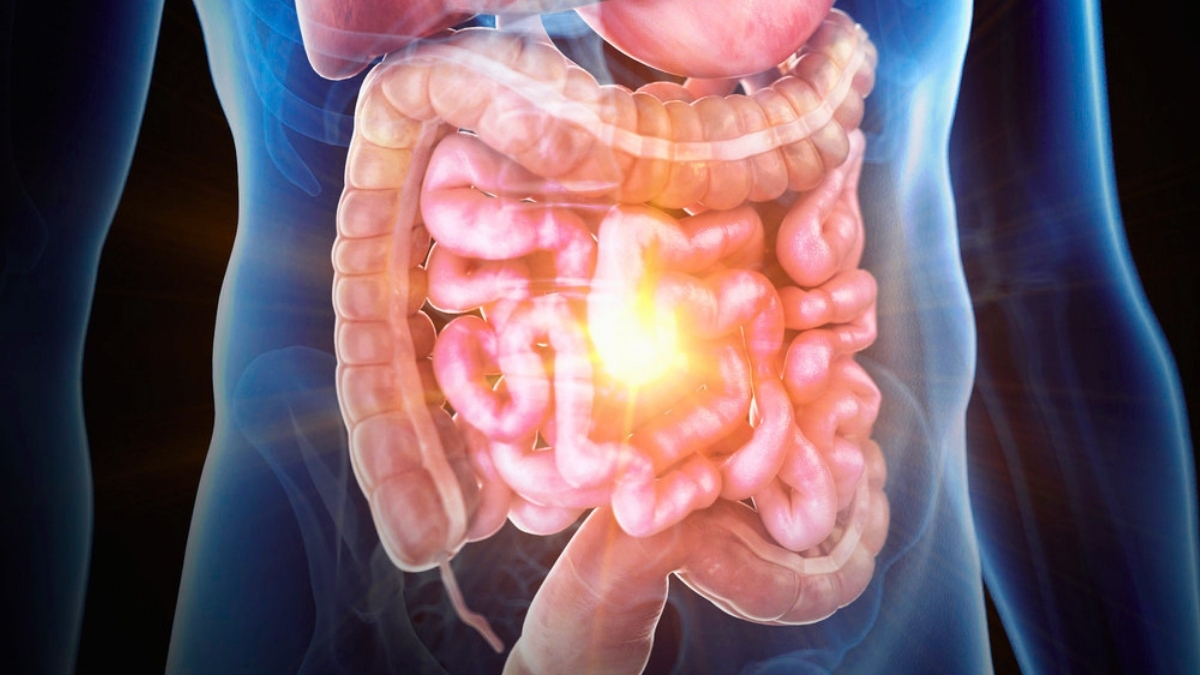
    A computer illustration of an inflamed digestive system.(Science Photo Library/Canva)

    Inflammatory bowel disease affects millions of people worldwide, yet scientists still don’t fully understand what drives the chronic inflammation that damages the gut

    Although treatments can help control symptoms, exactly how the disease develops – and why it progresses differently from one patient to another – remains poorly understood

    One of the biggest obstacles has been recreating the disease in the laboratory. Conventional cell cultures capture only isolated pieces of inflammatory bowel disease (IBD), while animal models often fail to faithfully mirror what happens in the human intestine

    As a result, researchers have struggled to untangle how different cell types interact to drive inflammation, tissue damage, and the increased risk of colorectal cancer

    Now, a study published in Nature Biomedical Engineering may help fill some of those gaps
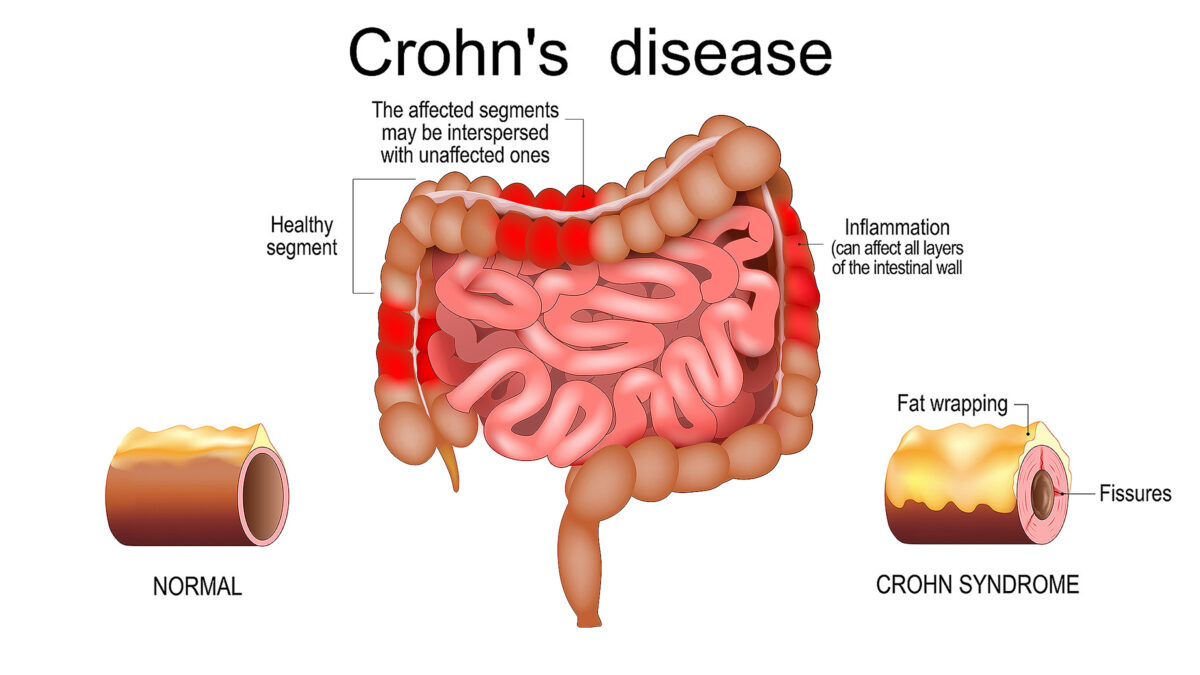
    Crohn disease. Human large and small intestine with healthy segments and inflammation that affect layers of the intestinal wall. The affected segments interspersed with unaffected ones. Close-up of a cross section of a intestinal wall with fat wrapping and fissures
    Crohn’s disease is an inflammation of the intestinal wall, and one of the two main types of IBD. (CDC)

    Researchers created what may be the most complete human model of IBD on a chip yet, using cells donated by patients with Crohn’s disease and ulcerative colitis, the two main types of IBD

    “To my knowledge, this is the first model that has recapitulated in vitro the disease exacerbations that pregnant women with IBD often can experience,” says first author Alican Ă–zkan, a bioengineer at Harvard University

    “Perhaps even more importantly, we showed that our system enables studying the earliest stages of cancer formation within human tissues growing in an organ-relevant context in vitro.”

    Unlike conventional laboratory models, the miniature device called a ‘Colon Chip’ recreates many of the disease’s key features at once, allowing scientists to study interactions that have long been difficult to observe

    Among the biggest surprises were fibroblasts – connective tissue cells best known for supporting the structure of organs and helping repair damaged tissue

    Instead of acting as passive bystanders, the cells appeared to help drive inflammation and weaken the gut’s protective barrier

    To test the idea, Ă–zkan and colleagues paired fibroblasts from people with IBD with healthy intestinal cells from the same people on the same chip

    The results were striking

    Simply exposing healthy cells to those fibroblasts was enough to make them behave like diseased tissue, with a leakier intestinal barrier and stronger inflammatory responses
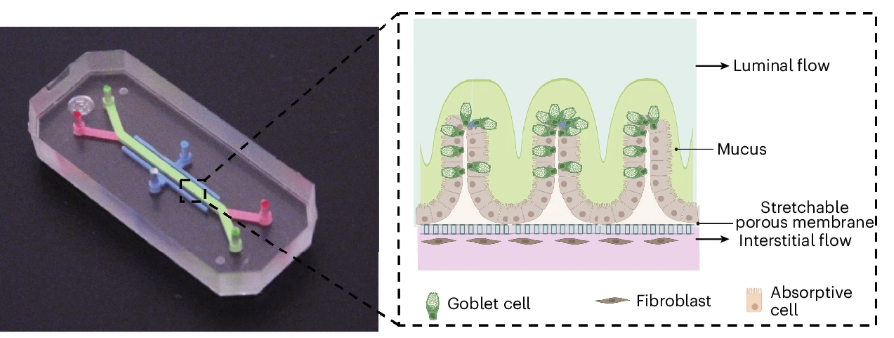
    Scientists Build an 'Inflammatory Bowel Disease-on-a-Chip' That Could Transform Research
    The researchers added patient-derived cells to a commercially available chip device (left) to recreate features of IBD in the lab. (Ă–zkan et al., Nat. Biomed. Eng., 2026/Wyss Institute at Harvard University)

    Together, these findings suggest fibroblasts may play a much bigger role in IBD than previously thought

    “By combining matched epithelial cells, stromal fibroblasts, circulating immune cells, and physiologically relevant mechanical forces, the Colon Chip enables researchers to determine the contribution of each component to disease,” Ă–zkan told ScienceAlert

    The chip also allowed the researchers to explore another factor that has been difficult to study in the lab: the constant stretching caused by normal bowel movements

    The researchers also used the chip to investigate how pregnancy-related hormones might influence the disease

    When chips built from cells donated by female patients were exposed to those hormones, they observed stronger inflammatory responses and increased collagen deposition – changes associated with tissue scarring, known as fibrosis

    A 2022 study published in PLOS Biology showed that fibroblasts in the colon adopt inflammatory states during chronic intestinal inflammation and help remodel damaged tissue

    The new study goes a step further by showing that fibroblasts taken from patients with IBD were, on their own, enough to trigger disease-like changes in healthy intestinal tissue grown on the chip
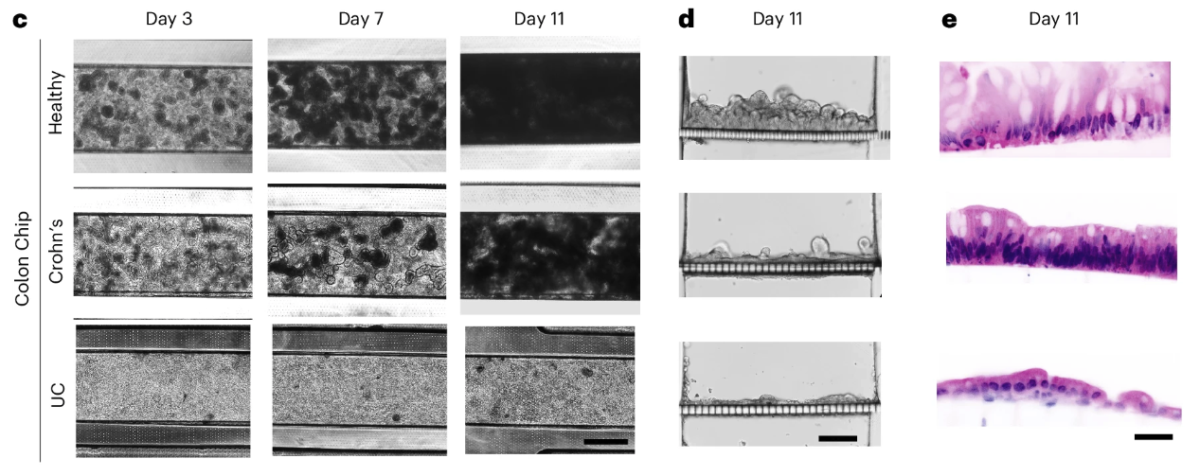
    Scientists Build an 'Inflammatory Bowel Disease-on-a-Chip' That Could Transform Research
    Compared with healthy cells, Colon Chips made using cells from individuals with Crohn’s disease and ulcerative colitis produced less protective mucus (c) and had a thinner cell layer (e), mimicking features of IBD. (Ă–zkan et al., Nat. Biomed. Eng., 2026)

    “This mechanistic insight would be difficult to obtain using conventional organoids or animal models,” Ă–zkan said

    “The most important advance is that this model moves beyond replicating IBD pathology to uncovering the mechanisms that drive disease progression in a fully human, patient-derived system,” he added

    The team also turned to one of IBD’s most serious long-term complications: colorectal cancer

    Subscribe to ScienceAlert's free fact-checked newsletter

    To investigate the earliest stages of cancer development, they exposed both healthy and diseased Colon Chips (each using cells from different donors) to the carcinogen N-ethyl-N-nitrosourea (ENU)

    While both models responded, the diseased chips exhibited far stronger cancer-associated molecular changes than healthy tissue

    The researchers also found that fibroblasts appeared to be central to this increased cancer susceptibility

    Healthy intestinal tissue only began expressing early cancer-associated molecular markers after being grown alongside fibroblasts taken from patients with IBD

    Related: Constipation May Be More Than a Simple Digestion Problem, Scientists Say

    “The strength of this platform lies in its ability to faithfully recreate the dynamic human intestinal microenvironment while allowing individual disease drivers to be studied in isolation and in combination,” Ă–zkan told ScienceAlert

    “The integration of patient-derived epithelial and stromal cells with circulating immune cells and peristalsis-like mechanical forces captures key features of inflammatory bowel disease that are absent from most existing models.”

    The findings are reported in Nature Biomedical Engineering

    This article was fact-checked by Clare Watson and edited by Rebecca Dyer. While we pride ourselves on our process, we are only human. If you spot a mistake, please let us know

    create GutonaChip reveals Scientists That
    healthylife7
    • Website

    Related Posts

    MAFS’ Stella reveals ‘incredibly embarrassing’ way Filip ended their engagement

    July 21, 2026

    West Nile virus detected in Beaufort County; health officials offer prevention tips

    July 21, 2026

    Dr. Marlene E. Haffner, MD, MPH, Recognized for Achievements in Public Health Care

    July 21, 2026
    Leave A Reply Cancel Reply

    Health
    Wellness Tips

    Vietnam witnessing alarming rise of childhood obesity in urban areas

    By healthylife7July 21, 20260

    For 12-year-old Tran Van A. from Dong Thap Province, the situation reached a critical breaking point when his grandmother rushed him to Children’s Hospital 2 in HCMC with prolonged shortness of breath. Though just 12 years old, A. weighs a staggering 108kg, strictly classifying him with class-3 severe obesity. His incredibly heavy body renders walking…

    MAFS’ Stella reveals ‘incredibly embarrassing’ way Filip ended their engagement

    July 21, 2026

    West Nile virus detected in Beaufort County; health officials offer prevention tips

    July 21, 2026

    China’s rising obesity fuels demand for weight

    July 21, 2026
    Stay In Touch
    • Facebook
    • Twitter
    • Pinterest
    • Instagram
    • YouTube
    • Vimeo
    Fitness

    Opinion: The FDA must put biotech at its center or continue to cede early research to China

    July 6, 2026

    Inside Elevance’s digital chronic disease management strategy

    July 6, 2026

    Best, Worst States For Well

    July 6, 2026

    What do the Middle Ages tell us about mental health then and now? VCU historian Leigh Ann Craig has answers

    July 6, 2026

    Subscribe to Updates

    Get the latest creative news from SmartMag about art & design.

    About Us

    Welcome to HealthyLife7.com, your trusted source for reliable health, wellness, fitness, and lifestyle information. Our mission is to help people make informed decisions about their health by providing clear, practical, and easy-to-understand content.

    At HealthyLife7.com, we believe that good health starts with the right knowledge. Whether you're looking for healthy eating tips, fitness advice, mental wellness strategies, weight management guidance, or information about common health conditions, our goal is to deliver valuable content that supports a healthier lifestyle.

    Fitness

    Vietnam witnessing alarming rise of childhood obesity in urban areas

    July 21, 2026

    MAFS’ Stella reveals ‘incredibly embarrassing’ way Filip ended their engagement

    July 21, 2026

    West Nile virus detected in Beaufort County; health officials offer prevention tips

    July 21, 2026
    Health

    Opinion: The FDA must put biotech at its center or continue to cede early research to China

    July 6, 2026

    Inside Elevance’s digital chronic disease management strategy

    July 6, 2026

    Best, Worst States For Well

    July 6, 2026
    Facebook X (Twitter) Instagram Pinterest
    • About Us
    • Contact us
    • Disclaimer
    • Privacy Policy
    • Terms and Conditions
    © 2026 healthylife7.com. Designed by Pro.

    Type above and press Enter to search. Press Esc to cancel.