


<img src="https://healthylife7.com/wp-content/uploads/2026/07/NYC_aerial-1-1-6.jpg” alt=””>
Health officials in New York City reported a second death linked to the outbreak of Legionnaires’ disease in a Manhattan neighborhood. NBC New York’s Jessica Cunnington reports.
Health officials in New York City reported a second death linked to the outbreak of Legionnaires’ disease in a Manhattan neighborhood
The latest death comes as the number of new cases has significantly dropped since the first week of July and officials say the
The city’s health department confirmed the second death late Saturday, just two days after reporting the first death as a result of a cluster found on the Upper East Side
Watch NBC 4 free wherever you are
WATCH HERE
“We are heartbroken to learn that another New Yorker has lost their life to Legionnaires’ disease on the Upper East Side. Our deepest condolences are with their loved ones as they grieve,” said NYC Health Commissioner Dr. Alister F. Martin.
“While we mourn this loss, the data are also encouraging. Our aggressive strategy of testing, enforcement, and remediation appears to have stopped the
A second person has died in connection with the Legionnaires’ disease community cluster on the Upper East Side, as data indicate that the95F
— nychealthy (@nycHealthy) July 19, 2026
As of Saturday night, 72 people had been diagnosed with Legionnaires’ disease as a result of the outbreak, nine of whom were still hospitalized. Nearly 50 people had required hospitalization after falling ill
Manhattan news
From Midtown to the Upper West Side to the Lower East Side and all points between, NBC New York covers Manhattan news, weather, traffic and more

New York CityJul 17
NYRR to host 3 free beginner-friendly races across the city: What to know
HealthJul 17
First death reported from Legionnaires’ outbreak on Upper East Side, Health Dept. says
Earlier in the week, city health officials said new diagnoses had been slowing. The city’s Department of Health and Mental Hygiene reported progress on inspections for the disease-causing bacteria, finding traces in dozens of buildings including the famed Metropolitan Museum of Art and the Guggenheim Museum
City Council Speaker Julie Menin, a Democrat and Upper East Side resident, complained that the Health Department wasn’t doing and disclosing enough. Menin said Wednesday she planned to hold a Council hearing to examine the city’s handling of the outbreak and “demand accountability.”
Legionnaires’ disease is a form of pneumonia caused by Legionella bacteria, which grow in warm water and can spread in building cooling systems, hot tubs and showerheads. In many cases, people contract the disease by inhaling tiny droplets of contaminated water; Legionnaires’ disease doesn’t spread person-to-person
The illness is treatable, but it is fatal in about 10% of cases, according to the U.S. Centers for Disease Control and Prevention. Seven people died and more than 100 were sickened during an outbreak last year in Harlem. Thesed for cooling large buildings — at a city-run hospital and the site of the city’s public health lab
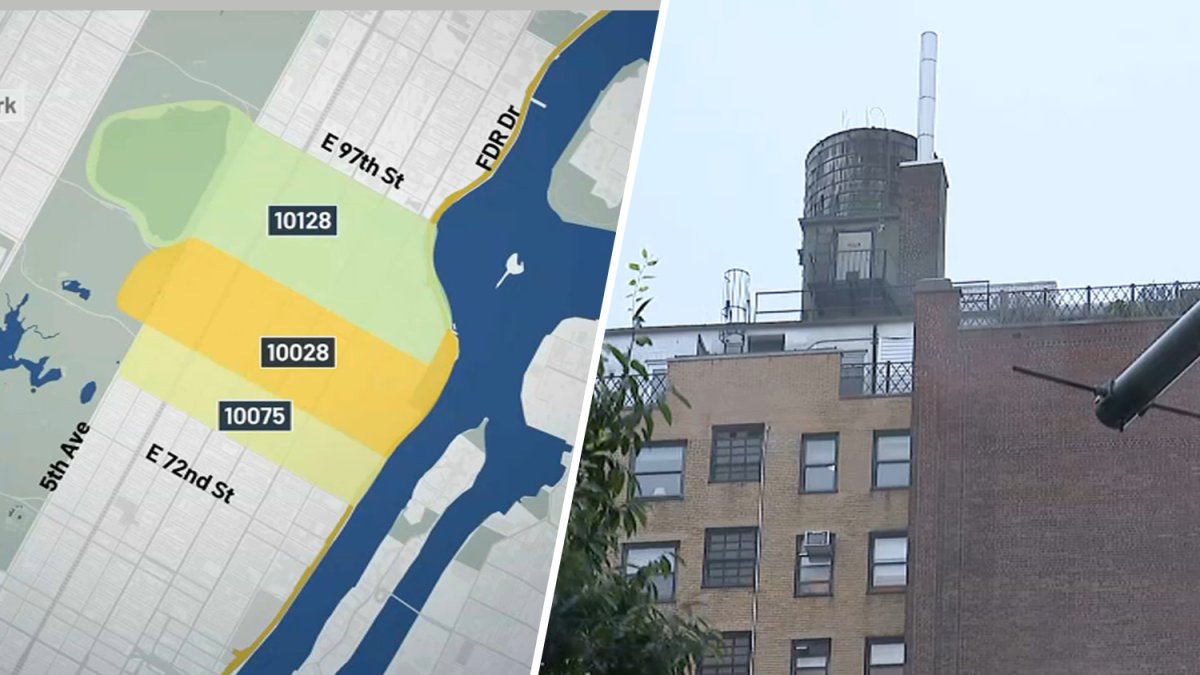
Health officials are working to identify the origin of the Upper East Side outbreak, which was first identified on July 2 from two cases in close proximity. The investigation expanded to encompass three heavily residential ZIP codes
The city said Tuesday it has inspected all 183 cooling towers in the area, and about 75 of them came up positive on first-round tests that don’t distinguish between live and dead bacteria
Those buildings include the Met Museum, according to a list the city released Tuesday. The storied museum said it was working on the required cleanup and follow-up testing. It’s normally closed Wednesday and canceled the day’s few activities to ease the cleaning
City officials said last week that they got positive tests at the Guggenheim Museum, private schools, Park and Fifth Avenue apartment houses, and more
Most already finished the required cleanups, which entail draining and disinfecting the cooling towers, Martin said. The remaining buildings were supposed to be completed by Thursday
Martin said the city acted with unprecedented speed in ordering cooling tower cleanups after the first-round tests. In the past, he said, officials awaited results from second-round tests for live bacteria. Those tests take about two weeks
Menin, the Council speaker, contends the city should have demanded cleanups throughout the area right away, without waiting for any tests
