


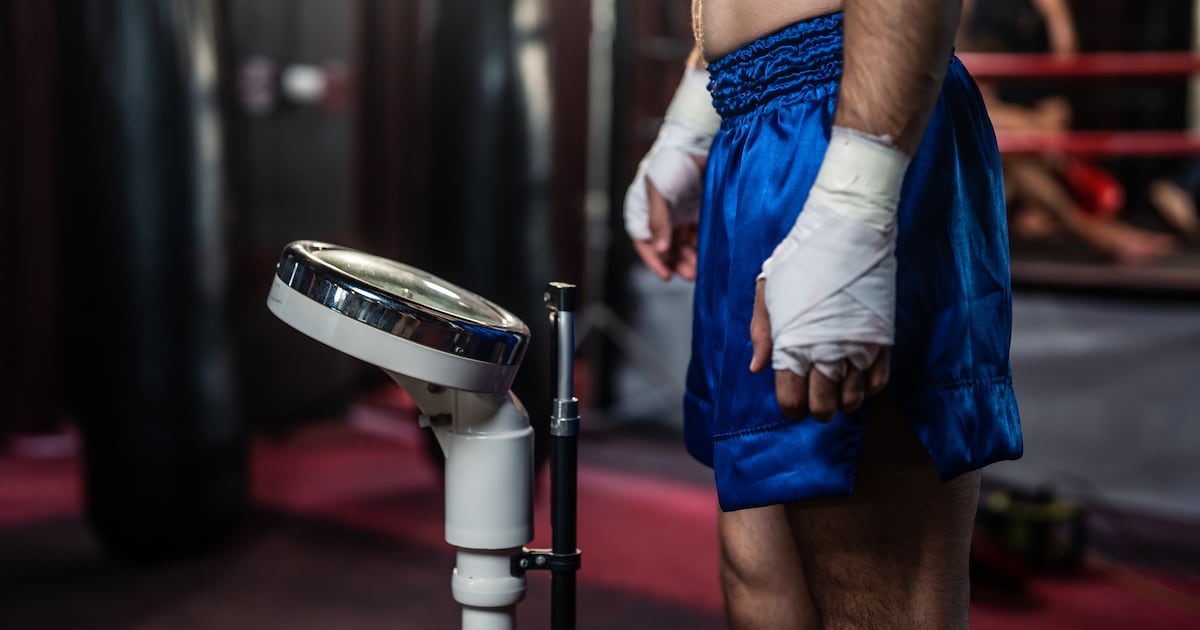
Researchers at Shanghai University of Sport in China showed that pre-competition weight loss significantly disrupts the balance of the gut, triggering inflammation and symptoms like cramping, bloating and diarrhea
Four weeks of supplementation with a probiotic attenuated these adverse effects, suggesting “probiotics as a safe, evidence-based nutritional strategy for managing weight loss in combat sports,” they wrote in Frontiers in Nutrition
Competitors in combat and strength sports often undertake weight reduction to fit into weight categories. Strategies include restricting energy while intensifying training, reducing fluid intake, and increasing dehydration using saunas and sweat suits
However, the adverse effects of these strategies can cause serious health issues, and the risks are gaining attention in sports medicine
The health of the gut is fundamental to an athlete’s health, recovery and training, but is sometimes overlooked by sports nutritionists
Cutting before a competition can add physical and psychological stress to an athlete. High-intensity training directs blood flow towards the skeletal muscles, decreasing the body’s ability to rest and digest. Carbohydrate restriction and dehydration can disrupt the microbiota and reduce short-chain fatty acid production, thereby impacting gut lining health and immune function. This can lead to inflammation, gastrointestinal symptoms, and impaired recovery
“Weight cutting places immense stress on gastrointestinal function, but current nutritional protocols lack specific barrier-protecting interventions,” the researchers wrote. “ Probiotics may serve as a promising intervention, as they modulate the gut microbiota and reinforce intestinal barrier integrity.”
The double-blind study included 24 elite male contact-sport athletes who were randomly assigned to receive a complex sports probiotic or a placebo for four weeks while consuming an energy-restricted diet
The researchers assessed gastrointestinal symptoms, intestinal barrier biomarkers, gut microbiota, body weight and body composition
The findings revealed that gastrointestinal symptoms were exacerbated in the placebo group but not in the probiotic group, suggesting that probiotic supplementation may effectively attenuate gastrointestinal distress associated with weight control interventions,” wrote the researchers
The probiotic group showed greater increases in SIgA, an antibody that protects the gut, and larger decreases in zonulin and other markers of intestinal permeability. The placebo group showed greater increases in inflammatory markers
The gut microbiota profiling showed that the probiotic group “exhibited significant enrichment of butyrate-producing bacteria”, which the authors noted indicated that probiotic supplementation facilitated a shift towards fiber metabolism and short-chain fatty acid production
“Future research should optimize strain selection, dosing regimens, and intervention timing, while integrating hydration biomarkers to further elucidate the underlying mechanisms,” the researchers noted
Journal: Frontiers in Nutrition; doi 10.3389/fnut.2026.1857878; “Effects of probiotic supplementation on gut barrier function in combat athletes during pre-competition weight loss.” Authors: J. Wang et al
