


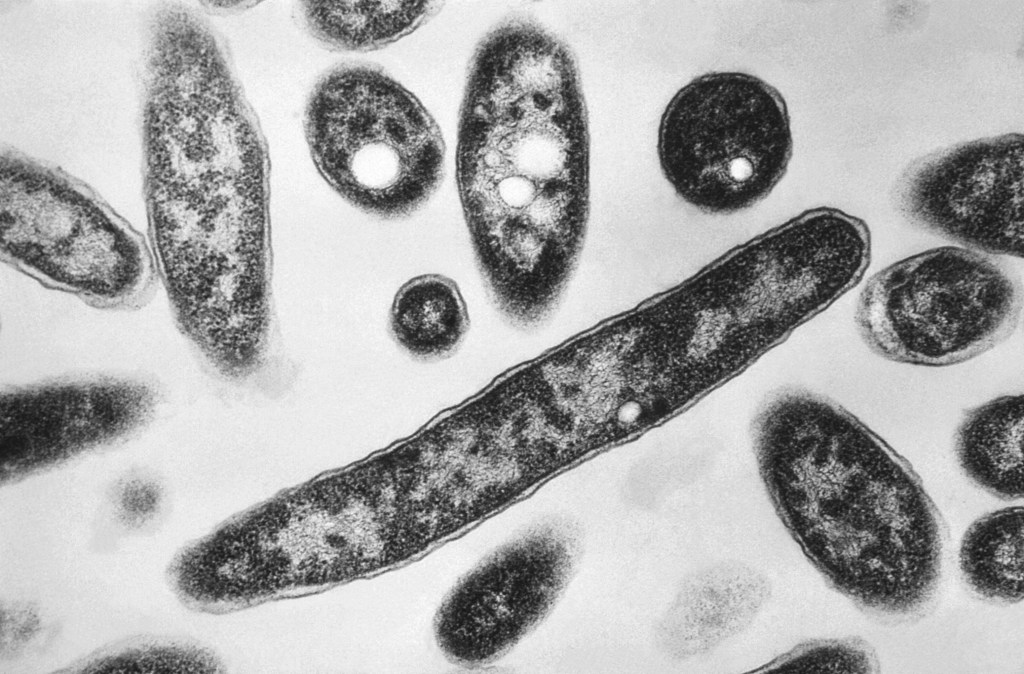
The Legionnaires’ disease outbreak on Manhattan’s Upper East Side claimed its fifth life Tuesday, city Health Commissioner Alister Martin said
“We are saddened to share that a fifth individual has passed away due to the Legionnaires’ disease cluster on the Upper East Side,” Martin said on X. “Our hearts are with their family, friends, and all those grieving this loss.”
No further details were revealed. A fourth victim died Monday, officials said
More than 70 people have been infected with the disease, which is a severe form of pneumonia caused by the Legionella bacteria, since the cluster was first identified on the Upper East Side in early July, per city data
Health authorities have said the
“We have not seen anyone with new symptoms in over a week,” Martin said. “We are focused on inspecting every cooling tower that tested positive and enforcing our laws to their fullest extent.”
Symptoms typically develop two to 14 days after exposure and include fever, chills, muscle aches, shortness of breath and coughing. The disease spreads through the inhalation of water vapor — not person to person
Most people exposed to the bacteria do not become sick, but the disease is fatal in about 10% of cases and is most dangerous for those above age 50 or with compromised immune systems
The city has focused on tamping down the outbreak by having buildings on the Upper East Side with cooling towers, where the bacteria can proliferate, tested for the pathogen and then ordering remediation, if needed. At least 76 buildings were found to have the microbe and were ordered by the city to clean and disinfect their cooling systems — including the Guggenheim Museum and the Metropolitan Museum of Art, the Trevor Day School on E. 95th St., and 1110 Fifth Ave., a luxury apartment building overlooking Central Park designed by renowned architect James Edwin Ruthven Carpenter Jr.
This year’s outbreak comes a year after a similar Legionnaires’ summer outbreak in Harlem that killed seven people and sickened more than 100
