


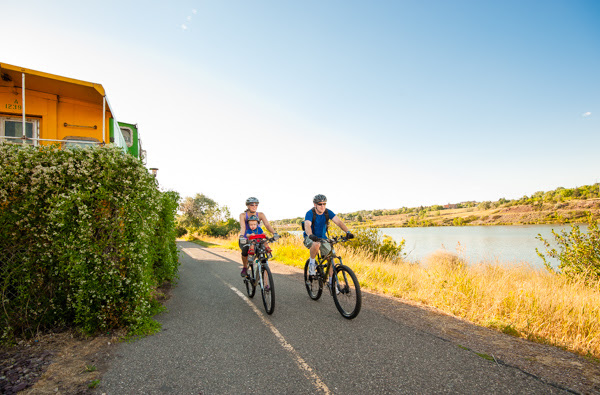
With record temperatures affecting Great Falls and communities across Montana, staying hydrated is top of mind for many people
You’ve probably noticed the trend of oversized water bottles marked with hourly goals designed to help people drink a gallon of water each day. But do those hydration goals actually make sense? And can you drink too much water?
Let’s separate hydration myths from facts so you can stay safe during extreme summer heat
Montana’s Dry Air Can Increase Dehydration Risk
Unlike humid climates, Montana’s dry air allows sweat to evaporate quickly. While that evaporation helps cool the body, it can also make it harder to realize how much fluid you’re losing throughout the day
You may be sweating more than you realize—even when you don’t feel excessively sweaty
Who’s Most at Risk During Extreme Heat?
While anyone can experience dehydration or heat-related illness, some people face a higher risk, including:
- Adults age 65 and older
- Infants and young children
- Pregnant individuals
- People with chronic medical conditions
- Outdoor workers
- Athletes and outdoor recreation enthusiasts
- Individuals who live alone
- People taking medications that affect hydration or temperature regulation
Myth #1: Everyone Needs to Drink a Gallon of Water Every Day
Fact: Hydration Needs Are Different for Everyone
There is no one-size-fits-all recommendation for daily water intake. Your hydration needs depend on factors such as:
- Age
- Activity level
- Body size
- Medications
- <a href="https://healthylife7.com/health-kabushenga-tips-men-on-life-and-wellness/” title=”Health: Kabushenga tips men on life and wellness”>Health conditions
- Time spent outdoors
Someone working on a construction site in 100-degree heat will need more fluids than someone working indoors in air conditioning
Takeaway:Use hydration goals as a guide, not a requirement
Myth #2: If You’re Thirsty, You’re Already Dehydrated
Fact: Thirst Is Important, but It Isn’t the Only Signal
Your body has several ways of letting you know it needs more fluids
- Dark yellow urine
- Dry mouth
- Headaches
- Dizziness
- Fatigue
- Muscle cramps
Older adults may be especially vulnerable because the sensation of thirst tends to decrease with age
Takeaway:Don’t wait until you’re extremely thirsty to start drinking water
Myth #3: More Water Is Always Better
Fact: It Is Possible to Drink Too Much Water
While dehydration is a concern during hot weather, overhydration can also be dangerous
Drinking excessive amounts of water over a short period can dilute sodium levels in the bloodstream, potentially causing a condition known as hyponatremia
Takeaway:Consistent hydration is important, but more isn’t always better
Myth #4: Sports Drinks Are Better Than Water
Fact: Most People Only Need Water
For everyday activities, water is typically the best choice
Sports drinks may be beneficial for:
- Endurance athletes
- Outdoor laborers
- People exercising or working in the heat for several hours
For most people running errands, attending outdoor events, or enjoying summer recreation, water is usually enough
Takeaway:Save sports drinks for prolonged or intense activity
Do You Need Electrolytes?
Most people can stay hydrated by drinking water and eating regular meals
However, electrolyte-containing beverages may be helpful for people who:
- Work outdoors for several hours
- Engage in prolonged exercise
- Hike or recreate in extreme heat
- Experience significant sweating
For most day-to-day activities, water is usually sufficient
Myth #5: Water Is the Only Way to Stay Hydrated
Fact: Food Helps, Too
Many fruits and vegetables contain significant amounts of water and can contribute to hydration
Hydrating foods include:
- Watermelon
- Cucumbers
- Strawberries
- Peaches
- Lettuce
- Bell peppers
During hot weather, these foods can help support your hydration goals while providing important nutrients
Myth #6: Coffee and Tea Don’t Count Toward Hydration
Fact: They Still Contribute to Fluid Intake
Although caffeine has a mild diuretic effect, coffee and tea still provide fluids and can contribute to hydration for most healthy adults
Water remains the best choice during extreme heat, but your morning coffee isn’t automatically dehydrating you
Are Those Giant Water Bottles Actually Helpful?
The popular hourly-marked bottles aren’t necessarily a bad idea
Pros
- Encourage people to drink throughout the day
- Provide a visual reminder
- Help build healthy habits
Cons
- May create unrealistic expectations
- Don’t account for individual needs
- Can encourage people to focus on numbers rather than their body’s signals
The best approach is to use these bottles as a reminder, not a strict rule
Montana Heat Wave Hydration Tips
As temperatures climb across Montana, remember to:
- Carry a water bottle when outdoors.
- Drink regularly throughout the day.
- Limit alcohol consumption during extreme heat.
- Take breaks in shade or air conditioning.
- Check on older adults, children, and neighbors who may be more vulnerable to heat-related illness.
- Be aware that some medications can affect your body’s ability to regulate temperature or stay hydrated.
Medications and Heat: What You Should Know
Some prescription and over-the-counter medications can affect the body’s ability to regulate temperature, maintain hydration, or respond to extreme heat
If you take medications and have questions about how hot weather may affect you, talk with your healthcare provider or pharmacist. They can help you understand whether you should take any additional precautions during periods of extreme heat
Do not stop, skip, or adjust medications without medical guidance
Daily Hydration Checklist During Hot Weather
- Carry a refillable water bottle
- Drink consistently throughout the day
- Eat fruits and vegetables with high water content
- Seek shade during peak afternoon heat
- Check urine color for hydration clues
- Take medications as prescribed
- Ask your healthcare provider or pharmacist if your medications increase heat sensitivity
- Know the warning signs of heat exhaustion and heat stroke
Know the Signs: Heat Stroke vs. Heat Exhaustion
Heat exhaustion can develop quickly during periods of extreme heat
Common symptoms include:
- Heavy sweating
- Dizziness or lightheadedness
- Headache
- Nausea
- Muscle cramps
- Weakness or fatigue
- Cool, pale, or clammy skin
What to Do
If you think you may be experiencing heat exhaustion:
- Move to a cool or air-conditioned location.
- Drink cool water or other non-alcoholic fluids.
- Loosen or remove excess clothing.
- Apply cool, wet cloths to your skin.
- Rest and avoid strenuous activity.
If symptoms worsen, do not improve within an hour, or if you experience confusion, loss of consciousness, seizures, or a body temperature above 103°F, seek emergency medical care immediately or call 911. These may be signs of heat stroke, a life-threatening medical emergency
Heat Stroke (Medical Emergency)
- Confusion
- Loss of consciousness
- Seizures
- Body temperature above 103°F
- Hot, red skin
What to Do
Call 911 immediately
The Bottom Line
The biggest hydration myth may be that everyone needs the same amount of water. During a Montana heat wave, the best approach is to drink fluids consistently, pay attention to your body’s signals, understand how medications may affect your heat tolerance, and know when it’s time to seek medical care
If you have questions about hydration, outdoor activity, or medication safety during extreme heat, talk with your healthcare provider or pharmacist
If you experience symptoms of heat exhaustion that do not improve with cooling measures and hydration, seek prompt medical attention. Heat stroke is a medical emergency—call 911 immediately
Disclaimer: This information is intended for educational purposes only and should not replace medical advice from a qualified healthcare professional. If you have questions about your health, medications, or risk factors related to extreme heat, consult your healthcare provider
Sources
- Centers for Disease Control and Prevention (CDC). About Heat and Your Health. Updated July 20, 2026. https://www.cdc.gov/heat-health/about/index.html
- Centers for Disease Control and Prevention, National Institute for Occupational Safety and Health (NIOSH). Heat Stress: Hydration.https://www.cdc.gov/niosh/mining/UserFiles/works/products/training/keepingcool/2017-126_hydration.pdf
- Centers for Disease Control and Prevention (CDC). Heat-Related Illnesses. Updated March 3, 2026. https://www.cdc.gov/niosh/heat-stress/about/illnesses.html
- Occupational Safety and Health Administration (OSHA). Heat: Water. Rest. Shade.https://www.osha.gov/heat-exposure/water-rest-shade
- National Institutes of Health (NIH). Hydrating for Health.https://newsinhealth.nih.gov/2023/05/hydrating-health
- Johns Hopkins Medicine. Sports and Hydration for Athletes.https://www.hopkinsmedicine.org/health/expert-qa/sports-and-hydration-for-athletes
