



Prostate cancer: Dr. Sanjay Gupta on when you should get screened
2:03• Source:
CNN
Prostate cancer: Dr. Sanjay Gupta on when you should get screened
2:03
See all topics
Dr. Jamin Brahmbhatt is a urologist and robotic surgeon with Orlando Health and an assistant professor at the University of Central Florida’s College of Medicine
“How long do I have to live ?”
When I tell a patient he has prostate cancer, this is usually what he asks me first
With early-stage or low-grade prostate cancer, I can offer strong reassurance: Your life expectancy is good — expect a five-year relative survival rate of greater than 99% with treatment. Simply put, most men will not die from low-grade prostate cancer
However, once the cancer has spread outside the prostate to the bones and other organs the answer becomes more difficult. Treatment has changed dramatically over the past decade for advanced prostate cancer. New drugs, better imaging and the earlier use of combined therapies are helping men live longer
In a video released July 15, former President Joe Biden gave an update on his prostate cancer, saying he was receiving treatments that have been going well. In May 2025, Biden officially announced that he had an aggressive form of prostate cancer that had spread to his bones. Since then, based on official updates, he has continued hormone therapy, completed a course of radiation and maintained a public presence
His diagnosis brought renewed attention to prostate cancer screening and treatment. Now, more than a year later, his cancer journey offers an opportunity to examine what has changed in the treatment of advanced prostate cancer — and the hope these offer men living with the disease
I recently saw a patient who was diagnosed three years ago with cancer that had already spread to multiple areas in his bones. Since then, he has taken cruises, traveled with his family and spent weekends babysitting his grandchildren
He gets tired and cannot garden the way he once did. But he is still alive and considers every day a blessing. His experience, and what we see with Biden, shows what living with metastatic prostate cancer can look like today
If they haven’t asked their doctor already, many patients go online and find five-year survival rates, but every number they may find online comes with a huge asterisk
The American Cancer Society reports five-year relative survival of greater than 99% when prostate cancer is found in or near the prostate. The figure drops to 38% when it has reached distant parts of the body
But that number is based on large groups of men treated years ago. It does not fully reflect the impact of newer treatments — or account for an individual man’s age, overall health and response to therapy
Survival statistics describe groups of patients but do not predict what will happen to one person. That is why the 38% figure cannot tell us how long Biden — or any individual patient — will live. These patients’ outlook depends on details of their cancer and how they are responding to treatments
A man diagnosed with metastatic prostate cancer a decade ago and a man diagnosed today would not receive the same treatment. The thinking now is to use our best treatments early instead of holding back
For years, doctors began with hormone therapy — usually injections that lower testosterone — and saved other treatments until the cancer stopped responding
Today, those injections are often combined from the start with a newer hormone-blocking drug and/or chemotherapy. These combinations have helped men live longer and are one of the biggest shifts of the past decade
Former President Joe Biden has maintained a public presence since announcing his prostate cancer diagnosis. Here, he addresses a fundraising event in February in South Carolina.
There are three details about Biden’s cancer that help doctors like me understand how aggressive it is and how to manage it effectively. Official statements highlighted that his cancer had a Gleason score of 9. The cancer had spread to his bones, and it was labeled as hormone-sensitive
The Gleason score is assigned after a pathologist examines biopsy samples. Scores typically range from 6 to 10, with higher numbers indicating more aggressive cancer. A score of 9 falls into the most aggressive category. However, the score alone cannot tell us whether the cancer has spread outside the prostate
When prostate cancer spreads, the most common destination is the bones — particularly the spine, pelvis and ribs. It can also reach organs such as the lungs or liver. Once it has reached distant parts of the body, it is generally not curable, but treatment can put a brake on it for years
Prostate cancer can also be hormone-sensitive or hormone-resistant. Because it typically relies on testosterone to grow, lowering the hormone or blocking its effects can help control the cancer. Hormone-sensitive means it still responds to these treatments
Over time, most advanced or metastatic prostate cancers find ways to grow despite low testosterone levels, which mean they are now hormone-resistant. Lowering testosterone alone is no longer enough to control the cancer, so doctors have to turn to additional therapies
The most sensitive imaging test available today is a PSMA PET scan. It uses a radioactive tracer that seeks out a protein found on the surface of prostate cancer cells. Areas containing cancer may appear as bright spots, helping identify where the cancer has spread. The American Urological Association supports using this imaging test to determine whether high-risk prostate cancer has spread and to help establish its stage
A traditional bone scan, used for decades, highlights areas where bone is reacting to injury or disease. It remains an alternative imaging option, but PSMA PET is increasingly replacing its use
What areas light up and where matter when deciding on treatments. A single spot in the spine and cancer that has spread to the liver are both called stage 4, but they are not the same disease and may not be treated the same way
Doctors also consider how much cancer has spread. We label it as “low-volume” disease when the cancer has reached a limited number of areas. High volume is when the spread is more widespread or has reached other organs such as the liver or lungs
Both require treatment that works throughout the body. Treatment for metastatic disease generally includes therapy that works throughout the body. For men with low-volume disease, adding radiation to the prostate may also help them live longer
Biden has completed a course of radiation, but his team has not disclosed what area was treated or enough detail to determine whether his cancer would be considered low- or high-volume
Beyond starting more treatments earlier, doctors can increasingly tailor therapy to the biology of an individual man’s cancer. We can now test both the tumor and a patient’s own DNA for mutations that help guide treatment
Roughly 1 in 10 men with metastatic prostate cancer carries an inherited mutation affecting the body’s ability to repair DNA. The best known are BRCA1 and BRCA2, the same genes linked to some breast and ovarian cancers
Certain mutations found in the tumor or inherited DNA may make targeted drugs called PARP inhibitors an option. If a mutation is inherited, it also gives family members information they can act on through genetic counseling, testing and earlier screening
Another advance is radioligand therapy. If a scan shows that cancer cells carry a protein called PSMA, doctors can attach radiation to a molecule that seeks out that protein. Delivered through an IV, it targets cancer cells throughout the body. This approach was expanded last year to more men whose cancer had become hormone resistant
Every treatment can cause side effects. With hormone therapy, one of the first is often hot flashes, similar to what women experience during menopause. These are not dangerous, but they can affect a man’s quality of life
Fatigue is also common. Testosterone helps maintain muscle, so lowering it can reduce strength and energy. Regular walking and resistance training can help preserve muscle and reduce fatigue
The side effect almost no one talks about is loss of sex drive or low libido. At diagnosis, most men are thinking about staying alive, not their libido. But months later, it often matters. It is worth discussing with your care team and your partner rather than assuming it is simply the price of treatment
The side effect I worry about most is weaker bones. Low testosterone reduces bone density, while cancer deposits can weaken the bone’s structure. Follow-up care should include exercise, a bone-density scan, and ensuring adequate levels of calcium and vitamin D. For men with hormone-resistant cancer that has spread to bone, bone-protecting drugs can reduce the risk of fractures and other complications
New or worsening back pain, especially with leg weakness, numbness or trouble controlling the bladder or bowels? These could mean the cancer is pressing on the spinal cord. It is a true medical emergency that requires immediate attention
Ideally, several doctors work together to coordinate a patient’s care. The urologist is often the starting point. A medical oncologist manages treatments that work throughout the body, while a radiation oncologist targets specific areas, whether that is the prostate itself or a painful bone lesion. The primary care doctor helps protect the patient’s heart and bones and looks after the person’s overall health
A man’s age, other medical conditions, ability to tolerate side effects and goals for treatment all shape treatment plans. Two men with nearly identical test results may be offered — or choose — different paths based on their health and priorities
Good communication among doctors is essential, but gaps can happen. Being your own advocate means knowing who is on your care team, asking questions and understanding your options
I also recommend bringing someone you trust to important visits for support and to take notes and help you remember what was discussed
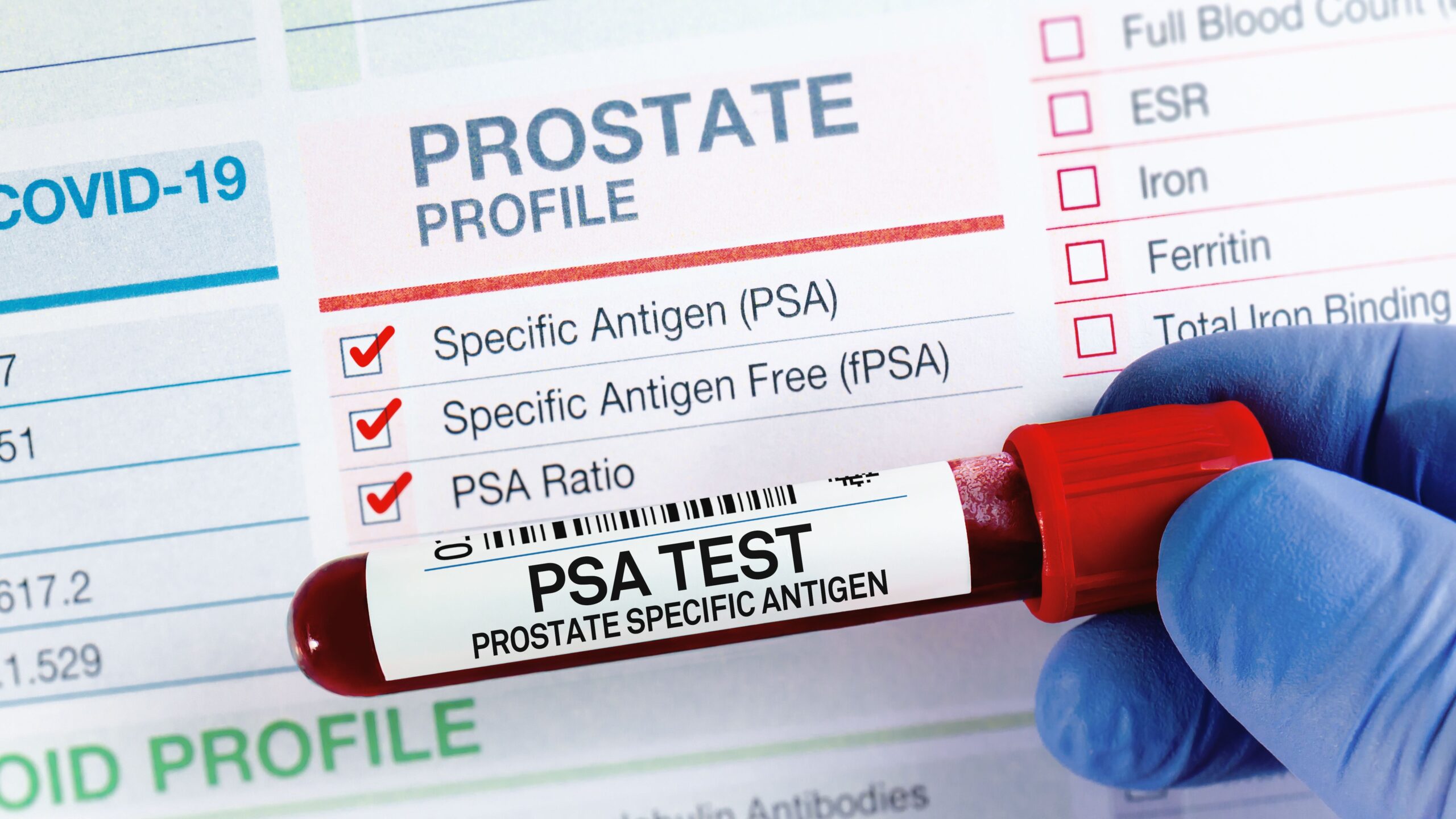
For men worried about prostate cancer, talk with your health care provider about the benefits and risks of PSA testing. Black men and those with a strong family history should begin that conversation in their 40s. New urinary symptoms are often not cancer, but they still deserve attention, as does blood in the urine or semen, unexplained weight loss and/or persistent back or bone pain
For men living with advanced prostate cancer, there is reason for hope. There are more treatments and better testing than there were a decade ago, and good care pays attention to how a man feels, not just to what his scans show
Get inspired by a weekly roundup on living well, made simple. Sign up for CNN’s Life, But Better newsletter for information and tools designed to improve your well-being
See all topics
