


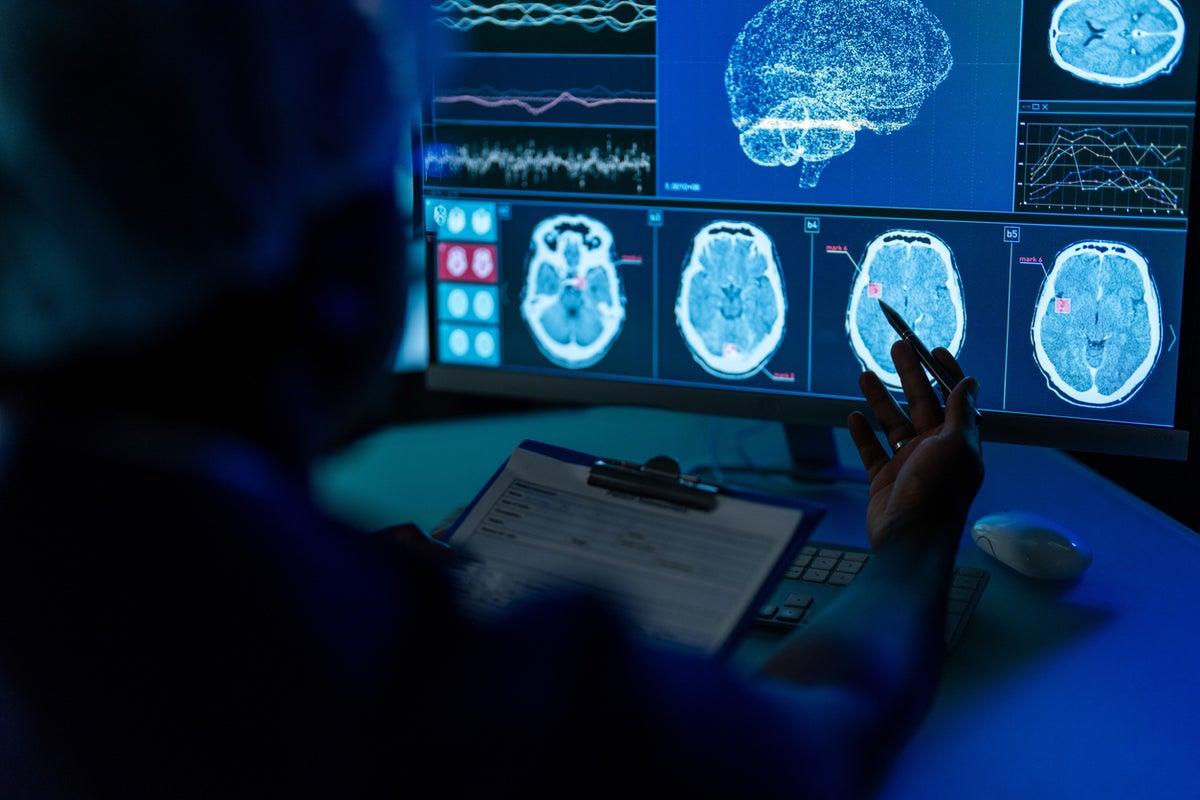
Cerebral small vessel disease (CSVD), which notably increases the risk of stroke and cognitive disorders, is estimated to affect more than 5 million people in France alone. In the absence of a curative treatment, the prevention of cardiovascular risk factors remains the most effective strategy today. However, promising new therapeutic avenues are being explored
Cerebral small vessel disease is a chronic condition that affects the smallest arteries of the brain, those that continuously supply the deep regions essential for memory, attention, and coordination
Over time, these vessels become stiffer, thicken, or become more fragile and permeable. The consequences of this situation are far from insignificant, since cerebral small vessel disease promotes strokes, cognitive disorders, walking difficulties, as well as loss of independence
In France, cerebral small vessel disease is estimated to affect more than 5 million people aged 65 and over. To date, no treatment is available to cure it
In Bordeaux at the Laboratory of Cardiovascular Disease Biology, directed by Thierry Couffinhal, and the Vascular Brain Health Institute (founded by Stéphanie Debette, now Director of the Brain and Spine Institute), we are trying to gain a better understanding of the origin of the disease. Here is what we currently know about it
A disease that is difficult to detect
When the small arteries supplying the brain are affected by cerebral small vessel disease, the brain receives less oxygen and fewer nutrients than it needs
In addition, the cells lining these blood vessels contribute to the formation of the blood-brain barrier (BBB), a structure that is essential for brain health. This barrier normally acts as a highly selective filter between the blood and the brain. When it becomes more permeable, unwanted substances can enter the brain tissue and contribute to its gradual deterioration
Cerebral small vessel disease is often silent in its early stages. It is not uncommon for it to progress for years without any striking signs, and the first indications of its presence may be subtle: slowed thinking and balance disorders, cognitive fatigue, or unusual forgetfulness. It can also lead to strokes
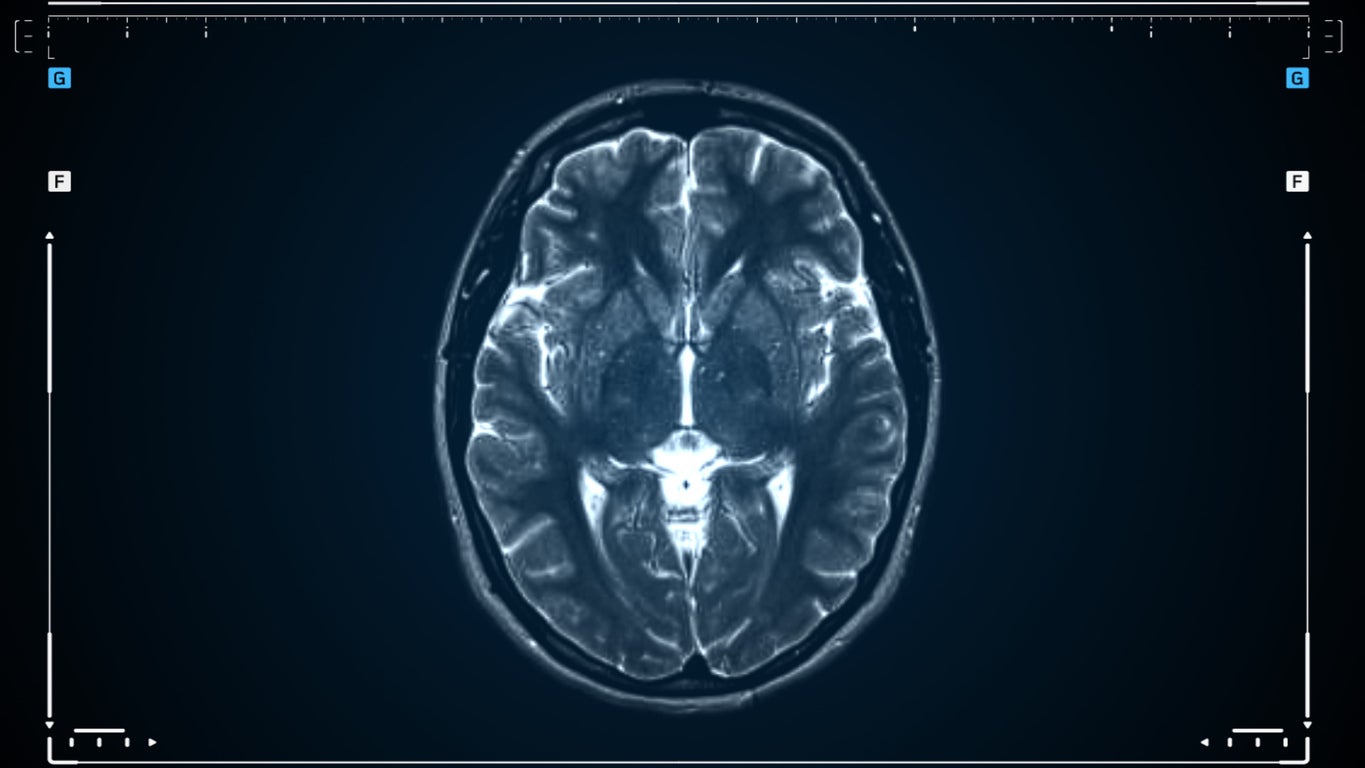
To detect it, brain magnetic resonance imaging (MRI) remains the reference tool today. It makes it possible to observe characteristic lesions, sometimes present even before the first symptoms, such as microbleeds, lacunes (small cavities indicating previous small vessel damage), and above all white matter hyperintensities, in other words abnormalities that reflect chronic damage to brain tissue
As a reminder, white matter, which accounts for nearly half of the brain’s volume, is the part corresponding to the network of nerve fibres. These fibres can be viewed as ‘highways’ that allow electrical signals to travel between the different regions of the brain
Treatments are still too limited
To date, there is still no drug specifically designed to cure cerebral small vessel disease. However, lesions can be detected several years before symptoms appear, and their progression can be slowed through early management of cardiovascular risk factors
It is known that certain diseases, such as diabetes, cardiovascular disease, or chronic kidney disease, appear to promote the worsening of small vessel lesions in the brain
No systematic screening is currently planned, mainly because the diagnosis relies essentially on MRI, an expensive examination that is difficult to extend to the entire population
Doctors mainly focus on the factors that scientific research has shown can influence the risk of developing the disease, including high blood pressure, diabetes, and cholesterol, as well as smoking and physical inactivity
Although prevention is essential, it does not directly target the biological mechanisms that damage the brain’s small blood vessels
These mechanisms are still poorly understood, but among the main hypotheses proposed to explain the development of the disease are dysfunction of the cells lining the inside of blood vessels (endothelial cells), disruption of the blood-brain barrier, chronic inflammation, and oxidative stress. This latter phenomenon, which could be compared to “biological rust”, gradually damages blood vessels
It is precisely at this level that our research is focused. Our recent work provides new insight into the mechanisms of the disease, opening up new therapeutic perspectives
A new avenue: protecting blood vessels from within
To better understand cerebral small vessel disease, we have undertaken to dissect its mechanisms at the cellular and molecular levels. Our ambition is to move from preventive medicine to a form of medicine capable of directly repairing and protecting the brain’s microvessels
Our research has led to the identification of a promising target called TRIM47 (TRIpartite Motif containing 47). We have demonstrated that this protein plays a protective role in endothelial cells by helping to maintain vascular integrity and limiting the effects of oxidative stress
The protective action of TRIM47 appears to operate through one of the body’s main antioxidant defence systems, the NRF2 signalling pathway. When this pathway functions properly, the cell activates its own repair and detoxification mechanisms
However, various research findings suggest that the effectiveness of this protective response declines with age, making cells more vulnerable to oxidative stress
We are now seeking to determine to what extent this alteration contributes to the development of cerebral small vessel disease and which genetic or environmental factors may influence it
The objective is no longer simply to treat symptoms, such as lowering blood pressure, but to strengthen the natural defence mechanisms of cerebral blood vessels. The aim is to treat the disease at its impairment
To achieve this, one approach under consideration is to increase the activity of the TRIM47/NRF2 pathway, and therefore the antioxidant pathway, in the hope of preserving the blood-brain barrier and protecting neurons
Two complementary strategies are currently being explored: developing new molecules that target this protective pathway or repurposing existing drugs that may act on these mechanisms
Targeting messenger RNA to treat the disease
Our first therapeutic strategy consists of targeting messenger RNA (mRNA), a molecule that acts as a kind of “assembly blueprint” for protein production within cells, in order to reduce the production of a protein called
KEAP1
Indeed, KEAP1 inhibits the activity of the TRIM47/NRF2 cellular protection system. By removing this inhibition, we hope to strengthen the natural defences of cerebral blood vessels against the mechanisms of ageing and degeneration
To achieve this objective, we are developing molecules known as antisense oligonucleotides (ASOs), designed to specifically recognise KEAP1 messenger RNA and reduce its expression. These ASOs are chemically modified to improve their stability within the body and to promote their delivery to cerebral blood vessels and brain cells
This highly precise work requires identifying the most effective therapeutic sequence, optimising its chemical properties and method of administration, and then verifying that it efficiently reaches its target in the brain before evaluating its ability to preserve vascular health and brain function
To translate this biological discovery into a potential treatment, we are working with teams of chemists in Bordeaux from the European Institute of Chemistry and Biology and the Nucleic Acids: Natural and Artificial Regulations Laboratory, experts in the design and synthesis of RNA targeting molecules
These close collaborations between biologists and chemists are essential for moving from the understanding of a fundamental biological mechanism to the development of innovative drug candidates that are more targeted, more effective, and potentially better tolerated
Repurposing existing drugs
Another promising avenue is to test drugs that are already marketed for other indications, such as multiple sclerosis, and that are known to cross the blood-brain barrier and activate the NRF2 pathway, a mechanism associated with antioxidant and anti-inflammatory protective effects
This strategy, known as drug repurposing, offers a major advantage: it can save several years of research because these compounds already have established human safety data
As a result, if preclinical studies in the research laboratory prove successful, clinical trials in patients could be initiated more rapidly than would be possible for an entirely new drug
This would make it possible to provide patients with a new therapeutic option more quickly while also reducing research and development costs
Hope in the face of brain ageing
For the first time, new therapeutic strategies may eventually make it possible to act directly on some of the mechanisms involved in cerebral small vessel disease, one of the leading causes of age-related cognitive decline
This research is still at the preclinical stage, and several validation steps will be required before any application in humans can be considered
About the author
Claire Peghaire: Docteur en pharmacie et enseignant chercheur en physiologie vasculaire, Université de Bordeaux. This article was first published by The Conversation and is republished under a Creative Commons licence. Read the original article
The conviction guiding our research is that by protecting the brain’s blood vessels, we also protect memory, independence, and quality of life. Better treatment of cerebral small vessel disease could ultimately mean fewer strokes, less dependency, and more years of healthy living
While waiting for targeted treatments to become available, certain measures have already demonstrated their effectiveness in preserving brain health: controlling blood pressure, engaging in regular physical activity, avoiding tobacco, adopting a balanced diet, and maintaining an active social and intellectual life
These are simple recommendations, but they remain among the most effective ways of providing long-term protection for the brain
