



- Ageing populations are prompting manufacturers to develop products that support long-term wellbeing rather than simply respond to illness
- Research increasingly points to lifelong dietary habits – not single ingredients – as the strongest foundation for healthy brain ageing
- Familiar ingredients, accessible packaging and better nutritional profiles could prove more valuable than chasing the latest superfood trend
Children have long shaped the snack aisle. Cartoon characters, lunchbox formats and sweet treats have dominated product development for decades. More recently, Millennials and Gen Z helped turn protein, gut health and energy into billion-pound functional categories
Now another generation is beginning to influence innovation
According to the World Health Organization (WHO), the number of people aged 60 years and over is expected to double to 2.1 billion by 2050, while more than 55 million people worldwide are already living with dementia. As governments look for ways to help people remain healthier for longer, researchers are paying increasing attention to the role everyday diets could play in supporting healthy ageing
That raises an important question for snack manufacturers: what should the next generation of functional snacks actually look like?
Instead of asking how to sell another protein bar to gym-goers, product developers are beginning to ask a different question: what should a snack look like for someone in their sixties, seventies or eighties who wants to remain mentally sharp, physically active and independent?
Enter the science
Although researchers have approached healthy brain ageing from different directions, many have arrived at remarkably similar conclusions. Whether it’s the Mediterranean diet,the MIND diet or the latest review from Semmelweis University, the emphasis is increasingly on eating patterns rather than individual foods. Berries, nuts, whole grains, cocoa, olive oil and other plant-based ingredients appear repeatedly throughout the evidence
What was once largely the preserve of healthcare is rapidly moving into the food industry. Healthy ageing is emerging as one of functional snacking’s next commercial frontiers

Protein bars aren’t disappearing anytime soon. Nor are snacks targeting energy, gut health or satiety. But a new area of functional nutrition is beginning to attract attention as populations age: cognitive health
Mintel has identified healthy ageing as one of the key forces shaping food and drink innovation, while Innova Market Insights has highlighted cognitive health and positive nutrition among the fastest-growing areas of functional food development. Although supplements still dominate the category, mainstream food and beverage manufacturers are increasingly exploring products formulated with ingredients linked to brain health
Researchers are approaching the challenge from different angles, yet many are highlighting the same foods. The recent Semmelweis University review identified polyphenol-rich ingredients such as berries, cocoa, green tea, coffee and extra virgin olive oil as promising components of diets associated with healthy brain ageing
The MIND diet similarly emphasises berries, nuts, whole grains, beans and leafy vegetables, while other research has examined the potential role of nutrients including omega-3 fatty acids, vitamin E, choline and cocoa flavanols in supporting normal cognitive function
No single ingredient has been shown to prevent dementia or slow Alzheimer’s disease, making careful positioning essential. The strongest commercial opportunities are likely to come from products inspired by established dietary patterns and supported by credible science, rather than bold cognitive-health claims
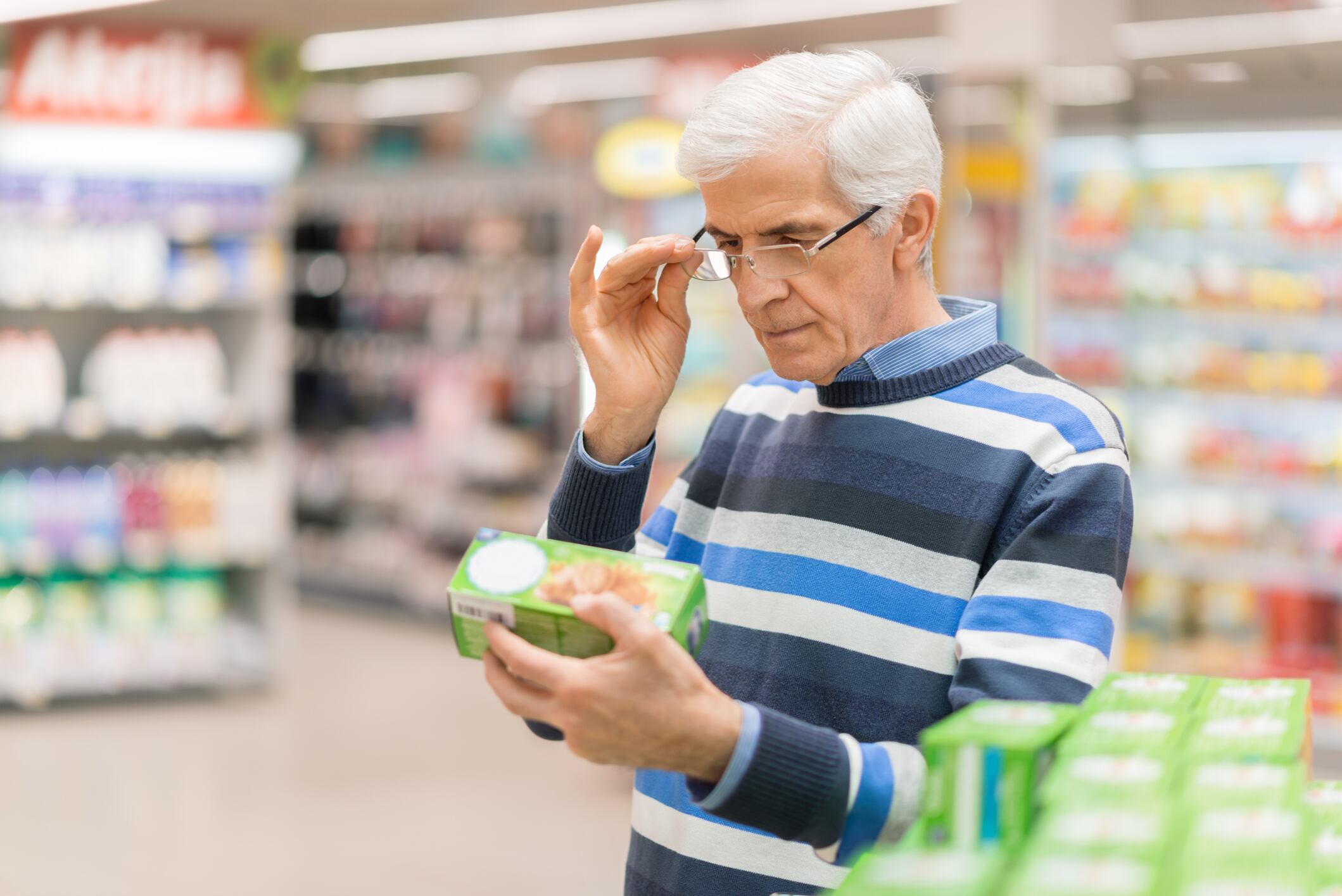
Healthy ageing isn’t only about ingredients. Texture, bite size, packaging and portion control are becoming increasingly important as producers recognise that older consumers often have different physical needs from younger shoppers
Easier-to-chew bakery products, softer cereal bars, bite-sized snacks, resealable packs and clearer on-pack information can all improve accessibility without making products feel clinical. Packaging itself is also coming under greater scrutiny
Easy-open formats, resealable closures, larger fonts, stronger colour contrast and packs that are easier to grip can all make products more accessible for consumers experiencing reduced strength, dexterity or vision, while remaining convenient for shoppers of every age
At the same time, nutrient density is becoming more important. Rather than simply increasing protein or reducing sugar, manufacturers are exploring ways to deliver fibre, healthy fats, vitamins and plant compounds within portions that suit changing appetites
The challenge is to integrate those design features without making products look medical or age specific. Packaging that feels intuitive, premium and inclusive is likely to appeal to a much broader audience than products overtly marketed towards older consumers
Designing for healthy ageing doesn’t mean designing for frailty. It means recognising that consumers want products that help them stay active and independent without sacrificing enjoyment
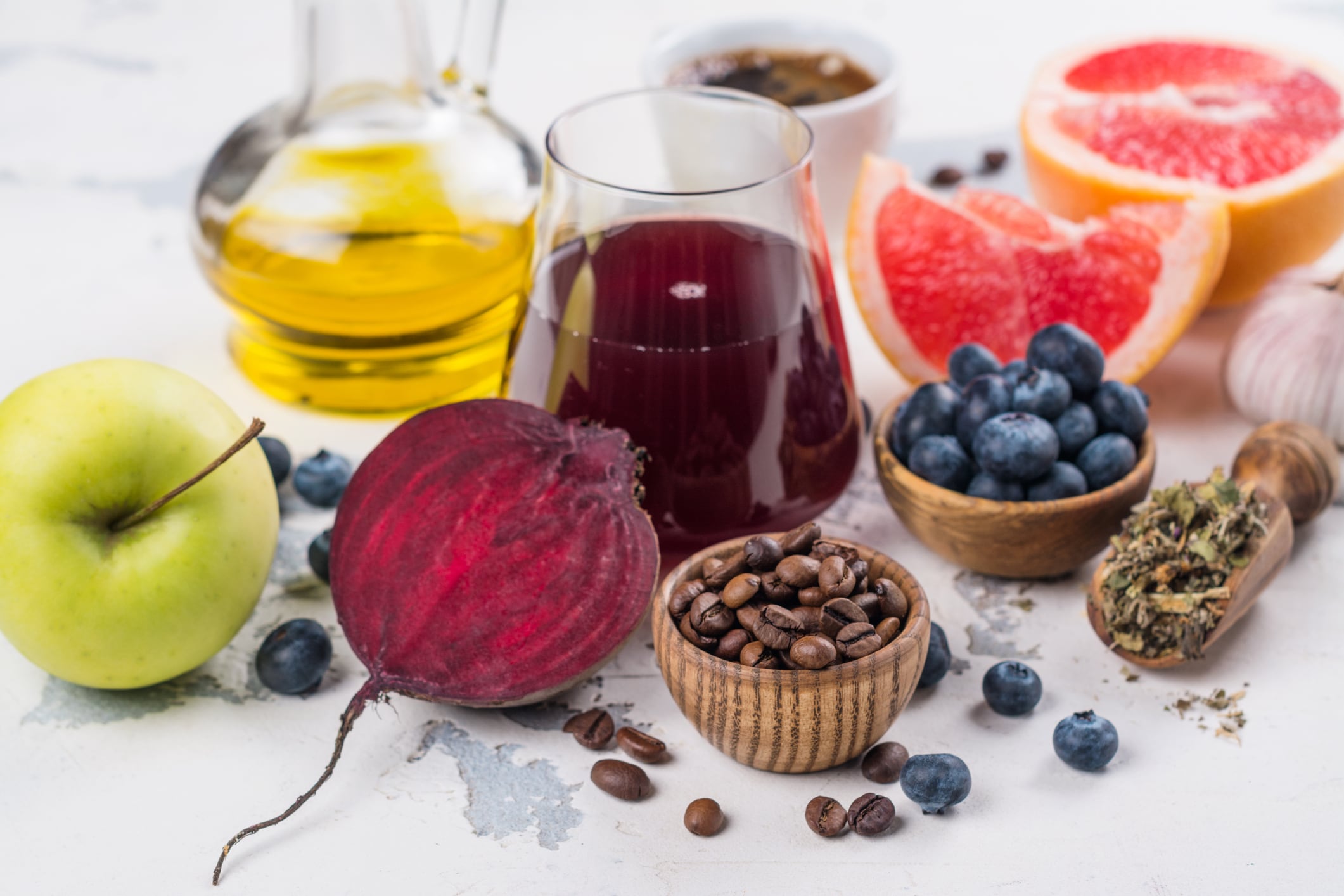
The latest research isn’t pointing manufacturers towards obscure botanical extracts or newly discovered superfoods. Instead, it’s strengthening the case for ingredients that already have a place in many bakery and snack formulations
The recent review from Semmelweis University highlighted polyphenol-rich foods as part of dietary patterns associated with healthy brain ageing. Rather than identifying a single ‘brain food’, the researchers concluded that variety and consistency appear to matter most
And healthy ageing through nutrition isn’t only relevant to older consumers. Research published in Clinical Nutrition in June found that healthy adults aged 20-25who consumed a daily cranberry drink rich in polyphenols for 12 weeks demonstrated improvements in short-term and phonological memory, as well as reduced cortisol levels, compared with a placebo group
The findings suggest ingredients associated with cognitive health could appeal to a much broader audience than retirees, opening opportunities for products positioned around everyday mental performance as well as long-term healthy ageing
That could make innovation simpler than many manufacturers expect. Freeze-dried berries can add both visual appeal and nutritional value to cereals, granolas and snack bars. Higher-cocoa chocolate offers an alternative to sugar-led indulgence, while ingredients such as matcha, coffee and olive oil already have strong consumer recognition and established supply chains
There’s another commercial advantage, too. Consumers don’t need to be introduced to these ingredients or persuaded they’re safe to eat. Familiarity can help brands communicate a healthier proposition without relying on unfamiliar extracts, complicated scientific language or expensive novel ingredients

The MIND diet wasn’t developed as a blueprint for new product development, yet its underlying principles have obvious relevance for manufacturers. Consumers interested in healthy ageing aren’t looking for a single ‘brain food’. They’re looking for everyday foods that fit naturally into healthier eating habits
That changes the innovation challenge
Instead of asking which ingredient can carry the next functional claim, product developers need to think about how existing products contribute to a healthier overall diet. Wholegrain breakfast biscuits, higher-fibre cereal bars, seed crackers and snacks made with nuts, pulses or oats all have the potential to align with the eating patterns highlighted by cognitive-health research without relying on niche ingredients or exaggerated health claims
It also favours reformulation over reinvention. Improving wholegrain content, increasing fibre, incorporating nuts and seeds, or replacing saturated fats with healthier alternatives may prove more commercially sustainable than chasing the latest superfood trend
Healthy ageing isn’t about creating an entirely new category of snacks. It’s about rethinking the nutritional profile of products consumers already buy

Historically, products associated with cognitive health have largely been sold to consumers already concerned about memory loss or age-related decline, with supplements dominating the category. Food manufacturers are increasingly entering the conversation much earlier, as research highlights the value of lifelong eating habits rather than late intervention
That changes both the audience and the proposition. A consumer in their forties or fifties isn’t looking for a product that promises to tackle cognitive decline. They’re more likely to choose foods that fit naturally into an active lifestyle while supporting long-term health
The MIND diet, the Mediterranean diet and the recent Semmelweis review all reinforce the same principle. None points to a quick fix or a single ingredient capable of protecting the brain. Instead, they suggest that consistent dietary habits built around familiar, nutrient-rich foods offer the greatest potential over time
Also read →Dignified food for seniors: Closing gaps in an ageing world
That presents a very different opportunity for manufacturers. Rather than developing products aimed at treating age-related concerns, the focus shifts towards helping consumers establish healthier eating habits years – perhaps decades – before those concerns arise
Innovation, therefore, may be driven less by the search for the next breakthrough ingredient than by improving the nutritional quality of the foods consumers already buy
Mazza E, Ferro Y, Pujia R, et al. Mediterranean Diet In Healthy Aging. J Nutr Health Aging. 2021;25(9):1076-1083. doi: 10.1007/s12603-021-1675-6. PMID: 34725664; PMCID: PMC8442641
Morris MC, Tangney CC, Wang Y, et al. MIND diet associated with reduced incidence of Alzheimer’s disease. Alzheimers Dement. 2015 Sep;11(9):1007-14. doi: 10.1016/j.jalz.2014.11.009. Epub 2015 Feb 11. PMID: 25681666; PMCID: PMC4532650
Mózes N, Varga JT, Szwajgier D, et al. (2026). Dietary Polyphenols in Brain Aging: Molecular Mechanisms and Implications for Neurodegeneration. Nutrients, 18(9), 1470. https://doi.org/10.3390/nu18091470
Kamarunzaman N, Le Sayec M, Li Y, et al. Effects of (poly)phenol-rich cranberry on mental health in university students: The CRANMOOD randomised controlled trial. Clinical Nutrition, 2026; 62
