


Scientists long thought that Neanderthals were avid meat eaters. Based on chemical analysis of Neanderthal remains, it seemed like they’d been feasting on as much meat as apex predators such as lions and hyenas. But as a group, hominins – that’s Neanderthals, our species and other extinct close relatives – aren’t specialized flesh eaters. Rather, they’re more omnivorous, eating plenty of plant foods, too
It is possible for humans to subsist on a very carnivorous diet. In fact, many traditional northern hunter–gatherers such as the Inuit subsisted mostly on animal foods. But hominins simply cannot tolerate consuming the high levels of protein that large predators can. If humans eat as much protein as hypercarnivores do over long periods without consuming enough other nutrients, it can lead to protein poisoning – a debilitating, even lethal condition historically known as “rabbit starvation.”
So, what could explain the chemical signatures found in Neanderthal bones that seem to suggest they were healthily eating tons of meat?
Advertisement
I am an anthropologist who uses elements such as nitrogen to study the diets of our very ancient ancestors. Researchmycolleagues and I published in 2025 suggests a secret ingredient in the Neanderthal diet that might explain what was going on: maggots
Isotope ratios reveal what an animal ate
The ratios of various elements in the bones of animals can provide insights into what they ate while alive. Isotopes are alternate forms of the same element that have slightly different masses. Nitrogen has two stable isotopes: nitrogen-14, the more abundant form, and nitrogen-15, the heavier, less common form. Scientists denote the ratio of nitrogen-15 to nitrogen-14 as δ¹⁵N and measure it in a unit called permil
As you go higher up the food chain, organisms have relatively more of the isotope nitrogen-15. Grass, for example, has a very low δ¹⁵N value. An herbivore accumulates the nitrogen-15 that it consumes eating grass, so its own body has a slightly higher δ¹⁵N value. Meat-eating animals have the highest nitrogen ratio in a food web; the nitrogen-15 from their prey concentrates in their bodies
Advertisement
But maybe something else about their diet was inflating Neanderthals’ δ¹⁵N values
Uncovering the Neanderthal menu
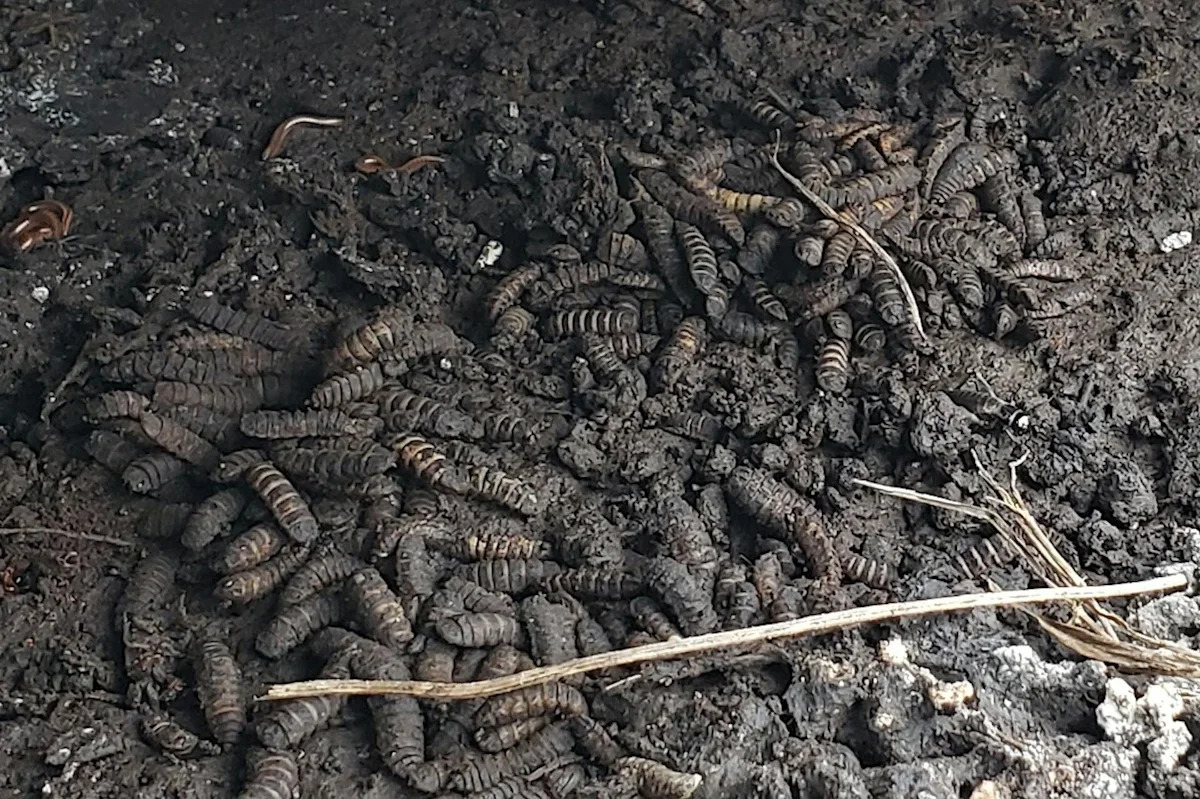
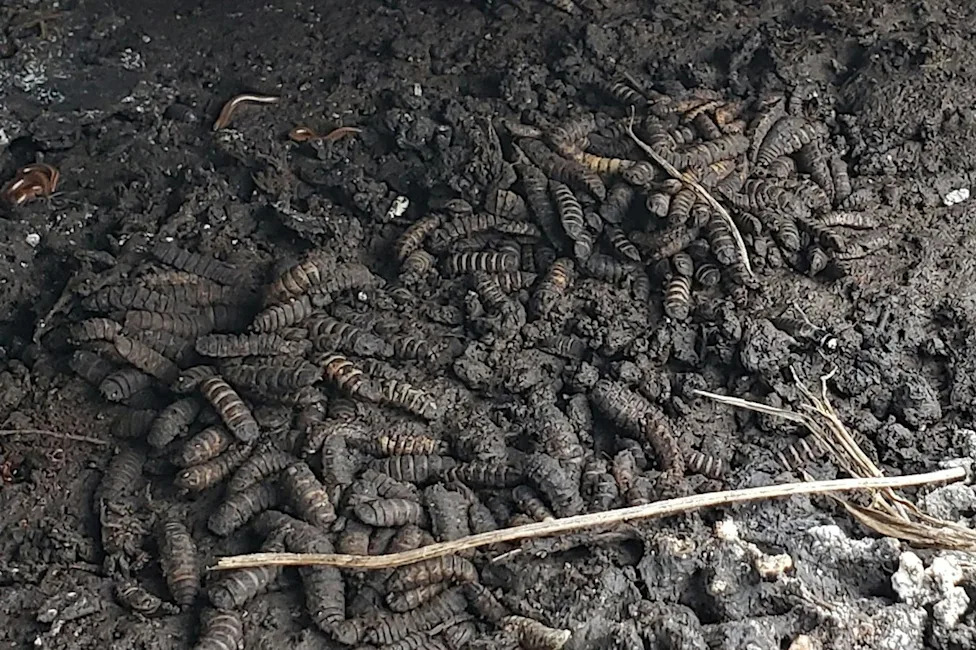
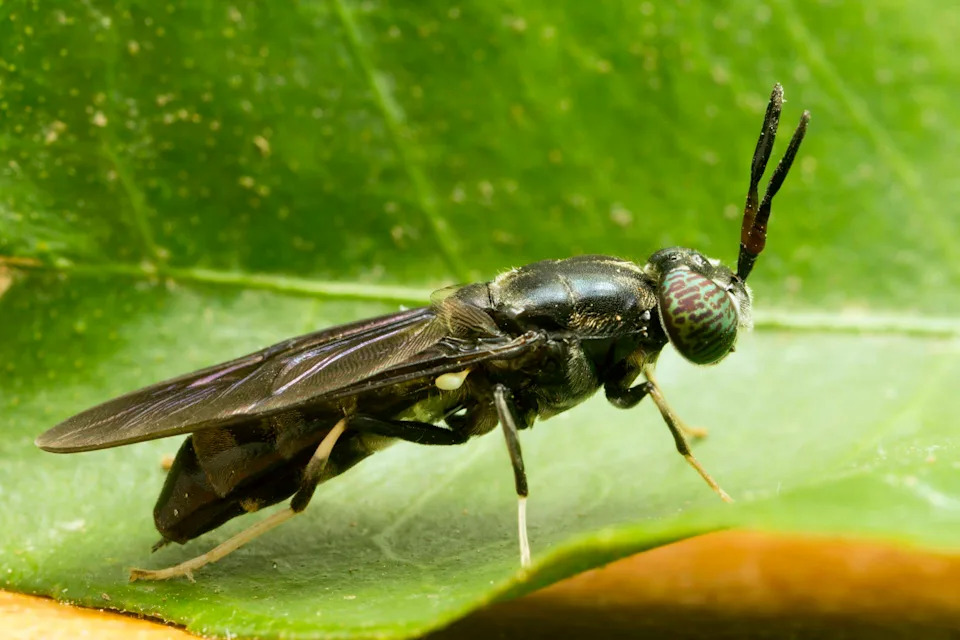
We suspected that maggots could have been a different potentialich are fly larvae, can be a fat-rich easily collectible in large numbers and nutritionally beneficial
To investigate this possibility, we used a dataset that was originally created for a very different purpose: a forensic anthropology project focused on how nitrogen might help estimate time since death
I had originally collected modern muscle tissue samples and associated maggots at the Forensic Anthropology Center at University of Tennessee, Knoxville, to understand how nitrogen values change during decomposition after death
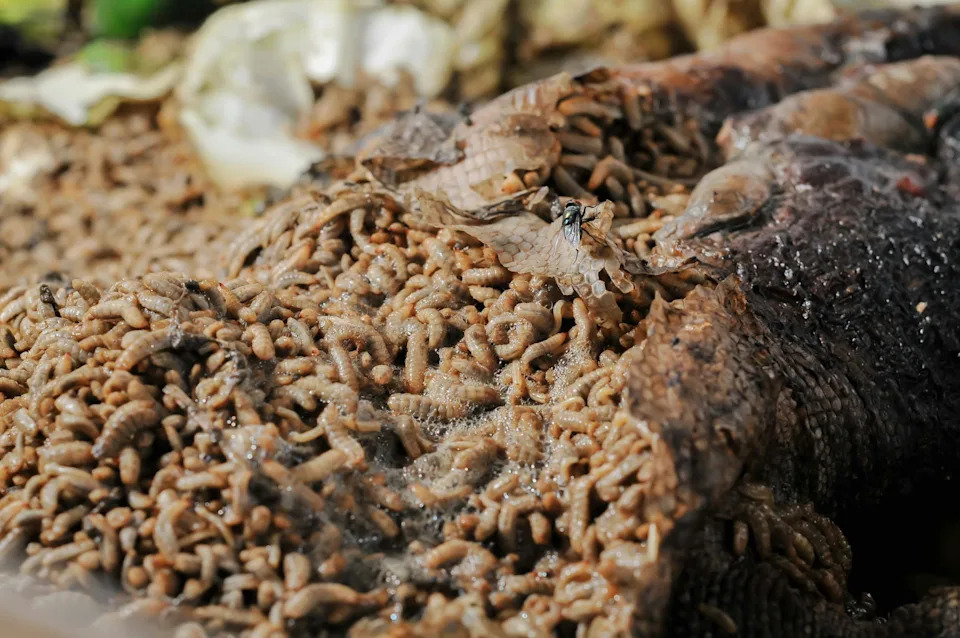
While the data can assist modern forensic death investigations, in our current study we repurposed it to test a very different hypothesis. We found that stable nitrogen isotope values increase modestly as muscle tissue decomposes, ranging from -0.6 permil to 7.7 permil
Advertisement
This increase is more dramatic in maggots feeding on decomposing tissue: from 5.4 permil to 43.2 permil. To put the maggot values in perspective, scientists estimate δ¹⁵N values for Pleistocene herbivores to range between 0.9 permil to 11.2 permil. Maggots are measuring up to almost four times higher
Our research suggests that the high δ¹⁵N values observed in Late Pleistocene hominins may be inflated by year-round consumption of ¹⁵N-enriched maggots found in dried, frozen or cached animal foods
Cultural practices shape diet
In 2017, my collaborator John Speth proposed that the high δ¹⁵N values in Neanderthals were due to the consumption of putrid or rotting meat, based on historical and cultural evidence of diets in northern Arctic foragers
Traditionally, Indigenous peoples almost universally viewed thoroughly putrefied, maggot-infested animal foods as highly desirable fare, not starvation rations. In fact, many such peoples routinely and often intentionally allowed animal foods to decompose to the point where they were crawling with maggots, in some cases even beginning to liquefy
Advertisement
This rotting food would inevitably emit a stench so overpowering that early European explorers, fur trappers and missionaries were sickened by it. Yet Indigenous peoples viewed such foods as good to eat, even a delicacy. When asked how they could tolerate the nauseating stench, they simply responded, “We don’t eat the smell.”
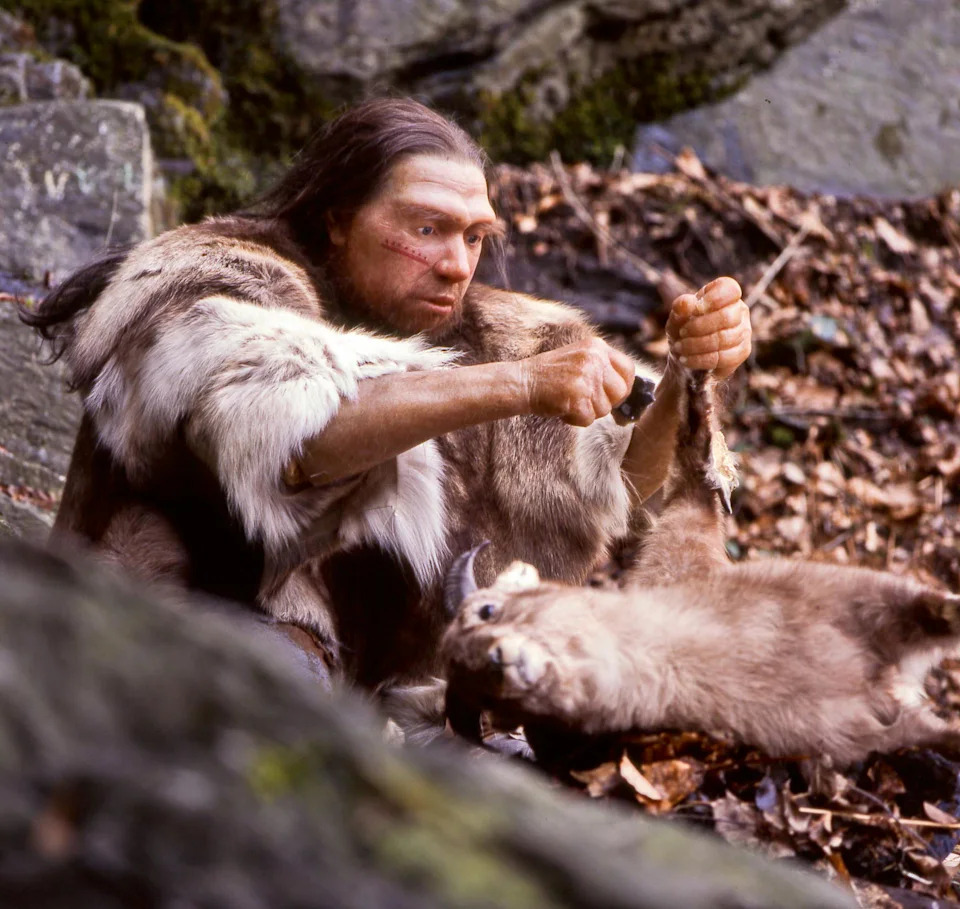
Neanderthals’ cultural practices, similar to those of Indigenous peoples, might be the answer to the mystery of their high δ¹⁵N values. Ancient hominins were butchering, storing, preserving, cooking and cultivating a variety of items. All these practices enriched their paleo menu with foods in forms that nonhominin carnivores do not consume. Research shows that δ¹⁵N values are higher for cooked foods, putrid muscle tissue from terrestrial and aquatic species, and, with our study, for fly larvae feeding on decaying tissue.
The high δ¹⁵N values of maggots associated with putrid animal foods help explain how Neanderthals could have included plenty of other nutritious foods beyond only meat while still registering δ¹⁵N values we’re used to seeing in hypercarnivores
We suspect the high δ¹⁵N values seen in Neanderthals reflect routine consumption of fatty animal tissues and fermented stomach contents, much of it in a semi-putrid or putrid state, <a href="https://healthylife7.com/new-festival-focused-on-wellbeing-brings-women-together-in-reading/” title=”New festival focused on wellbeing brings women together in Reading”>together with the inevitable bonus of both living and dead ¹⁵N-enriched maggots
What still isn’t known
Fly larvae are a fat-rich, nutrient-dense, ubiquitous and easily procured insect recent foragers, would have benefited from taking full advantage of them. But we cannot say that maggots alone explain why Neanderthals have such high δ¹⁵N values in their remains
Advertisement
Several questions about this ancient diet remain unanswered. How many maggots would someone need to consume to account for an increase in δ¹⁵N values above the expected values due to meat eating alone? How do the nutritional benefits of consuming maggots change the longer a food item is stored? More experimental studies on changes in δ¹⁵N values of foods processed, stored and cooked following Indigenous traditional practices can help us better understand the dietary practices of our ancient relatives.
This article is republished fromThe Conversation, a nonprofit, independent news organization bringing you facts and trustworthy analysis to help you make sense of our complex world. It was written by:Melanie Beasley,Purdue University
Read more:
Advertisement
Melanie Beasley received funding from the Haslam Foundation for this research
