


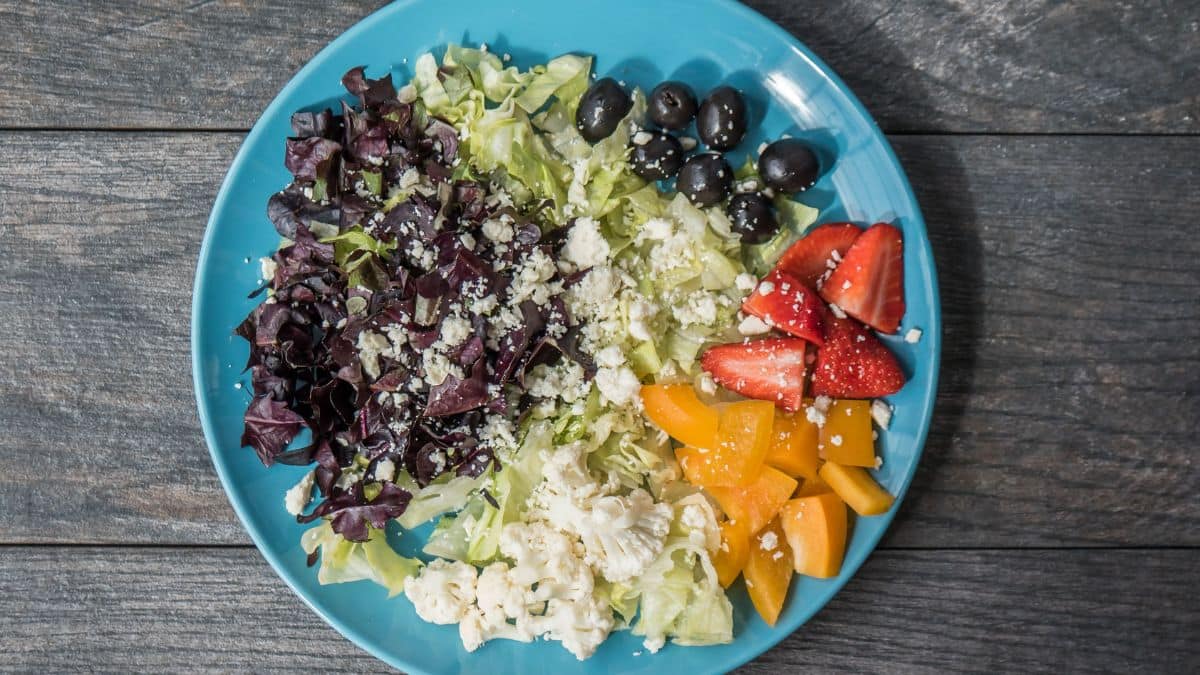
The idea of the “blue zones” diet often circulates as a neat formula for longevity
In reality, it is less a strict diet and more an observation of how people eat in regions where many live well into their 90s and beyond. Places such as Okinawa in Japan, Sardinia in Italy, Ikaria in Greece, Nicoya in Costa Rica and Loma Linda in the United States have drawn attention for their unusually high life expectancy
But what exactly do these communities eat, and how relevant is it for Indians today?
What the blue zones diet really looks like
The so-called blue zones diet is not prescriptive. It reflects a pattern seen across these regions. Plates are largely plant-based, filled with beans, lentils, vegetables, fruits, whole grains, nuts and seeds
Meat is eaten sparingly, often reserved for special occasions, while ultra-processed foods and excess sugar are largely absent
More from Lifestyle
How community-led mental health collectives sustain student protests amid India’s healthcare gapIs your smartphone giving you ‘texting thumb’?
“People often think of it as a trend, but it is simply a pattern of eating that has evolved naturally over time,” says Dr. Ashish Kumar, Cardiologist, Amrita Hospital, Faridabad. “It is not about restriction in the modern sense, but about prioritising whole, minimally processed foods and sensible portion sizes,” he adds
He further shares with Firstpost that the emphasis is not just on what is eaten, but also on how. “Meals are typically unhurried, shared with others and aligned with daily routines. That context matters.”
Quick Reads
View All
US pub are adding 20% tips to their bills. The FIFA World Cup 2026 is why
Leopard, tiger and cheetah seen together in India’s Ranthambore. Why it isn’t as rare as believed
Diet is only part of the longevity story
While food is central, it is not the sole explanation for longer life in these regions. Physical activity is built into daily life, social bonds are strong and stress levels tend to be lower
“Longevity in these communities cannot be attributed to diet alone,” Dr Kumar explains. “Regular movement, strong family and social connections, and lower chronic stress all contribute significantly. The diet supports these factors, but it does not act in isolation.”
This broader lifestyle context is often what gets overlooked when the diet is adopted elsewhere
Why cardiologists find it convincing
From a medical standpoint, the blue zones pattern aligns well with what is already known about heart health
“The biological mechanisms are quite clear,” says Dr Kumar. “Soluble fibre from foods like beans and oats can help reduce LDL cholesterol. Potassium-rich fruits and vegetables support blood pressure control. Nuts and seeds provide healthy unsaturated fats that are beneficial for cardiovascular health.”
He points to strong clinical evidence as well. “The PREDIMED trial is a good example. It showed that a Mediterranean-style diet supplemented with nuts or extra virgin olive oil reduced major cardiovascular events by about 30 percent in high-risk individuals compared with a low-fat diet. That is a significant finding and reinforces the value of this pattern.”
What this means for Indian diets
For Indians, adopting the principles of the Blue Zones diet does not require exotic ingredients or imported superfoods. In many ways, traditional Indian eating already aligns with these ideas
“We do not need to look outside our own kitchens,” Dr Kumar says. “Foods like dal, rajma, chana, millets, seasonal vegetables, fruits and nuts fit perfectly into this pattern.”
The real shift, he notes, lies in what to reduce. “The concern is the increasing intake of fried snacks, refined flour products, sugary beverages, processed meats and excessive salt. These are the factors driving metabolic and cardiovascular disease.”
He also highlights global dietary guidance. “The World Health Organization recommends at least 400 grams of fruits and vegetables per day. Most people fall short of this, and improving that alone can have meaningful health benefits.”
Small habits, long-term impact
One of the key takeaways from the Blue Zones research is consistency rather than perfection. There is no single food that guarantees a longer life
“Longevity is not built on one superfood or one diet plan,” Dr Kumar emphasises. “It is the result of habits practised consistently over decades. Eating more plant-based foods, staying active, managing stress and maintaining social connections all work together.”
In a world driven by quick fixes, that message may seem less appealing. But it is also what makes the approach realistic and sustainable
“Simple, everyday choices add up,” he says. “And over time, they can make a profound difference to both lifespan and quality of life.”
