


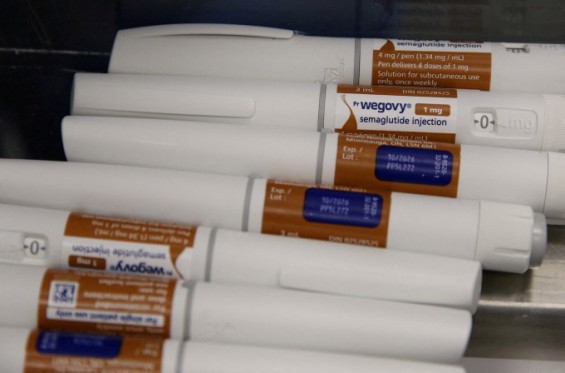
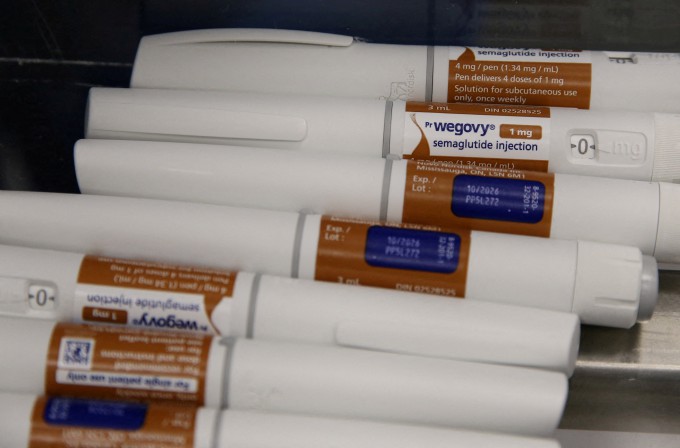
Wegovy, a GLP-1 receptor agonist obesity treatment. Provided by Yonhap News
As the use of glucagon-like peptide-1 (GLP-1) class obesity treatments such as Wegovy and Mounjaro increases, reports of side effects are drawing attention. A wide range of issues is being reported, from the well-known gastrointestinal problems to hair loss
On the 25th, the Guardian in the UK reviewed the side effects reported so far with major obesity treatments, along with the scientific evidence behind them
To begin with, gastrointestinal side effects such as nausea, vomiting, diarrhea and constipation are listed in patient information leaflets for GLP-1 drugs as ‘very common’ adverse reactions. Manufacturers explain that these symptoms generally subside over time
Scientists analyze that these side effects occur because the drugs fundamentally slow down the speed at which food moves through the digestive tract, delay gastric emptying, and affect the signals transmitted from the intestines to the brain
Last year, a study reported that diabetes patients using GLP-1 drugs could face a twofold higher risk of developing age-related macular degeneration. There have also been reports that some GLP-1 drugs may trigger a condition known as non-arteritic anterior ischemic optic neuropathy
Pharmaceutical companies acknowledge that eye diseases can also occur as side effects with some GLP-1 drugs. The patient information leaflet for Wegovy also mentions eye-related side effects, although they are considered very rare
Among women using GLP-1 drugs, numerous cases of unexpected pregnancy have been reported. One hypothesis is that GLP-1 medications might interfere with the effectiveness of oral contraceptives, but due to a lack of relevant research, the exact cause has yet to be clarified
The UK Medicines and Healthcare products Regulatory Agency (MHRA) clearly states that GLP-1 drugs should not be taken during pregnancy or immediately before attempting to conceive, as there is insufficient safety data to determine whether these drugs could harm the fetus
Recent research has suggested a link between GLP-1 drug use and hair loss in adults with type 2 diabetes. Patient guides for Mounjaro and Wegovy also list hair loss as a common side effect. However, the precise mechanism of alopecia has not been identified, and it has been suggested that metabolic changes and nutritional deficiencies associated with rapid weight loss may be a possible cause
Reports of changes in facial appearance after GLP-1 drug use—such as sunken eyes, wrinkles, facial aging and sagging skin—have been dubbed ‘Ozempic face’. These are seen as a consequence of rapid weight loss rather than a direct side effect of GLP-1 drugs. Ozempic is also a GLP-1-based diabetes medication
Similarly, ‘Ozempic foot’, in which the bones of the foot become more prominent and pain develops, has been interpreted as pain caused by reduced fat diminishing the cushioning function of the heel and ball of the foot. Changes in the appearance of the face or feet are not listed as separate side effects in patient information leaflets
Experts emphasize that while some GLP-1 drug side effects are supported by robust evidence, others remain limited to case reports and hypotheses, so decisions on whether to start or discontinue these medications should be made in consultation with healthcare professionals
Copyright ⓒ DongA Science. All rights reserved.
