


Lead
Want to Protect Against Cognitive Decline? A New Study Says to Change This 1 Eating Habit
Researchers found that shifting this one norm delivered surprising cognitive benefits
Jul 27, <a href="https://healthylife7.com/2026-browns-position-preview-specialists/” title=”2026 Browns Position Preview: Specialists”>2026
Photo: Adobe Stock
Listen to this ArticleMore info
0:00 / 0:00
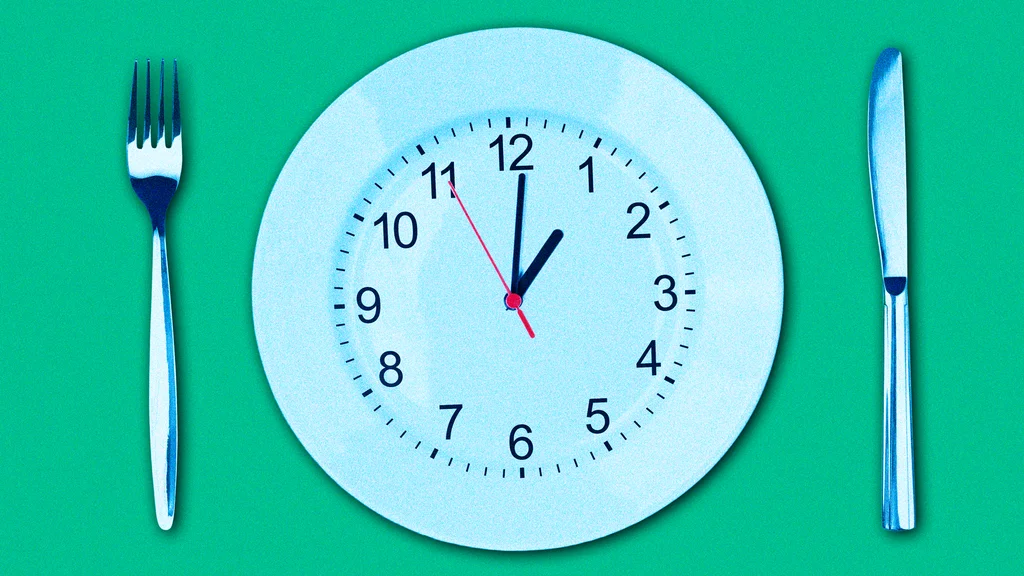
A new study just revealed that confining the time of your meals and snacks to stay in a nine-hour window may help prevent cognitive decline in older adults
The results suggest that dementia risk may be lowered by eating during fewer hours of the day. The small clinical trial involved a weight-loss program for overweight or obese older women. Participants who limited their daily eating window showed modest cognitive improvements
The findings were presented Sunday at NUTRITION 2026, the flagship annual meeting of the American Society for Nutrition. Sue Shapses, PhD, is a professor at Rutgers University and was the study’s principal investigator.
“Losing weight alone will ward off some of the aging-related cognitive decline, and these data suggest that there may be additional benefits if you stop eating four hours prior to going to sleep and reduce food intake to eight to night hours per day, compared to the usual eating window of 12 hours per day,” Shapses said in a statement
Featured Video
An Inc.com Featured Presentation
The finding is preliminary given the small sample size. However, if confirmed in larger studies, it suggests that people can protect their cognitive health by controlling when they eat—and avoid late-night snacking
The trial looked at 47 women ages 50 to 79 who were overweight or obese. They were encouraged to cut 500 calories from their daily diet for six months. Within the group, 26 were told to eat only within a nine-hour window, which typically meant eating between 10 a.m. and 6 p.m. The rest ate their meals over a 12-hour span
Shapses found that at the end of the trial, both groups had similar weight-loss results, averaging around 15 pounds each. However, cognitive tests showed that those who confined their eating to a specific period performed better than their peers who did not restrict their eating schedule.
