


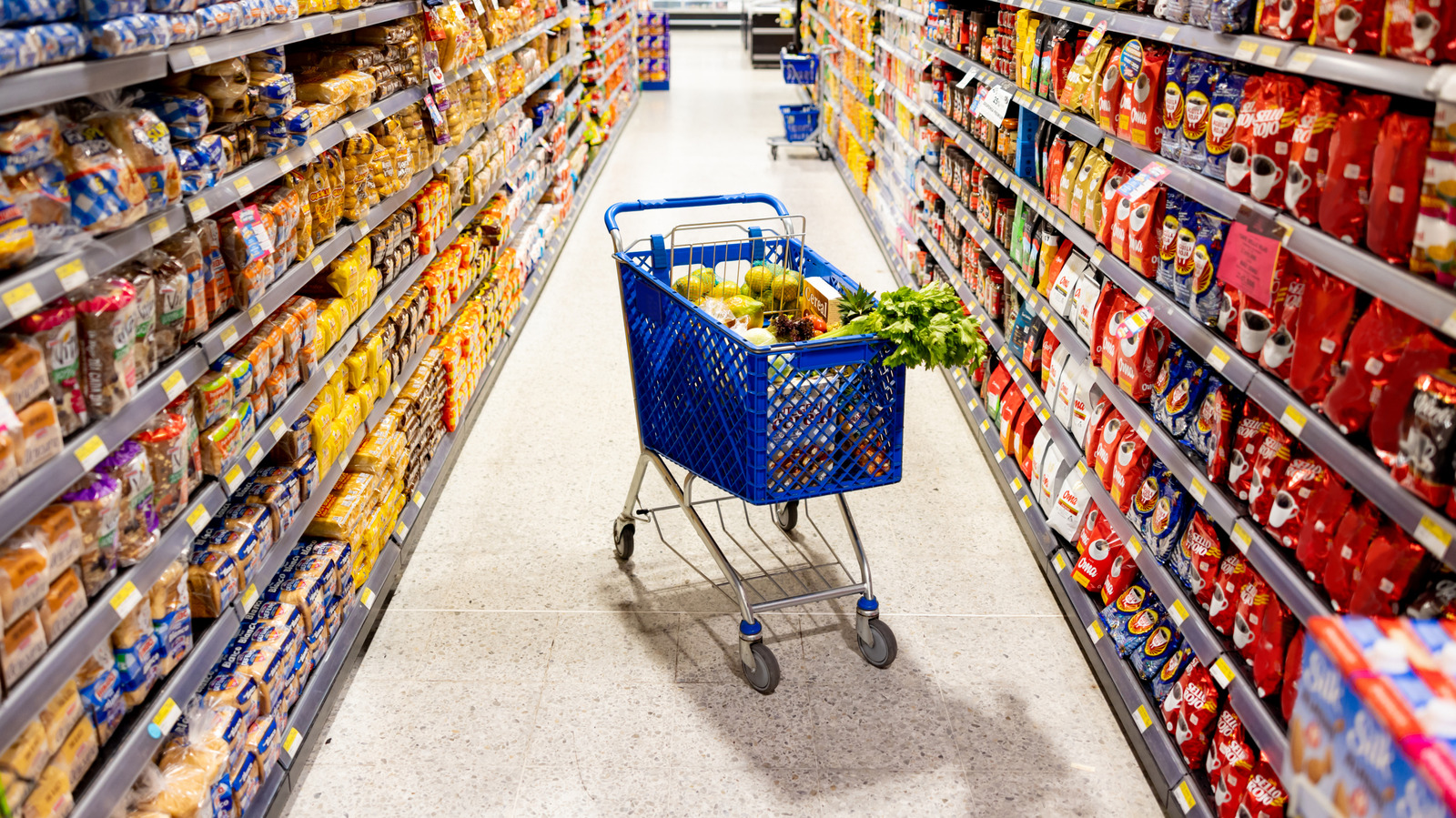
7 Processed Food Myths You Need To Stop Believing
By Neala BroderickJuly 27, 2026 8:20 am EST
We’ve been conditioned to think the word “processed” inherently means unhealthy, but it’s not so black and white, according to professionals in the industry. A diet built around whole foods like lean protein, fruits, and vegetables is always a healthy foundation, but that doesn’t mean every processed food is off-limits. I checked in with some experts, and they have a thing or two to share about the misconceptions
Rather than writing off entire categories of food, nutrition experts recommend taking a closer look at what you’re actually buying. Jason Heiselman, director of culinary at Hungryroot, says consumers often misunderstand what processing really means, while Jen Ross, co-founder of Swoon, encourages shoppers to look beyond front-of-package marketing claims and instead focus on ingredient lists, added sugars, and nutritional value. Understanding what’s on the inside is much more important than judging the label by snappy buzzwords alone. Convenience doesn’t have to come at the expense of nutrition. Before you swear off another frozen dinner or packaged snack, here are seven processed food myths that deserve to be put to rest.
All processed foods are unhealthy
Digital Vision./Getty Images
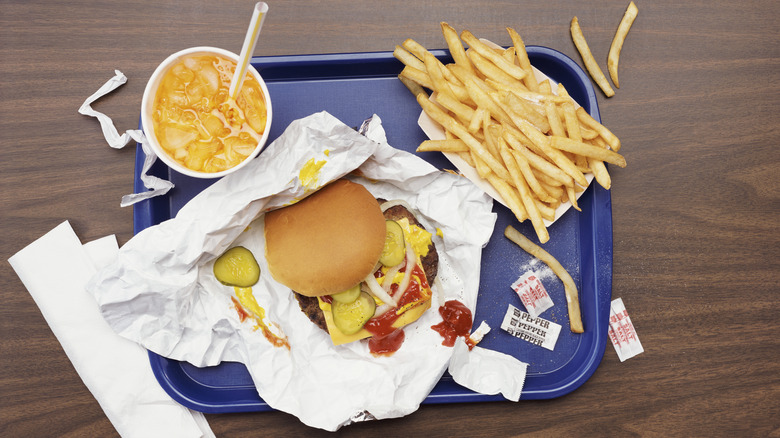
Processing doesn’t always end in American cheese products and tubes of sugary yogurt. Flash-freezing vegetables, pasteurizing milk, canning beans, grinding oats, and bagging washed greens all fall under the processing umbrella. When I asked Jason Heiselman what widespread processed food myth he finds most frustrating, he was quick to respond. “That ‘processed’ equals ‘bad.’ Freezing, fermenting, milling flour, even chopping a carrot, is technically processing,” says Heiselman. “By that logic, my knife skills make me a food scientist. The real question is how far something got engineered away from its original form, not whether it touched a machine.”
That distinction is worth noting when we’re comparing a can of chickpeas with gas-station cheese puffs. Both may be “processed,” but they sit at opposite ends of a very long spectrum. Judging every packaged item by the same blanket label ignores everything that actually determines whether a food is nutritious or not. The real questions to consider are what’s in it, how much it’s been altered, and what it’s meant to do for your body. Don’t just skim for a forbidden word (processed)
If you can’t pronounce the ingredients, it’s bad for you
Sia Footage/Shutterstock
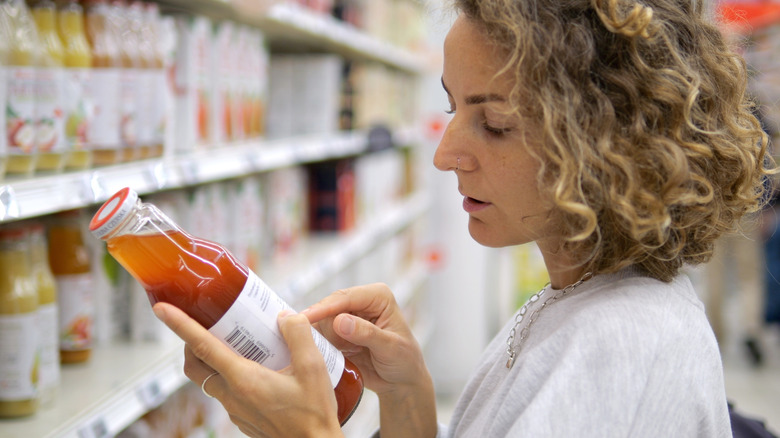
A long or unfamiliar-sounding ingredient list can feel like a red flag, but scientific names aren’t inherently sinister. Plenty of perfectly safe ingredients have scientific names simply because they’re listed by their chemical or botanical names rather than their common ones. Ascorbic acid and tocopherols are simply forms of vitamins C and E, respectively. Lecithin is a naturally occurring emulsifier found in eggs and soybeans, while xanthan gum is a thickener produced through fermentation
That doesn’t mean ingredient lists should be ignored altogether, but experts recommend looking at the bigger picture instead of getting hung up on unfamiliar names. Food additives often serve important purposes beyond simply stretching out your meal’s shelf life. Some help preserve nutrients, maintain texture, prevent spoilage, or reduce the risk of foodborne illness. A short ingredient list isn’t always a sign of better nutrition, and just because you don’t know what something is doesn’t mean it’s bad for you. The presence of a single scientific-sounding name isn’t a reason to put something back on the shelf. If you make it a habit to understand what ingredients actually do to a product, it will be a lot easier to skim nutritional labels and understand what you’re putting on your plate.
Processed foods don’t have any nutrients
Ekkachaihirunya/Getty Images
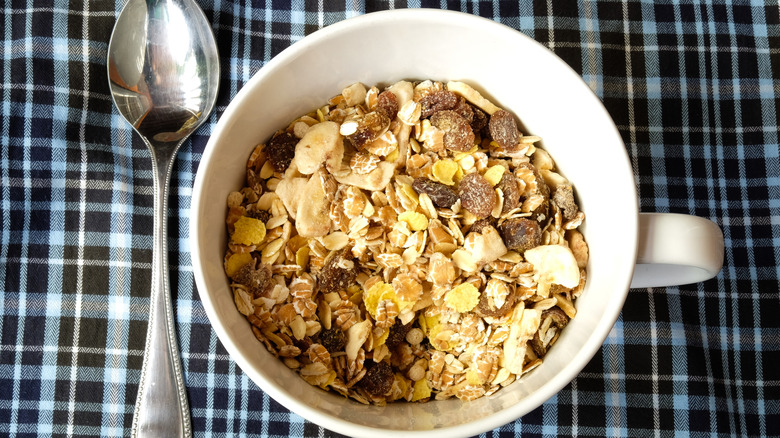
Plenty of ultra-processed foods — fortified cereals, protein bars, some plant-based milks — are deliberately engineered to fill nutritional gaps rather than create them. Milk fortified with vitamin D, plant milks boosted with calcium, and flour enriched with folic acid have all played a documented role in reducing nutrient deficiencies across entire populations. Especially with trending eating habits for busy folks
The key is just knowing where to look. As Jen Ross explains, “First, look at added sugars specifically. Not just total sugars, but the added sugars.” It’s easy to fall for the “no added sugars” line on packaging when it could be a naturally sugary food. Ross recommends tracking down the sweetener source before wasting time reading the rest of the label. “I like to see if there are any vitamins or nutrients that accrue to my daily intake,” she added. A packaged food’s nutrient profile isn’t something you can guess at from the word “processed” alone — it’s printed right on the label. Some processed foods are genuinely stripped of nutritional value, lacking even an inkling of vitamins, while others could be doing more for your daily nutritional intake than the so-called clean or organic alternative sitting next to them. The only way to know the difference is to actually check out the nutritional information on the back.
Healthy eating means cooking everything from scratch

New Africa/Shutterstock
Entirely homemade meals might consistently taste better, but they’re not automatically healthier. A from-scratch brownie can carry more butter and sugar than a store-bought one, and the same goes for cream-heavy pastas and casseroles — it’s easy to lose track of how much saturated fat or sugar goes into a dish when you’re the one adding it teaspoon by teaspoon. Packaged foods, by contrast, are legally required to disclose exactly what’s inside. “When it comes to convenience, this is where most healthy eating advice falls apart,” Jen Ross says. “Most of us don’t have time to cook everything from scratch all the time.”
Nutrition ultimately comes down to ingredients and portion size, not who or what assembled the dish. For most people, convenience foods are what actually make consistent healthy eating possible on a real schedule — rotisserie chicken, pre-washed salad kits, canned mixed beans, microwavable grains. These shortcuts aren’t a compromise on health; for busy home cooks, they’re often the thing that makes hitting nutritional needs realistic in the first place. Scratch-cooking is a nice ideal, but it isn’t a prerequisite for eating well.
Sugar-free always means artificial sweeteners

Bauwimauwi/Getty Images
A “sugar-free” label only confirms one thing: no sugar was added. It says nothing about what replaced the sweetness. “Sugar-free just means no added sugar; it doesn’t say what’s covering the shift,” Jason Heiselman explains. “Sometimes that’s an artificial sweetener, sometimes it’s fruit or vegetables doing the heavy lifting, sometimes there’s just less sweetness, period. Check the ingredients, not the label bragging on the front.”
Jen Ross has lived this gap firsthand after being diagnosed with Type 1 diabetes. “I’d pick up a ‘zero-sugar’ lemonade, read the ingredients, and find artificial sweeteners,” she says. “Many people assume this is just the trade-off, but it doesn’t have to be.” Swoon, the brand she co-founded, uses monk fruit and stevia leaf instead — alternative sweeteners that come from plants rather than a lab. “Sugar-free” and “artificially sweetened” aren’t synonyms, even though marketing often lets them blur together. Many drinks marketed as healthy are actually loaded with sugar. “A green juice, a kombucha, an iced tea from a coffee shop — these can have as much sugar as a soda, sometimes more,” shared Ross.
Frozen fruits and vegetables are less nutritious than fresh
Yevhen Prozhyrko/Shutterstock
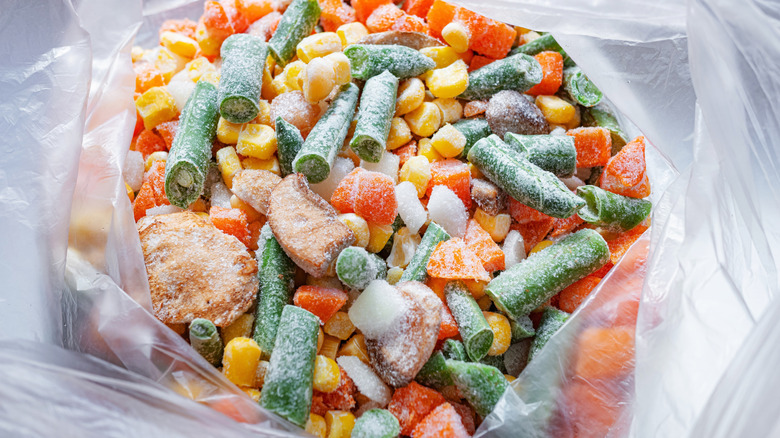
Frozen produce is typically flash-frozen at peak ripeness, immediately after harvest, locking in vitamins and minerals at their highest point. “Fresh” produce, meanwhile, often spends days or weeks in transit and storage before it ever reaches a kitchen, during which time nutrient levels can quietly decline.
Many shoppers don’t realize this. A bag of frozen spinach picked and frozen within hours may retain more vitamin C and folate than a bunch of questionably fresh spinach that traveled across state lines and sat in a produce aisle for a week mid-summer. Fresh produce, especially in season and sourced locally, will always be the optimal choice for vegetable-centered dishes, but bags of frozen veggies shouldn’t be bullied. The frozen aisle isn’t a nutritional downgrade. In fact, it’s a great avenue for anyone looking to add more vegetables to their diet without the fear of letting fresh produce rot away in the crisper drawer. It’s frequently the smarter buy, nutritionally and financially.
Organic processed foods are automatically healthier

Bhofack2/Getty Images
The word organic refers to how ingredients were farmed — not how nutritious the finished product is. That distinction gets lost easily, especially on packaging designed to make “organic” and “healthy” feel interchangeable. But, in the end, organic cookies are still cookies. Organic snack foods can carry just as much added sugar, refined flour, and saturated fat as their conventional counterparts
This ties back to a broader piece of advice Jason Heiselman offered on nutrition claims in general: “That there’s a ‘clean’ way to eat and everything else is cheating. Nobody’s diet needs a confession booth. The best diet is the one you’ll actually eat again tomorrow. Chasing perfect loses to consistent every single time.” An organic label is a legitimate signal about farming practices, pesticide use, and how an ingredient was grown — and for shoppers who prioritize that, it’s worth seeking out. Just keep in mind that it is far from a nutritional label. A product’s actual health value still comes down to what’s listed underneath the organic seal: the ingredients, the added sugar, the portion size.
