


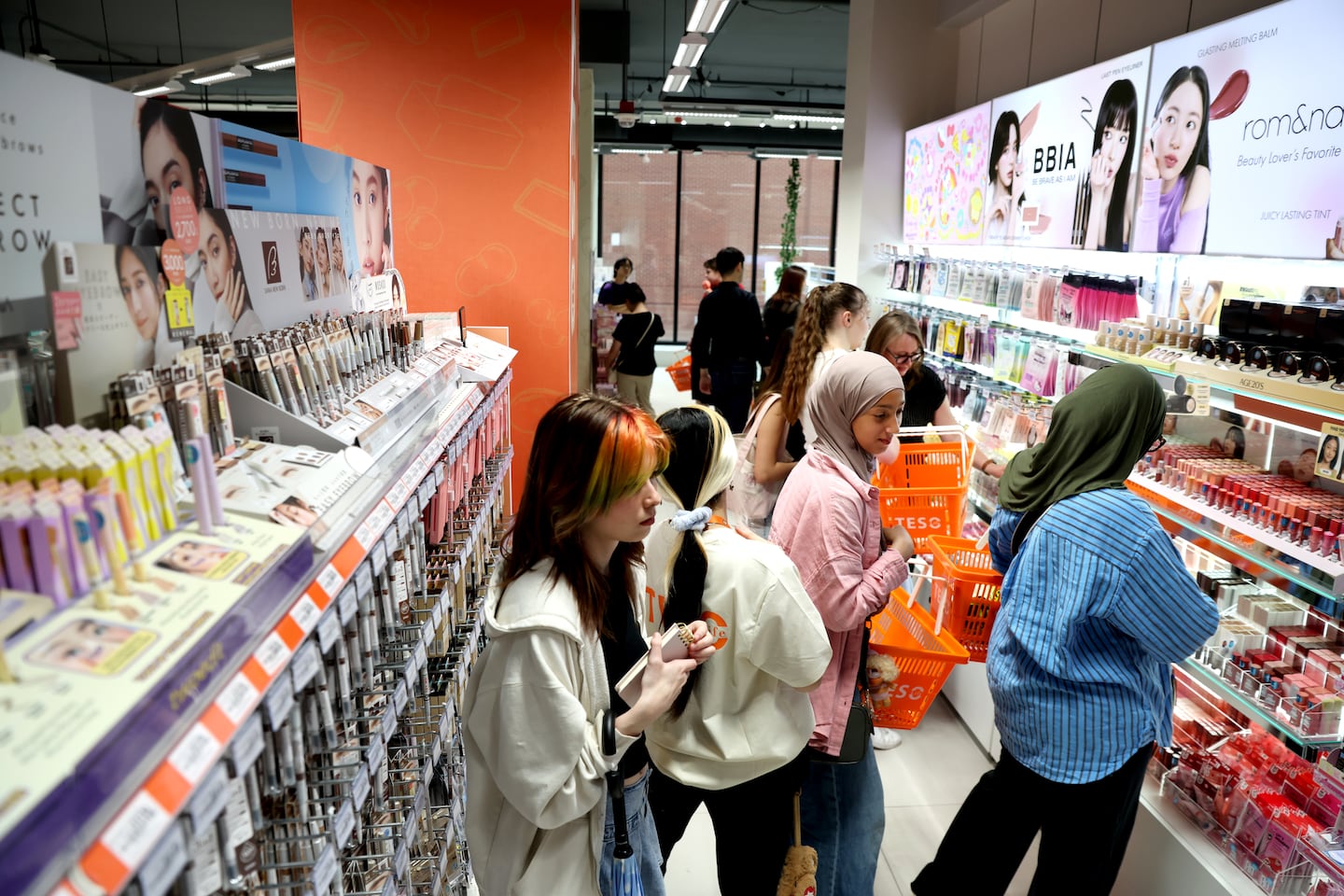
For the past five years, one of Downtown Crossing’s biggest storefronts sat vacant after Forever 21 shut down. This spring, it found a new tenant. But it wasn’t another traditional clothing or department store. Instead, Teso Life, a two-story Asian lifestyle retailer that sells everything from Korean beauty products to snacks, moved in
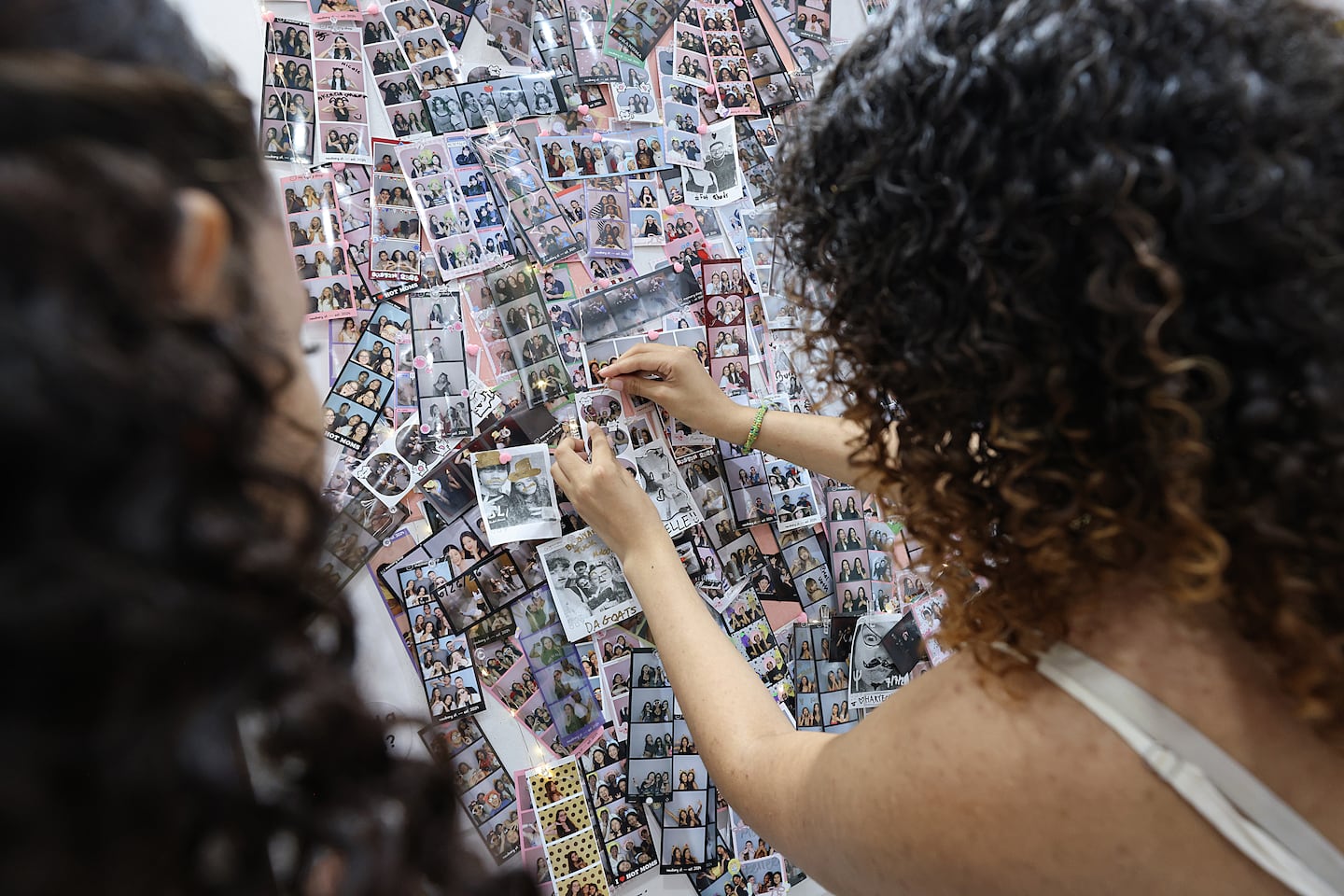
A few doors down, Japanese clothing giant Uniqlo opened in a space that had been empty for two decades, drawing crowds and a taiko drum performance on opening day. On Newbury Street, shoppers can explore Muji’s minimalist Japanese housewares, stop for a matcha latte at the pop-up-turned-café byChae, browse toys at MoreFun, and then duck into Memory Shop for a Korean-style photo booth experience
These high-profile openings reflect a larger shift in Boston: Concepts that once held appeal mostly among East Asian immigrants, Asian Americans, and other cultural enthusiasts are becoming mainstream
The new entrants to Boston retail have been urged on by landlords who are eager to revive empty storefronts. And they’re finding an eager audience among a young generation of consumers raised on social media, anime, K-pop, and international cuisine
“Boston’s retail market definitely needed some new blood,” said Peng Jia, who owns MoreFun, a toy mecca, in Back Bay and Cambridge, with a third location on the way in Allston
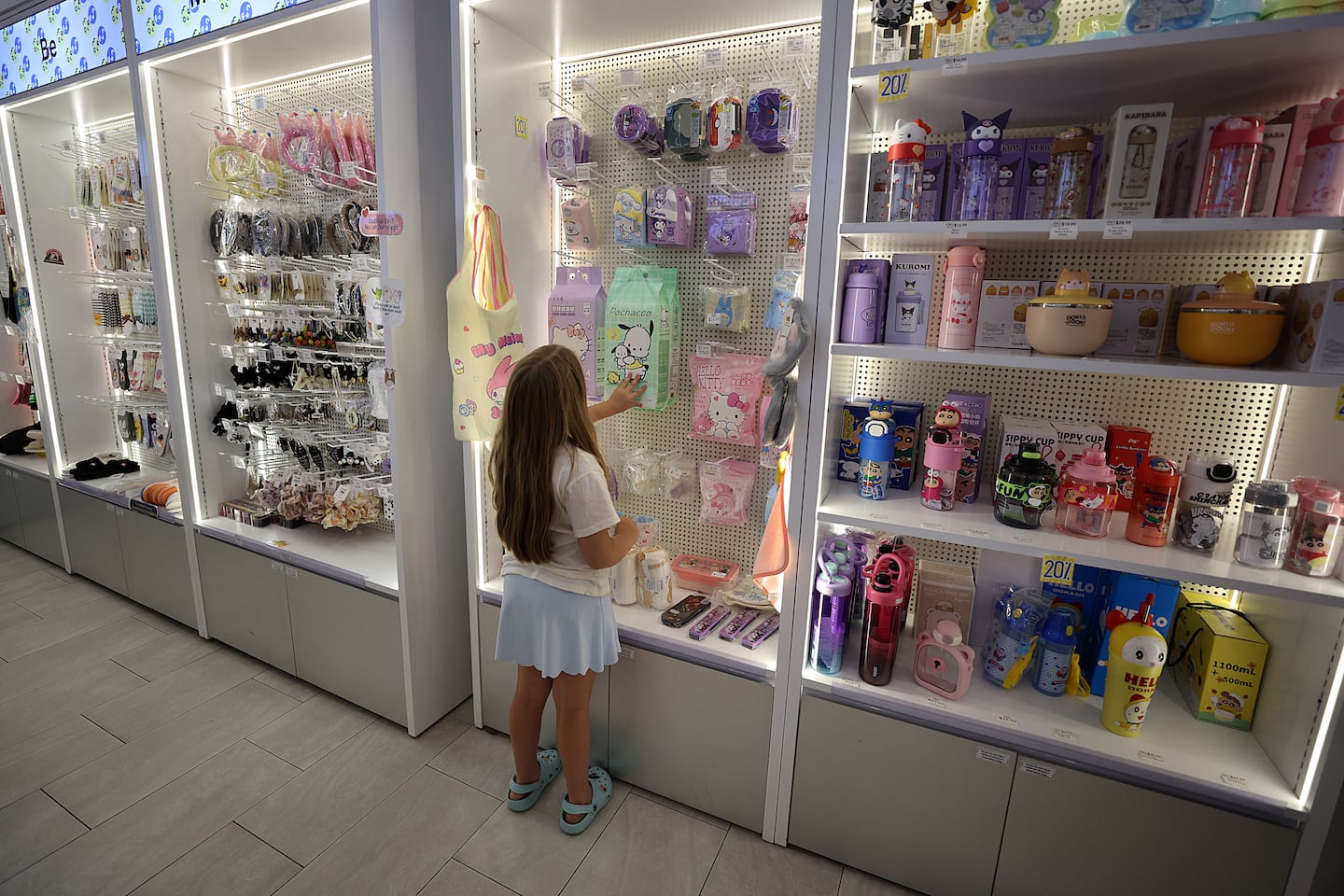
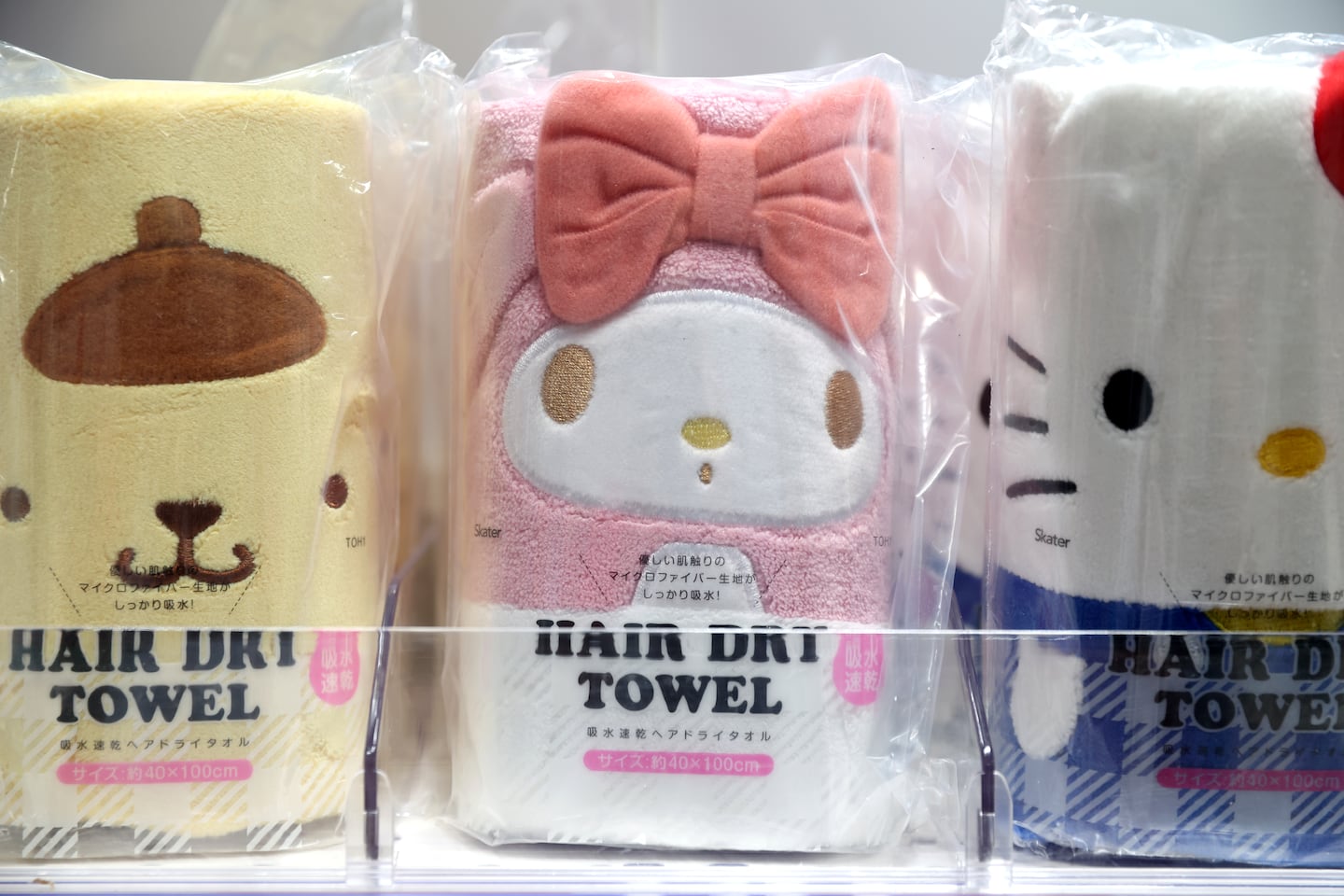
Amy Pei, a Northeastern University marketing professor, said social media has meant global trends travel much more quickly. Instead of encountering skincare from Korea through friends or while traveling abroad, shoppers now see them through influencers — watching videos of skincare regimens, product reviews, and house tours. By the time retail shops open, the demand already exists, she said
The trend began in Boston, as it has in other cities, with dining. In the late 1800s, an early wave of immigration from China began, establishing Boston’s Chinatown. There, restaurants served familiar dishes to the mostly men who lived and worked in the neighborhood, marking one of the earliest examples offood trends making their way from Asia.Over the past several decades, immigrants and international students have expanded the market for new concepts
“Food is always the conduit,” said Arnold Byun, the co-founder of MAUM Market, a pop-up featuring dozens of Asian-owned small businesses. “Then comes the retail.”
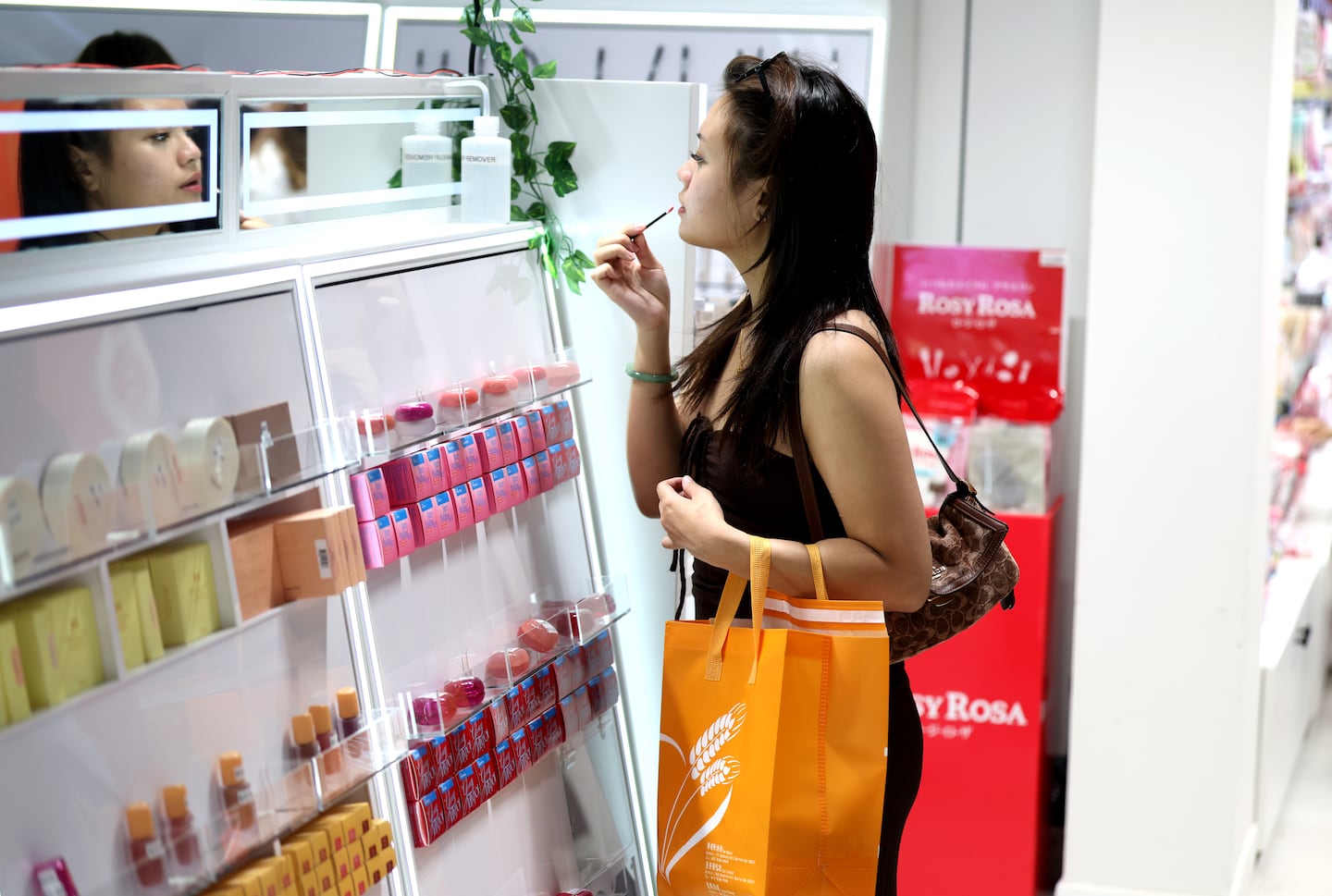
In recent years, broad consumer curiosity has expanded from food to fashion, art, beauty, and other products. Landlords and retail brokers see it as an opportunity
“Generally speaking, the retail market is starved for new concepts. So everybody’s very excited to see these new retailers coming to the market,” said Sara Taylor, a partner at Newton-based Blackline Retail Group. She helped broker the deal to get Teso Life to sign a 10-year lease for downtown
The appetite extends well beyond Boston. Asian food alone in the US is now a $37 billion market, and it’s growing annually, outpacing the broader food sector a research investment banking advisory firm.Sales of Asian food products in the US are expected to reach $51.3 billion by 2031
H Mart, which opened its first Boston-area store in 2014 and has become a $2 billion powerhouse, now it has five areasupermarkets stretching from Burlington to Quincy. In 2020, 99 Ranch Marketopened in a former Quincy Big Y space, where shoppers can now find about 100 different kinds of soy sauces and live goby fish. Newcomers such as Hashi Market are expanding into Cambridge and Brookline this year, while products that were once considered speciality items — from chili crisp and seaweed snacks to kimchi — have become everyday staples.
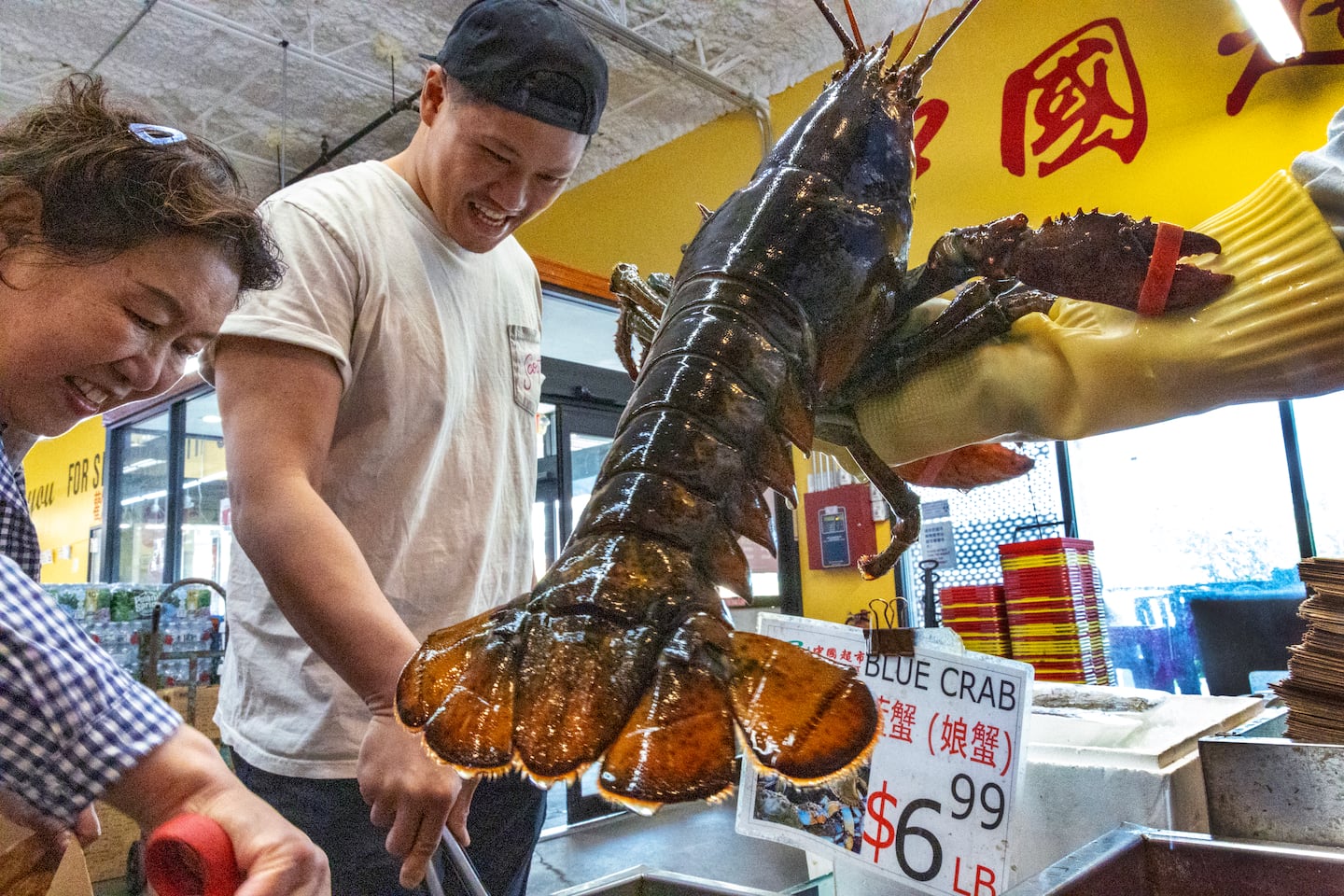
Stan Grossfeld/Globe Staff
Boston’s embrace of Asian cuisinesincluding Vietnamese, Thai, Taiwanese, and Japanese now spans from neighborhood restaurants to Michelin-recognized dining, helping transform areas around Quincy, Cambridge, and Dorchester’s Fields Corner (which is sometimes referred to as “Little Saigon”)
Chef Peter Nguyen is reimagining Vietnamese food at Lê Madeleine in Quincy, while Laurence Louietransformed his family’s Hong Kong bakery into Rubato, a modern café inspired by Cantonese comfort food. Last year, 10 of the 26 local restaurants recognized by the Michelin guide served Asian-inspired food or were Asian-owned
Boston’s growing appetite for Asian food is what convinced Byun that the city was ready for MAUM Market. The idea first started in 2022 in Los Angeles and then later New York, coming off the pandemic as Byun said he noticed many Asian businesses bubbling up
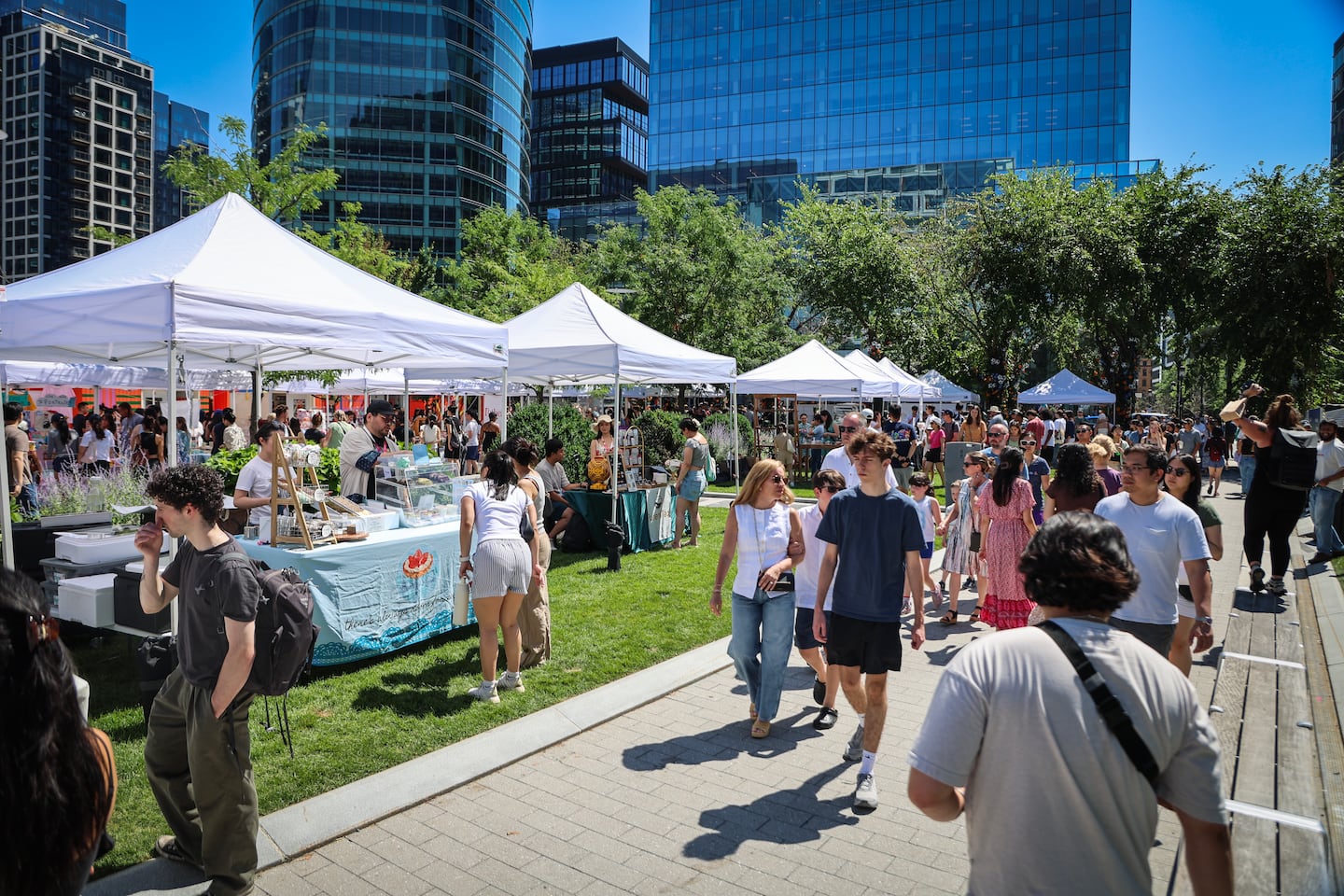
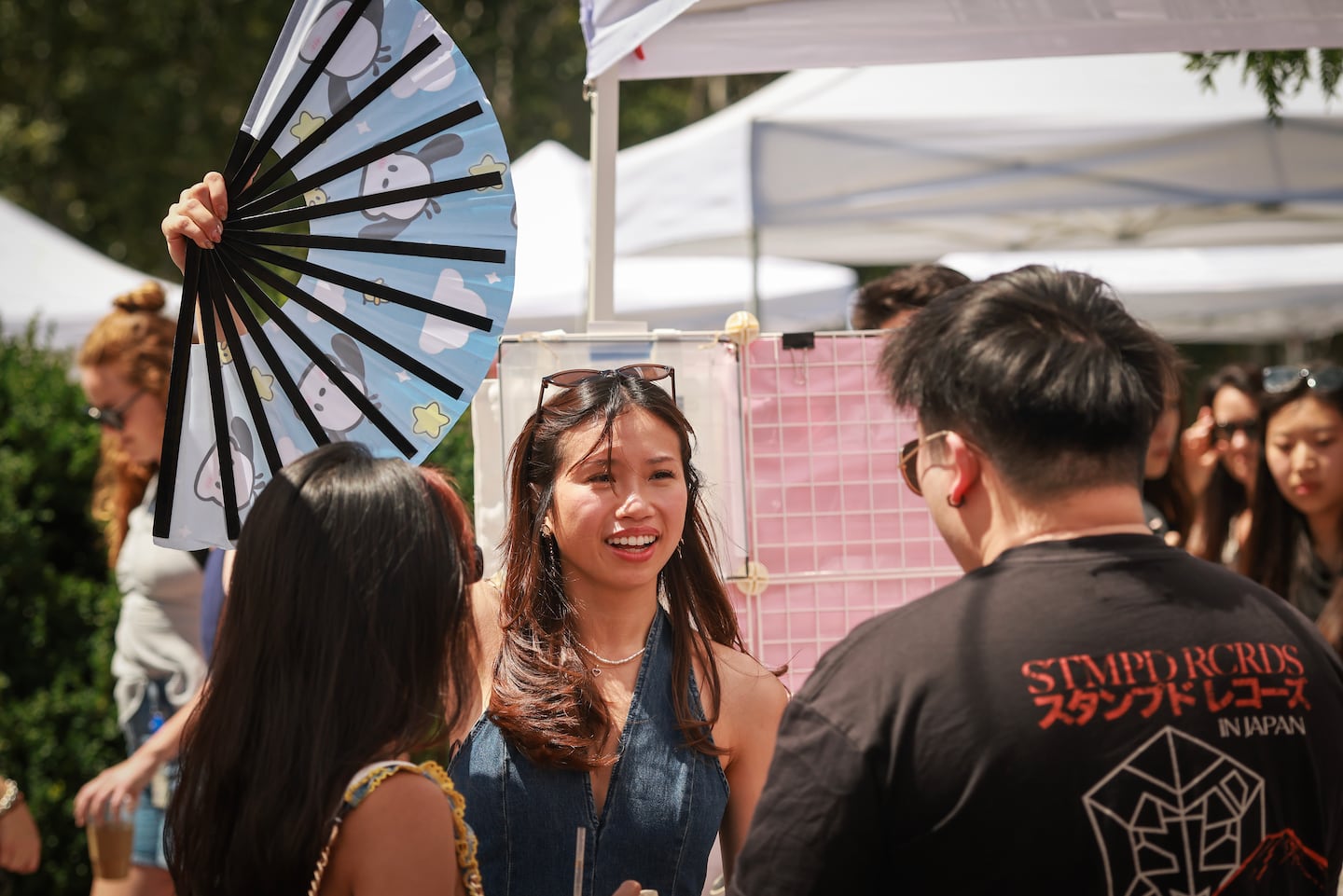
At MAUM’s first Boston pop-up last summer, about 6,000 attended in just a few hours. On a recent Sunday, MAUM hosted its second annual market in the Seaport, where 45 local vendors participated, selling goods such as gaming accessories, jewelry, art, plushy anime characters, and ceramics
Because of the turnout, the company is expanding in Boston, and it is poised to host three pop-ups in 2027, putting it in scope with MAUM’s plans for New York City and Los Angeles
Pei, at Northeastern, said some consumers associate Korean and Japanese products with quality and innovation, helping explain why demand has persisted beyond fleeting social media trends. “If they weren’t good, this wouldn’t have lasted,” she said
Cy Kwok, a general manager of Teso Life, said that’s led to a natural broadening of the target market. “People are curious about this culture, and we’re bringing it into the community and educating them.”
Demographic shifts are also expanding the customer base. From 2010 to 2020, Massachusetts residents identifying as Asian grew from 307,000 to 504,000. In recent years, they’re also moving to wealthier suburbs, such as Lexington, where Asian Americans account for a third of the population. Students from Asia also make up a large share of Boston’s international student population. Nationally, Asian Americans represent one of the country’s fastest-growing consumer groups, with roughly $1.4 trillion in buying power, according to global data firm Nielsen.
That growth has also expanded the customer base for businesses selling Asian products, even while retailers are drawing shoppers far beyond Asian immigrant and Asian American communities
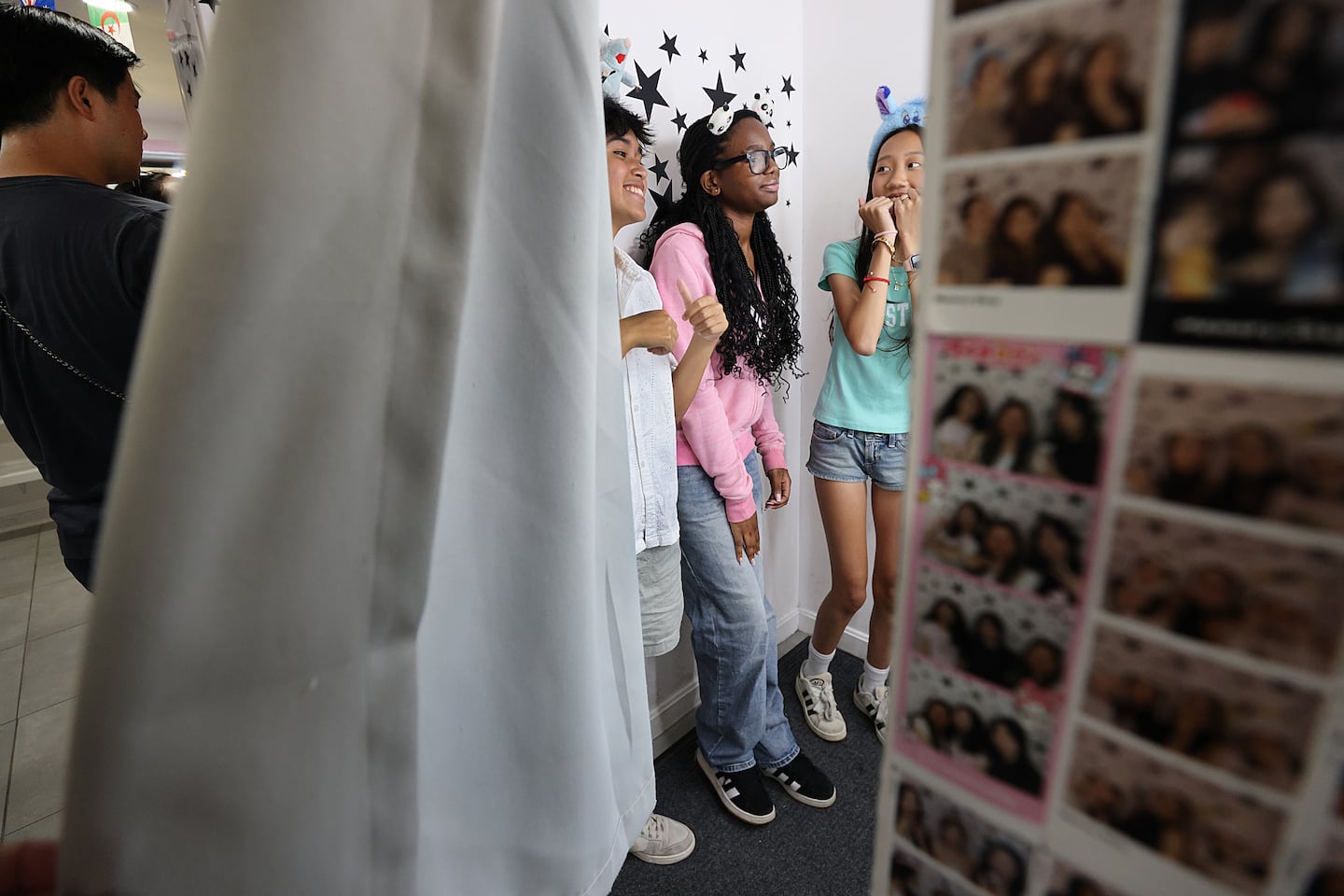
What many of these concepts share is that they ask customers to do more than just shop for goods. At Memory Shop, visitors spend 20 to 30 minutes posing for photos, decorating prints, and hanging out, even though a single photo session itself lasts less than three minutes. At Anime Zakka, also on Newbury Street, rows of gacha toy machines that dispense mystery prizes like quirky miniatures or anime figures encourage customers to linger
“I think that’s exactly where retail is slowly moving towards,” said Brian Cheung, Memory Shop’s owner. He has two stores now, and is opening a third on Harvard Avenue in Allston, known for its retail options, this summer. “Making shopping feel more like an experience is just something that Asian retailers do the best.”
For years, Boston was an afterthought for many of these concepts, said Byun. Today, entrepreneurs and national chains alike see Boston as a city worth investing in
“You always heard about LA and New York, but that’s it,” said Byun of MAUM. “Now people are looking way outside of New York.”
“For us,” he added. “We’re doubling down in Boston.”
Alexa Gagosz can be reached at alexa.gagosz@globe.com. Follow her @alexagagosz and on Instagram @AlexaGagosz
