


What Is Capsaicin? Benefits and Risks
Search
AdvertisementAdvertisement
July 28, 2026/Living Healthy/Wellness
What Is Capsaicin? Uses, Benefits and Side Effects
The compound that gives chili peppers their kick may support your health — and even help relieve certain types of pain
Image content: This image is available to view online
View image online(https://assets.clevelandclinic.org/transform/499356df-c07c-4b02-8ffa-73b1d0fae59f/hot-chili-peppers-basket-2285730764)
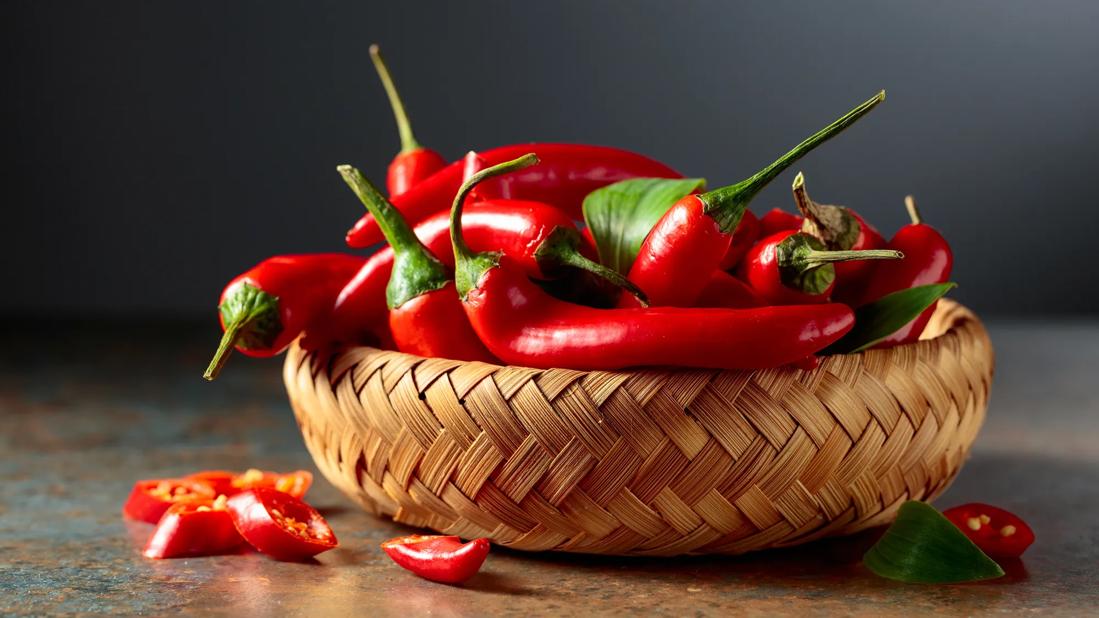
Capsaicin is the naturally occurring compound that gives chili peppers their signature heat. While it’s perhaps best known for spicing up your favorite recipes, it’s also found in supplements, as well as topical creams and patches
Advertisement
Cleveland Clinic is a non-profit academic medical center. Advertising on our site helps support our mission. We do not endorse non-Cleveland Clinic products or services.Policy
Pain management specialist Haren Bodepudi, MD, explains the benefits and potential risks
Capsaicin uses
Whether it’s ratcheting up the heat in your salsa or helping ease nerve pain with a medicated patch, capsaicin has a surprising range of uses in both your kitchen and medicine cabinet
It’s found in:
- Foods,like jalapeños, cayenne peppers and habaneros that give your dishes fiery flavor
- Supplements marketed for better digestion, heart health and more
- Topical products,like creams and patches, which are available by prescription or over the counter, for managing certain kinds of pain
Is capsaicin good for you?
Research suggests capsaicin may provide several health benefits, but its effects depend on how you’re using it. Dr. Bodepudi explains a few potential positives
Capsaicin in food
As part of a healthy diet, capsaicin may boost your body in these ways:
- Gut health: It may seem surprising that something so spicy could be good for your stomach. But in normal cooking amounts, capsaicin may help boost your gut microbiome and support healthy digestion.
- Heart health: “We believe capsaicin may help improve blood vessel function, lower blood pressure and improve lipid levels — all of which may contribute to better heart health,” Dr. Bodepudi shares. “But more research is still needed to fully understand these effects.”
- Inflammation: Capsaicin has antioxidant properties that may help lower inflammation throughout your body. “It’s not as effective as a true anti-inflammatory medication,” Dr. Bodepudi notes, “but there may be some helpful anti-inflammatory benefits.”
- Metabolism and weight loss: Capsaicin may help your body burn energy more effectively by cranking up your metabolism. It also could help manage your appetite by making you feel fuller.
Advertisement
More research is needed to better understand these and other possible benefits. It’s also not clear yet how much capsaicin you need to eat to get positive effects
Capsaicin in supplements
Some people turn to capsaicin supplements and powders to reap the potential benefits, without the burning mouthfeel
But proceed with caution
Excessive amounts of capsaicin supplements may irritate your digestive tract. What’s more, the U.S. Food and Drug Administration (FDA) doesn’t regulate supplements closely. So, there’s no guarantee that they’ll do what they claim to do
Topical capsaicin
While researchers are still studying many of capsaicin’s effects on overall health, one benefit is well established: pain relief. But you won’t get the effects from an extra helping of hot sauce
Instead, creams and patches containing capsaicin can help relieve pain from conditions like:
- Osteoarthritis and rheumatoid arthritis
- Diabetes-related neuropathy and peripheral neuropathy (pain, tingling and numbness in your fingers and toes)
- Postherpetic neuralgia (nerve pain after having shingles)
Topical creams and prescription patches with capsaicin work differently from pain relievers, like Tylenol® (acetaminophen). Instead of dulling the pain, capsaicin temporarily overstimulates your pain-sensing nerves. That wears them out — gradually lowering their ability to send pain signals
But it can take time
“You may feel more discomfort at first,” Dr. Bodepudi explains. “But as the pain-signaling chemicals become depleted, the pain should improve.”
In other words, capsaicin needs some time to do its pain-relieving job. So, if you try capsaicin creams or patches, give them several days to take effect
“People often give up on these products because they don’t help immediately and may even make you feel worse for a short time,” he adds. “But if you can get over that hurdle, they typically do a very good job.”
Side effects of capsaicin
Just as the benefits of capsaicin vary based on how you use it, so, too, do the risks
As a food, capsaicin can come with some challenges. If you eat large amounts of spicy foods or take too many capsaicin supplements, you may experience digestive upset or irritation, like heartburn, nausea or diarrhea
If you’re new to spicy foods, start with more mild chili peppers and gradually work your way up
“You don’t need to eat the hottest peppers to enjoy the potential benefits,” Dr. Bodepudi says
When using topical capsaicin, you may notice a temporary burning, warming or stinging sensation — especially during the first few days of treatment. You may also experience mild redness or skin irritation
Advertisement
To use topical capsaicin safely:
- Don’t apply it to broken skin, open wounds or active rashes.
- Avoid getting it in your eyes or on other sensitive areas.
- Wash your hands thoroughly with soap after applying it.
- Stop using the product and contact a healthcare provider if you develop a rash, severe skin irritation or signs of an allergic reaction.
If you’re wondering if capsaicin is right for you, talk with a healthcare provider about how you can enjoy its benefits without getting burned
Advertisement
Better health starts here
Sign up for our Health Essentials emails for expert guidance on nutrition, fitness, sleep, skin care and more.
Example emailSign up
Sign upExample email
Learn more about our editorial process
Health Library
Capsaicin Patches
Overview
Health Library
Capsaicin Patches
Overview
Advertisement
Related Articles
June 10, 2026/Brain & Nervous System
Do Brain Health Supplements Really Work?
https://health.clevelandclinic.org/do-brain-supplements-work
Nothing in those bottles will work as well as healthy habits
April 29, 2026/Nutrition
Should CoQ10 Supplements Be Part of Your Wellness Routine?
https://health.clevelandclinic.org/what-is-coq10
This naturally occurring nutrient supports energy and heart health, but supplements aren’t necessary for everyone

February 26, 2026/Wellness
NAD+ Supplements: Can They Really Slow Down Aging?
https://health.clevelandclinic.org/nad-supplement
They claim to boost energy and improve longevity, but there’s currently not enough research to confirm these benefits
January 21, 2026/Children’s Health
Should You Give Your Kids Elderberry?
https://health.clevelandclinic.org/elderberry-for-kids
Properly prepared, elderberries can be a safe and healthy part of a balanced diet — just steer clear of supplements
January 6, 2026/Wellness
Propolis: What Is It and Is It Worth Using?
https://health.clevelandclinic.org/propolis
Science doesn’t support most claims about this bee byproduct, and supplements have potential risks
November 12, 2025/Nutrition
Is the Lion Diet a Healthy Way To Eat?
https://health.clevelandclinic.org/lion-diet
The meat-based elimination diet restricts important food groups — like fruits and vegetables — that keep you healthy
October 13, 2025/Nutrition
7 Vitamins and Minerals That Help Boost Your Immunity
https://health.clevelandclinic.org/vitamins-best-boosting-immunity
Eat your fill of vitamins C, B6 and E, plus zinc and selenium
October 9, 2025/Heart Health
What You Need To Know About Vitamins and Supplements for Heart Health
https://health.clevelandclinic.org/heart-health-vitamins-ally-or-false-friend
The vitamins, minerals and other nutrients in the food you eat are essential for a healthy heart, but supplements are another story
Trending Topics
Nutrition
Is Kefir Good for You?
https://health.clevelandclinic.org/benefits-of-kefir
This superfood is loaded with vitamins, minerals and nutrients

Children’s Health
Looksmaxxing: What It Is and Why It Can Be Harmful
https://health.clevelandclinic.org/looksmaxxing
This online subculture may contribute to self-esteem issues in teenage boys

Ear, Nose & Throat
Why Loose Ear Crystals Make You Dizzy and How To Fix Them
https://health.clevelandclinic.org/bppv-why-loose-ear-crystals-make-you-dizzy-and-how-to-fix-them
When these tiny particles of calcium carbonate come loose, it throws your sense of balance out of whack
Health Categories To Explore
Brain & Nervous System
Children’s Health
Exercise & Fitness
Heart Health
Men’s Health
Mental Health
Nutrition
Orthopaedics
Primary Care
Skin Care & Beauty
Wellness
Women’s Health
Other Popular Categories
Aging WellAllergiesCancer Care & PreventionChronic PainCold, Flu & Respiratory IllnessesDiabetes & EndocrinologyDigestiveEar, Nose & ThroatEye CareInfectious DiseaseLungOral HealthParentingPregnancy & ChildbirthRecipesRheumatology & ImmunologySenior HealthSex & RelationshipsSleepUrinary & Kidney HealthWeight Loss
Ad
Rendered: Tue Jul 28 2026 08:39:13 GMT+0000 (Coordinated Universal Time)
