


article
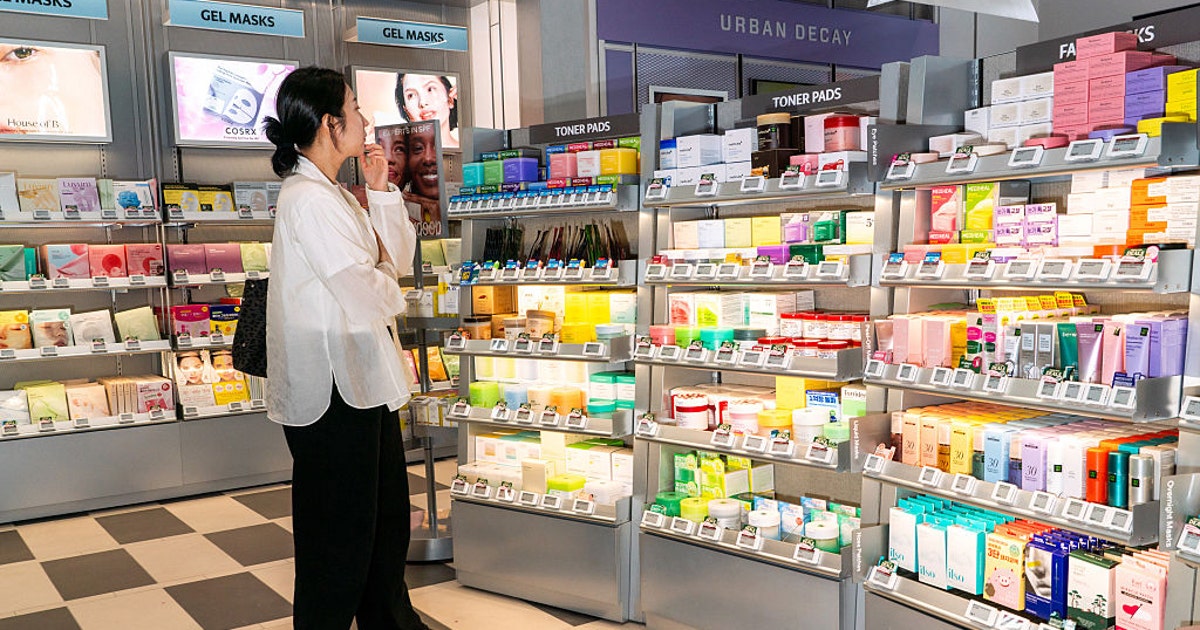
A shopper looks around during the grand opening of an Olive Young store in Pasadena, California, on Friday, May 29, 2026. (Kyle Grillot/Bloomberg
Personal care is essential for many nationwide and some are willing to sacrifice a little more financially at retail stores to ensure they secure their critical beauty supplies
Whether it’s hair products or skin care items, a recent survey sheds light on what people are spending cash on for self-care maintenance. Zenoti, a software platform designed for the beauty, wellness, and fitness industries, conducted a survey of 1,000 adults in the United States to inquire about their beauty and wellness spending and what they sacrifice to purchase these goods.
Nearly 50% of Americans would go into debt to maintain critical routines
The survey revealed that 46% of respondents said they would or possibly use credit cards, buy-now pay-later (BNPL) services, or loans to maintain beauty or wellness if they lost their primary income
While 35% admitted they have delayed vacations compared to 29% who lowered savings or debt payments to maintain self-care habits, according to the survey.The survey also found that some people admit to sacrificing essentials to afford self-care. Approximately 21% of people said they delayed medical or dental care and 22% shared that they scale back on groceries to keep up with beauty or wellness spending.
Separately, about 33% of respondents admit that their self-care routines heighten during times of stress connected to workplace burnout and another 26% said they are doing more based on loneliness and social isolation
More Americans turn to DIY for self-care
Big picture view:
Do-it-yourself (DIY) self-care practices are becoming a trend for self-care, with 44% of people sharing that they perform at-home facials, 43% are coloring their hair at home, and 33% are choosing at-home waxing instead of professional services.
Meanwhile, Americans are also cutting back on how often they schedule personal care services, with 45% reducing appointment frequency and 32% downgrading to inexpensive options instead of ending the service completely.And Gen Z consumers admit that they feel the most pressure and secrecy around beauty product purchases, with 38% explaining that they feel an expectation to maintain standards they can’t afford, compared to 58% who say they’ve concealed or downplayed their spending
Theducted a survey of adults about their beauty and wellness spending habits. This story was reported from Washington, D.C
Personal FinanceConsumerMoneyStyle and Beauty
