


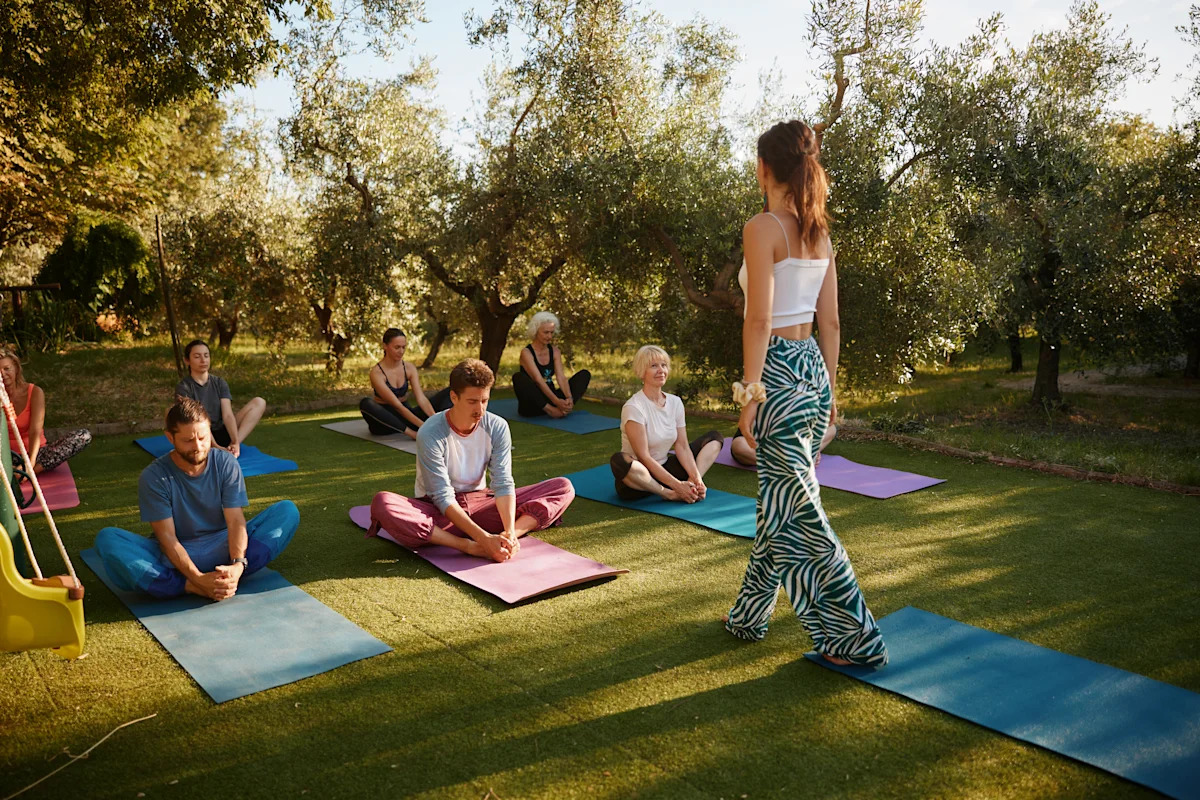
Some cities make it easier to prioritize your health
You can bike to work instead of sitting in traffic. Meet friends for a hike after work instead of happy hour. Spend a Saturday paddleboarding, hitting the trails, or exploring a park without ever having to drive very far
Those kinds of everyday opportunities—not just access to gyms—help explain why certain cities consistently rank among the healthiest in <a href="https://healthylife7.com/corporate-america-is-getting-anxiety-all-wrong/” title=”Corporate America Is Getting Anxiety All Wrong”>America
Advertisement
The American College of Sports Medicine (ACSM) has released its 2026 American Fitness Index, which ranks the 100 largest U.S. cities based on how well they support healthy, active lifestyles. The annual report includes individual fitness habits, as well as community environment evaluating everything from park access and bike infrastructure to public transit, chronic disease rates and local investments in recreation
Here are the top 20 fittest cities in America for 2026:
Washington, D.C
Minneapolis, Minnesota
Seattle, Washington
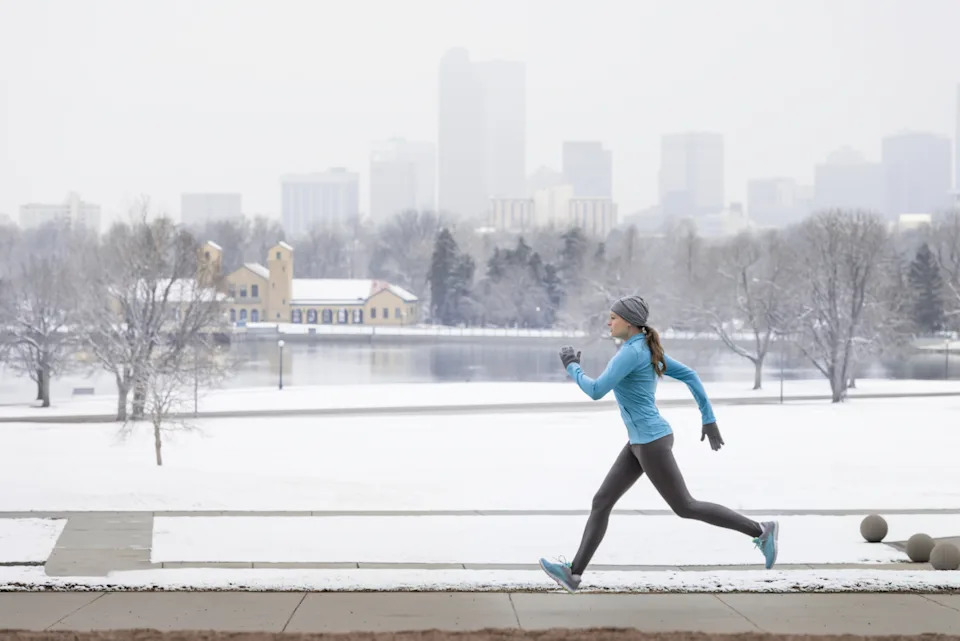
Denver, Colorado
San Francisco, California
Irvine, California
Atlanta, Georgia
Madison, Wisconsin
Boston, Massachusetts
San Diego, California
Plano, Texas
Oakland, California
St. Paul, Minnesota
San Jose, California
Boise, Idaho
Lincoln, Nebraska
Albuquerque, New Mexico
Chicago, Illinois
Richmond, Virginia
Arlington held onto the No. 1 overall ranking, while Washington, D.C., earned the highest marks for its community and environmental support for healthy living. Arlington has claimed the top spot for nine years running
The report found that top-performing cities tend to share several characteristics: abundant parks, walkable neighborhoods, bike-friendly streets, reliable public transit and policies that encourage residents to be physically active as part of everyday life—not just during workouts
What it’s like to live in one of the fittest cities in the U.S
As someone who lives in Denver, the ranking doesn’t surprise me
Advertisement
One of my favorite parts about living here is that getting outside feels woven into daily life. On summer evenings, it’s easy to head to Chatfield Reservoir for a paddleboarding session after work. Weekends often revolve around hiking in the foothills or mountains, and my husband and I regularly play pickleball at Gates Tennis Center
When I worked in nearby Boulder, coworkers would suggest hiking trails for lunch breaks the same way people elsewhere might recommend a sandwich shop
Colorado’s outdoors-first culture is so ingrained that it has even become part of the city’s dating reputation. Spend enough time on local social media or dating apps and you’ll inevitably see jokes about needing to rock climb, ski black-diamond runs or summit a 14er just to fit in. While that’s obviously an exaggeration, it speaks to how central outdoor recreation is to life here
What makes a city fit?
The Fitness Index also highlights some of the community features that help make active living easier across the country
Advertisement
Among the cities with the greatest percentage of parkland, Anchorage, Alaska, topped the list, with parks covering more than 84% of the city’s area. Washington, D.C., San Francisco and Boston—all top-10 fitness cities overall—also ranked among the leaders for park access.
Meanwhile, Chesapeake, Virginia, led the nation in outdoor athletic fields per 10,000 residents, followed by Madison, Wisconsin, Cincinnati and Tulsa. Madison’s strong showing in recreational amenities helped it secure the No. 9 overall ranking
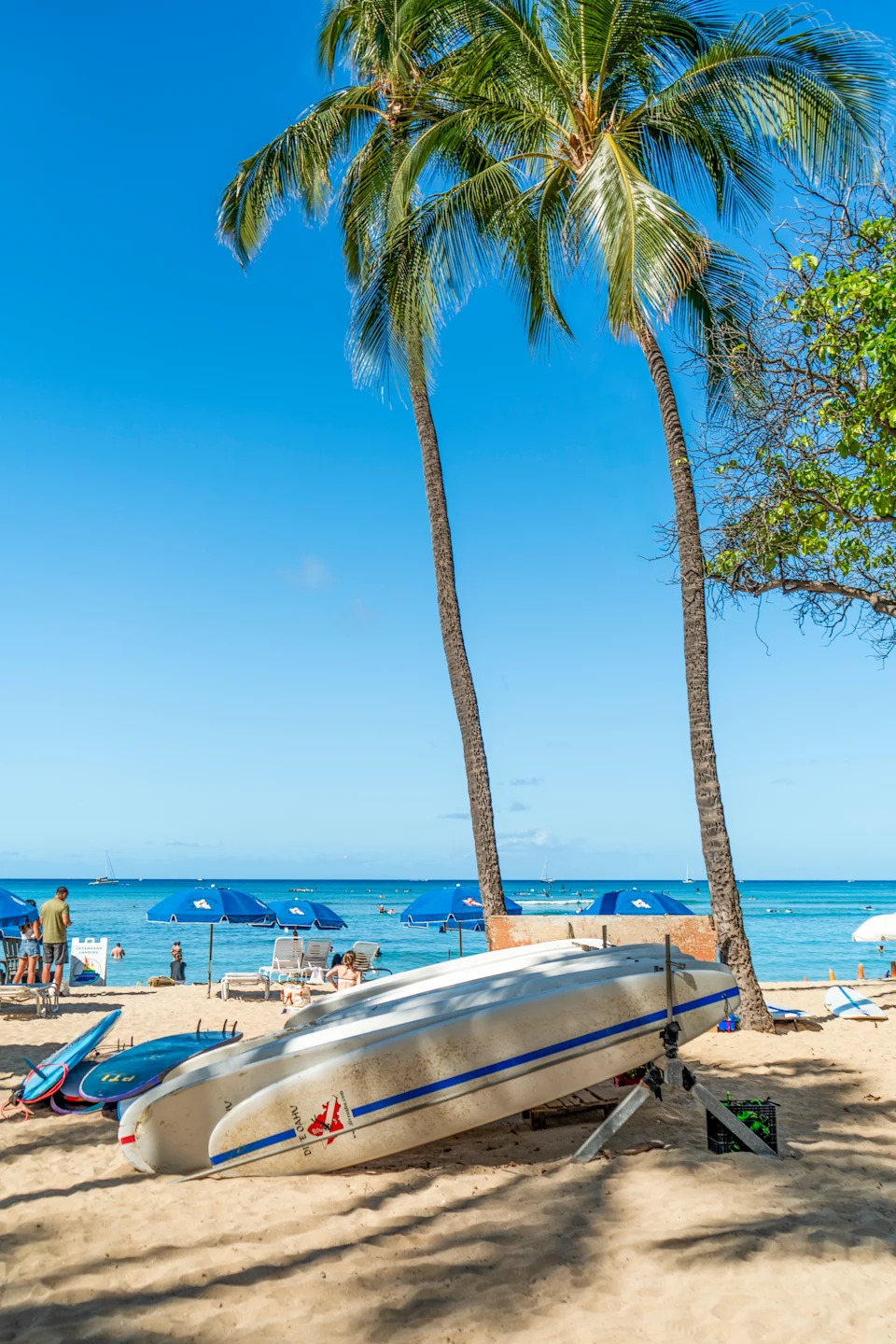
And, Honolulu, Hawaii had the most good air quality days.
The report also noted that some health indicators improved nationwide this year, including better air quality in many cities. However, food insecurity continued to worsen, underscoring that creating healthier communities requires more than just trails and parks
Advertisement
Several cities demonstrated staying power in this year’s rankings. Arlington, Washington, D.C., Minneapolis, Seattle and Denver have consistently remained among the nation’s healthiest cities thanks to long-term investments in parks, recreation and active transportation
The takeaway? Living a healthy lifestyle isn’t just about personal motivation. Where you live—and whether your community makes it easy to walk, bike, play sports or spend time outdoors—can help make a difference, too.

Brittany Anas Creator
Brittany Anas is an award-winning journalist covering all the sweet things in life, from travel to home to food and beverage. She is based in Denver, Colorado.
Creators are not employed by Yahoo. Views expressed by creators do not reflect the opinions and position of Yahoo.Learn how to become a creator.
