


‘To play God’: How US pressure has shattered Cuba’s healthcare
As President Donald Trump tightens US sanctions against Cuba, the island’s healthcare providers warn of medical shortages and rising death rates
Published On 30 Jul 2026
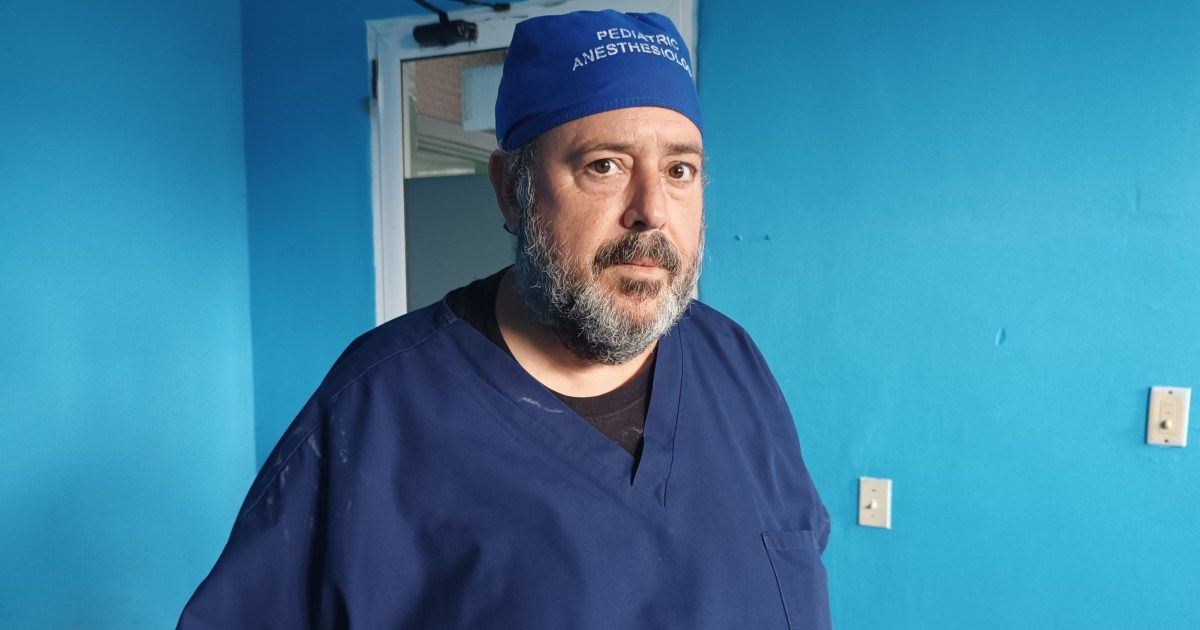
Havana, Cuba – It used to be a point of pride. At the William Soler Pediatric Hospital in Havana, more than 90 percent of the newborns who needed neonatal surgery survived their procedures
But in recent months, Alioth Fernandez, the head of the hospital’s surgical unit and anaesthesiology department, has witnessed an alarming decline
“Now, that figure has plummeted,” Fernandez said. “In the first half of this year, we have seen very high mortality among newborns needing surgery, with more than half of the cases resulting in death.”
Fernandez is among a growing number of doctors and patients in Cuba expressing alarm over the deteriorating healthcare conditions across the island
Six months ago, on January 29, United States President Donald Trump announced a fuel blockade against Cuba, threatening any country that exports fuel to the island with punishing tariffs
The aim was to weaken Cuba’s government, which Trump labelled a national security threat. Only one foreign oil tanker has reached Cuba in the months since
The result has been nearly daily blackouts that last up to 20 hours, as well as shortages of essential items
The pressure has exacerbated strains on Cuba’s healthcare system, once considered the flagship achievement of the country’s 1959 revolution
Although healthcare in Cuba remains free, public and universal, experts say its reach and quality have diminished significantly. That has translated to a cost in human lives. Fernandez is seeing the toll of the political conflict firsthand in his young patients
“Children are the least to blame,” Fernandez said. “Because children certainly have no ideology, nor did they ask to be born in a ‘communist’ country.”
For Fernandez, the most distressing part has been how avoidable some of the deaths have been
Many did not occur as the result of surgical complications but rather from infections, driven by diminished hygiene standards, malnutrition and the limited availability of antibiotics
In the past, Fernandez explained, patients were added to a waiting list for procedures, based on their medical conditions and the date of their arrival for treatment. Names rarely stayed on the list for more than a month. Backlogs were systematically cleared
But with limited reof medicines and supplies – healthcare professionals say they are now forced to pick and choose whom to treat
“Now, we have to play God. When you secure the rerated on,” Fernandez said
“It’s an impossible situation because, ultimately, they are all just children.”
Exerting ‘maximum pressure’
Cuba has long struggled under the economic restrictions imposed by the US. But experts say the Trump administration has heightened those pressures, pushing Cuba’s healthcare system to the brink
“Children are dying because doctors lack access to essential medical supplies and medicines,” United Nations human rights commissioner Volker Turk said last month as he called for sanctions relief. “This is unacceptable.”
For more than 60 years, Cuba has operated under a comprehensive US trade embargo, the longest in modern history
Rooted in Cold War political rivalries, the embargo has hindered Cuba from accessing medicines and equipment available to much of the world
Cuba is banned, for example, from buying advanced US-made pharmaceuticals and technology in which more than 10 percent of the components originate in the US
According to Cuban officials, European medical suppliers frequently refuse to trade with the island out of fear of US sanctions
That risk has been amplified since Trump took office, first in 2017 and again in 2025
With the aim of exerting “maximum pressure” on Cuba’s economy, Trump has imposed sanctions and designated the country a “state sponsor of terrorism”
Under that designation, international banking institutions could face massive fines for processing transactions involving Cuban entities
January, however, marked a turning point. Trump threatened the island with military intervention, and in the months since, he has moved to make international trade with Cuba more arduous
In addition to January’s fuel blockade, Trump issued an executive order in May that bars companies from providing support to the Cuban government
Participating in several key sectors – from energy to financial services and mining – is also prohibited under Trump’s order. Failure to comply could result in the US-based assets of international firms being seized
In the wake of Trump’s order, two of the world’s biggest shipping companies – Hapag-Lloyd and CMA CGM – abandoned their operations in Cuba
A spike in mortality
The tightening restrictions have forced the Cuban government to effectively ration care
In February, Havana announced a package of emergency energy-saving measures. Among them was the suspension of all non-essential medical services across the island
But non-essential does not mean unimportant. Fernandez, the paediatric anaesthesiologist, explained that preventive healthcare plays a major role in saving lives
Under normal conditions, he said, preventive healthcare helps doctors catch potentially fatal conditions like appendicitis sooner
But in recent months, Fernandez has observed patients arriving at his hospital in a “worsened” condition than they might otherwise have had
“All the appendicitis cases we treat now present complications,” he said. “They demand more re
Deaths in Cuba have also escalated as years of increasing restrictions take effect
Just last month, the Cuban Ministry of Public Health (MINSAP) reported that survival rates for childhood cancer dropped from 85 percent to 65 percent amid the oil blockade
Infant mortality has also steadily climbed. In 2017, at the start of Trump’s first term, Cuba had an infant mortality rate of four for every 1,000 live births. That figure climbed to 7.7 in 2024, just before Trump’s second term, and reached 9.9 in 2025
The maternal mortality rate similarly rose to 44.1 deaths for every 100,000 live births by the end of 2025, up from 40.6 the previous year
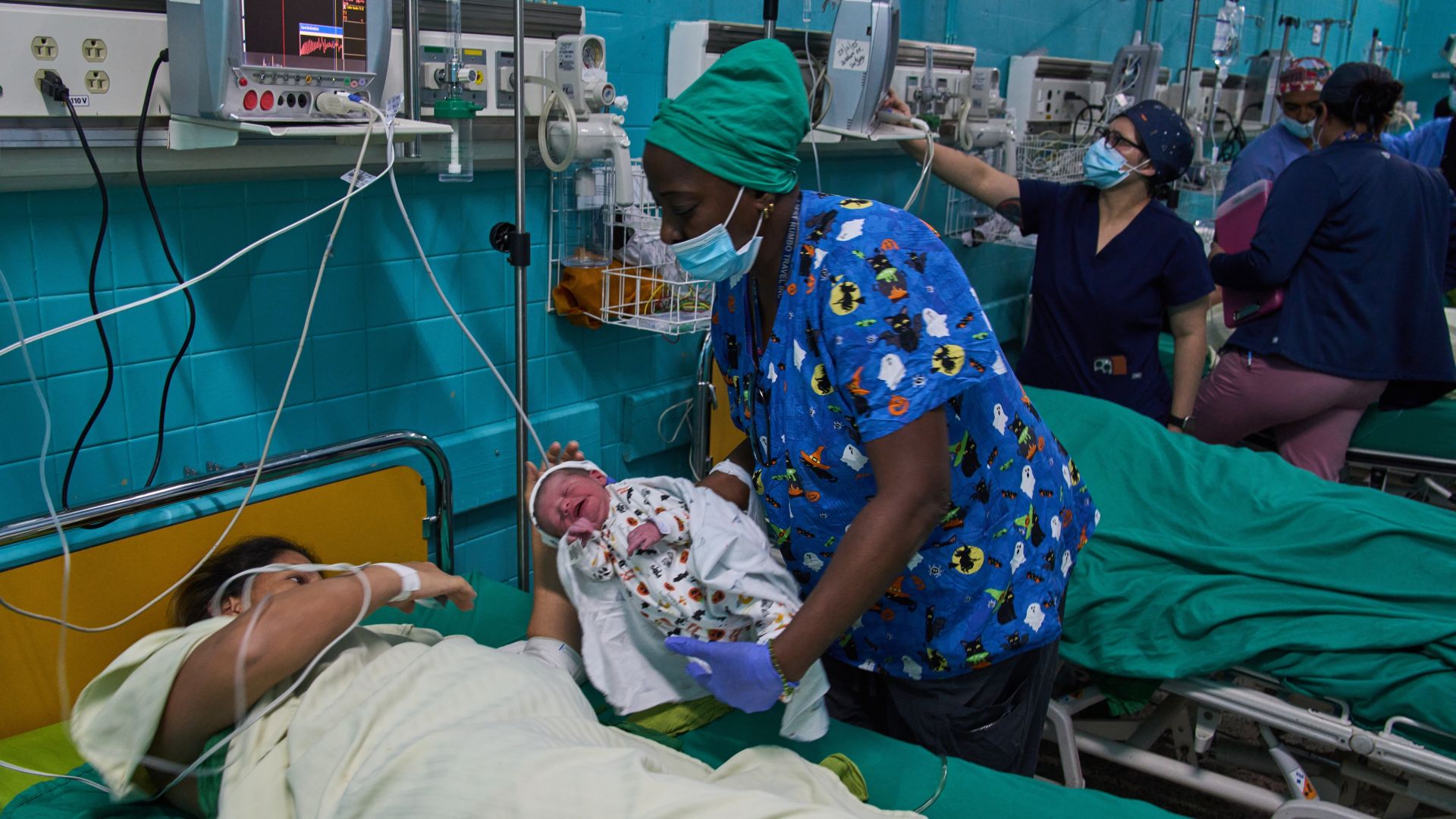
Lilian Delgado, an obstetrician and gynaecologist at Cuba’s main maternity hospital, explained that the escalating humanitarian crisis has triggered a sharp rise in premature births and severe morbidity among pregnant women
“Conditions are far from ideal at all the levels of the system,” Delgado noted. “There are shortages everywhere.”
The decision to prioritise emergency care can be deceptive. A wide range of medical procedures are considered “elective”. But just because they do not rise to the level of an emergency does not mean they are optional
Typically, in Cuba, emergency surgeries are those that need to be urgently completed within 48 hours. Other necessary surgeries often fall into the “elective” category
Mastectomies – a common breast cancer treatment – are among the surgeries often categorised as elective. So too are some organ transplants
Healthcare advocates point out that, if certain elective surgeries are postponed too long, they too can result in deadly conditions
More than 100,000 Cubans are currently on waiting lists for elective or reconstructive surgeries, a backlog MINSAP credited to the US sanctions
Among those waiting are 5,152 cancer patients and approximately 12,000 children. Delgado said some of her patients have been languishing on such lists for months
“Our surgical services are severely hampered by a lack of supplies,” she explained. “We have more women suffering from serious complications, and our operating rooms have become tied up with emergency cases, making it impossible to perform elective surgeries.”
Hospitals in Cuba largely have backup generators to weather the increasingly frequent power outages. But accessing even emergency medical care is tough when the fuel blockade is affecting basic services like transportation
“Ultimately, if you have a cancer patient and cannot operate due to a number of factors – such as a nationwide blackout forcing the suspension of surgeries – then, whether you intend to or not, you are directly condemning that patient to death,” Delgado said
The oil embargo has cost “human lives, both directly and indirectly”, she added
Limited re
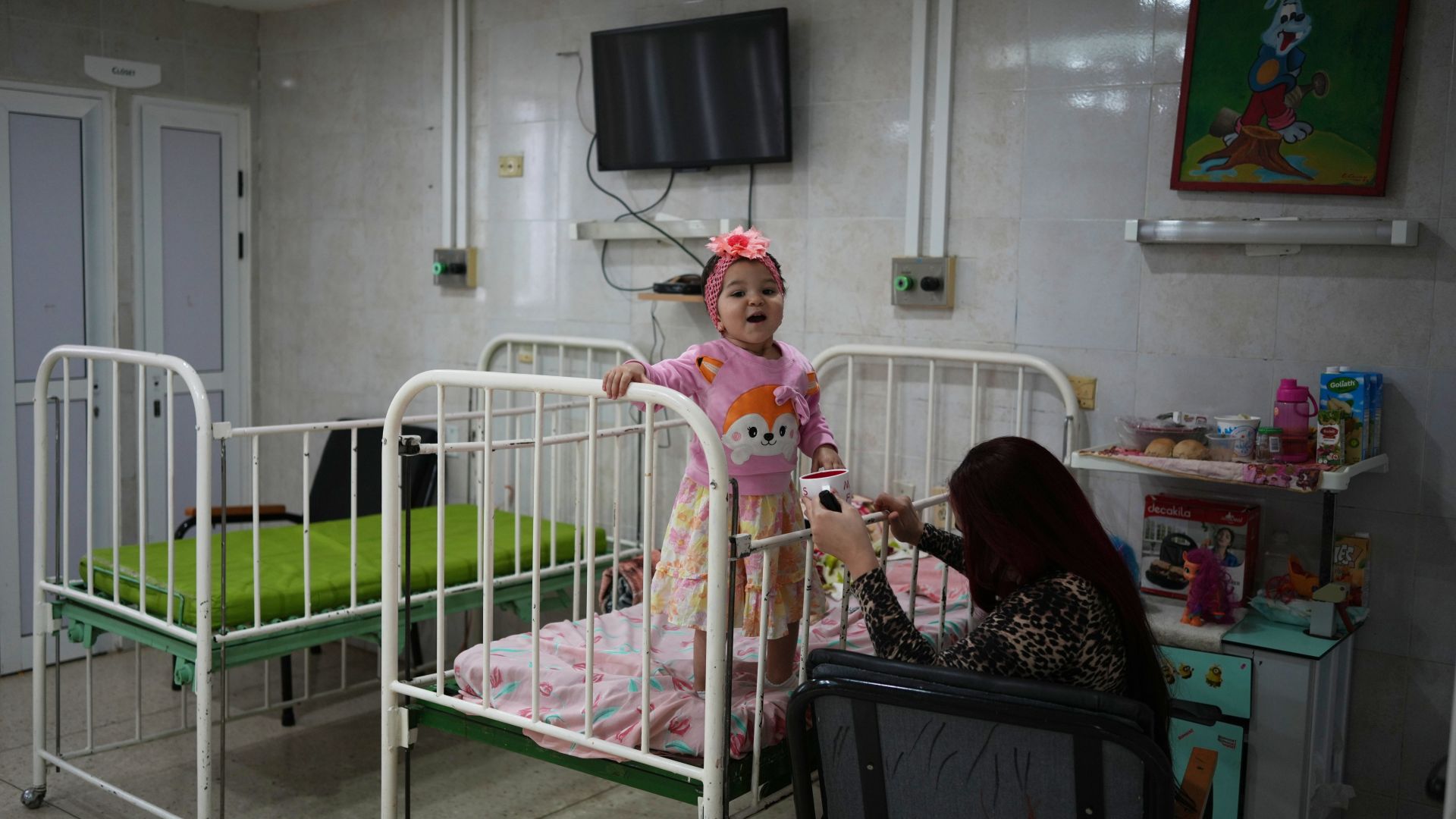
The William Soler Pediatric Hospital alone used to perform 10,000 surgeries annually, ranging from routine procedures to complex operations such as liver transplants
But surgical activity came to a near-standstill during the COVID-19 pandemic. “All re
The number of annual surgeries fell to barely 1,000. That downward trend has continued in recent months, according to the surgeon
Currently, the hospital performs only one or two elective surgeries per day – or three or four operations daily when emergency cases are included
“At this pace, we will have performed around 700 operations by the end of the year,” said Fernandez
The elective surgeries still being performed are those that “cannot be postponed”, like cancer cases, critical spinal deformities or other conditions that “can be fatal if delayed”
“We have been trying to handle as many cases as possible with the limited re
Erenia Carrillo, 57, is among the 100,000 Cubans waiting for surgery. She suffers from kidney failure
Every other day, a vehicle funded by Cuba’s public health system picks her up and takes her to the hospital. There, an artificial kidney filters her blood for four hours, removing the toxins and excess fluid that her body can no longer clear
Carrillo began her dialysis treatment more than a year ago, in March 2025. But she has noticed her quality of care decline
According to government data released last month, 2,888 Cubans undergoing dialysis for chronic kidney failure have seen their treatment disrupted by the worsening energy crisis
“The hospital used to supply all kinds of medications,” Carrillo said. “Now, with the tightening of the embargo, even the staff coming to care for us arrive late because they have no transport to get here.”
Sometimes the machines break down, and the clinic must ration the functioning ones
When a single artificial kidney has to be shared among multiple patients, Carrillo’s four-hour dialysis session is cut down to just two or three hours
Medication grows scarce
Hospital shortages mean that many dialysis patients are forced ton Mexico
Out of the 395 medicines produced domestically in Cuba, 300 were out of stock due to the inability to secure raw materials, according to a statement from MINSAP last month
Deliveries to Cuba’s state-run pharmacies, meanwhile, have grown more and more infrequent
For much of last year, shipments to the municipality of Cerro – one of 15 boroughs in the capital, Havana – came roughly once every 10 days
But a pharmacy clerk, who spoke to Al Jazeera in June on condition of anonymity, said that deliveries have become scarce
Since the oil blockade began, shipments come months at a time. The last time Cerro’s pharmacies were stocked was on June 16, the clerk said. Before that, the last shipment was on February 23
“This is the longest an order has ever taken to arrive,” the clerk said, estimating that the boxes only covered 30 percent of her community’s needs
With shipments so scarce, medication can run out on the first day after it arrives, she added
The clerk herself suffers from hypertension, or dangerously high blood pressure. She takes medication to treat the condition every morning and every night
But like her customers, she said she has no choice but to turn to the black market to meet her needs
Prices there are often higher than they otherwise should be. The average monthly wage is roughly $11 for those working for the state, the country’s largest employer
“I buy enalapril on the street, whatever the cost. What else can I do?” the clerk said. “When I can’t find it, I take something else. It’s not a proper treatment, and it puts my health at risk, but what choice do I have?”
Searching for alternatives
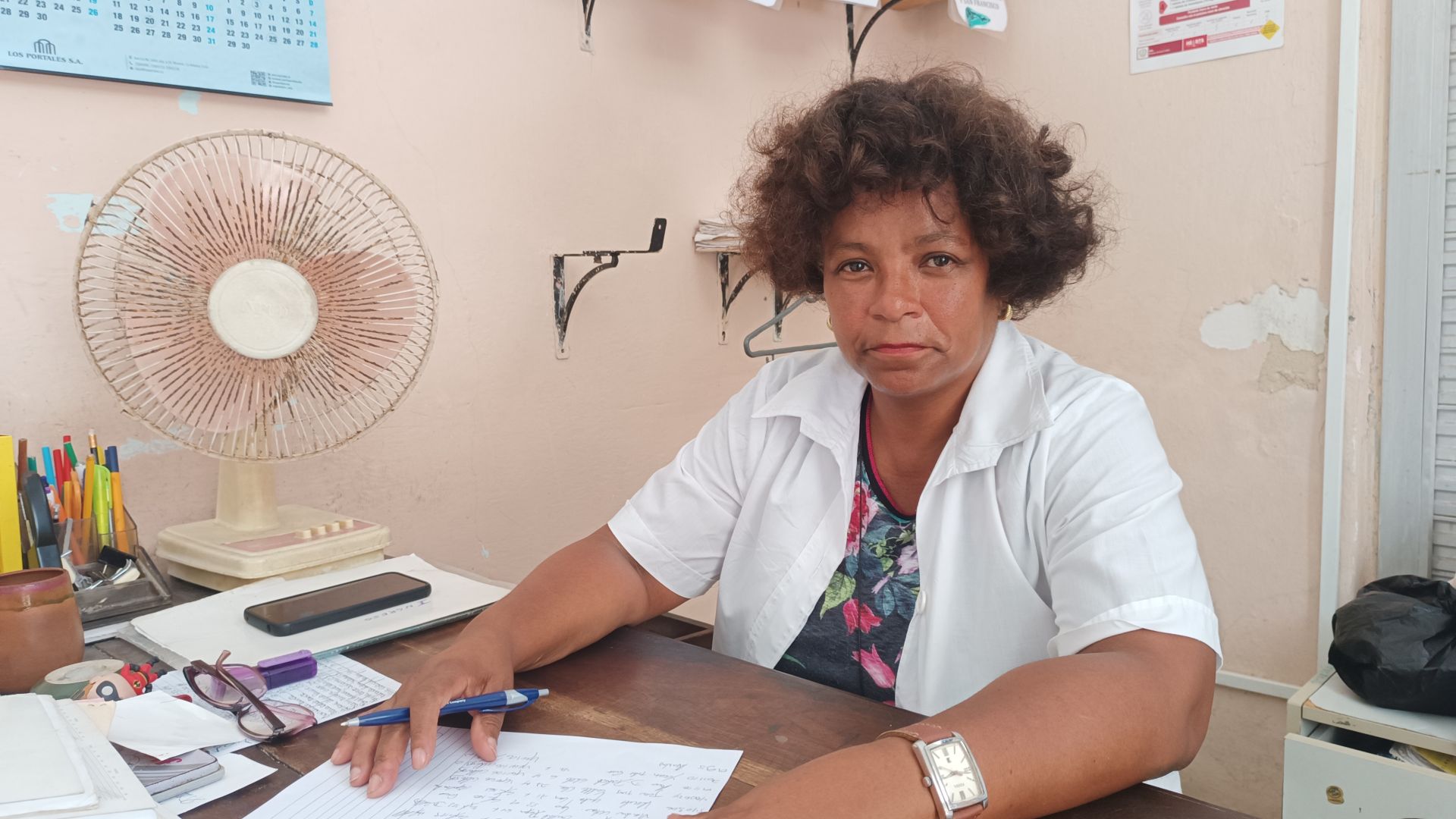
Roxana Martinez, a community doctor serving the Havana neighbourhood of Cayo Hueso, has had to face patients knowing she had no medication to give them
“There are practically no medicines in the pharmacy,” Martinez said. “We used to have options to substitute one medication for another, but not any more.”
Some patients arrive with dangerous conditions, she added, “and I don’t have a single pill to give them”
She has been forced to recommend herbal infusions and natural medicine instead. To manage hypertension, for instance, she suggests lemongrass brew or tamarind juice
“Natural medicine has been used forever, but it is becoming more important now because sometimes it is the only option available,” said Martinez
Only on Wednesday did Cuba loosen restrictions to allow the creation of private pharmacies, as part of a slate of economic reforms designed to lessen pressure on the island
But the strain of the oil blockade continues to make jobs like hers even more difficult
Cuba’s state-run healthcare system boasts 10,000 neighbourhood clinics, 149 hospitals and 451 polyclinics, which combine general and specialist care
But Martinez explained that, even with so many facilities, the country struggles to keep up with the needs of its 9.4 million inhabitants
The country’s medical guidelines dictate that primary care physicians like her should care for a maximum of 700 patients. Martinez used to see 1,875 at her clinic
This year, however, that figure skyrocketed to more than 3,000. She explained she was forced to absorb a second clinic into her practice due to a shortage of doctors
Wave after wave of humanitarian crises have prompted a mass exodus from Cuba in recent years. The oil blockade is only the latest to hit the island
Cuba’s population has shrunk by more 10 percent since 2020, according to conservative estimates
While doctors can earn thousands of dollars per month abroad, Martinez said her salary is only about $20 a month. Still, she remains devoted to her patients, no matter what the oil blockade may bring
“The workload is overwhelming, but I take it on because the patients need it,” Martinez said
