


Indiana expands access to GLP-1s for Medicaid recipients with obesity
WFYI Public Media |
By
Benjamin Thorp
Published July 30, 2026 at 4:17 PM EDT
Haberdoedas Photography
/
Pexels
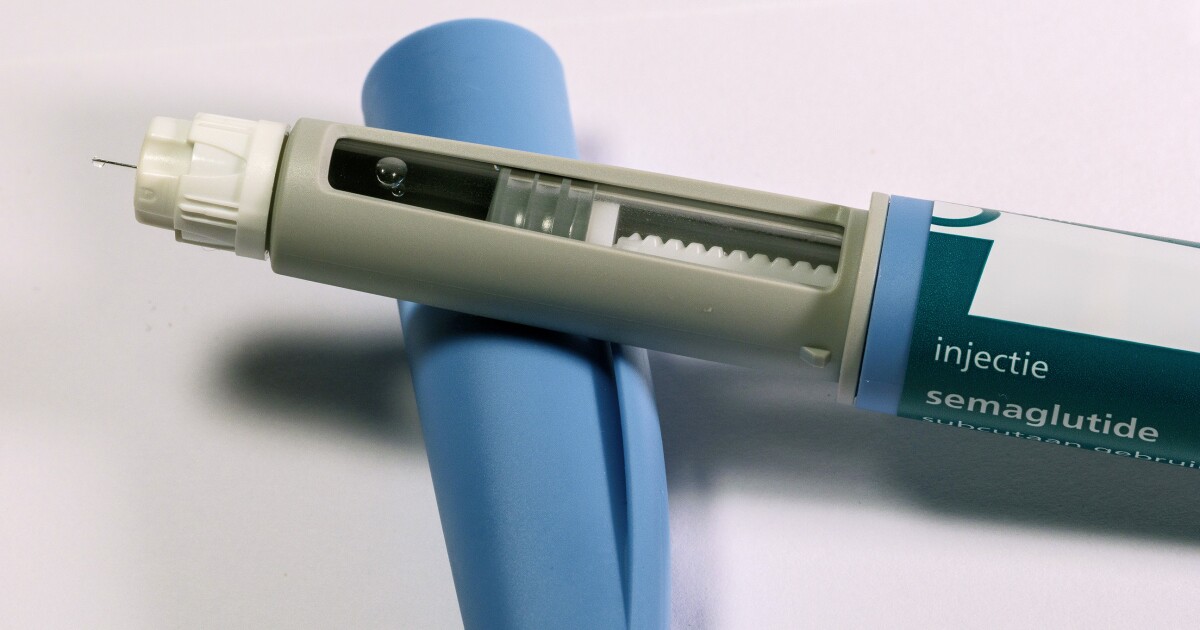
Indiana is expanding access to GLP-1s — the diabetes and weight loss medications — to members of the state’s Medicaid program
The expansion is part of a federal pilot to allow more Medicaid enrollees to access weight loss medication
Before the launch of this new federal program, states could opt in to covering weight loss drugs, with only about a dozen states doing so
States have traditionally covered GLP-1s for treating diabetes but not obesity
Elizabeth Williams is a senior policy manager on Medicaid and the uninsured for KFF, an independentd GLP1’s are costly medications
“If Medicaid doesn’t cover, you know, GLP ones for obesity. It’s likely that folks, these low-income folks, will not be able to access them any other way,” she said
That high cost has traditionally kept states from covering the drug for obesity
According to Williams, about 4 in 10 Medicaid members have obesity nationwide
“So there’s just a large potential for utilization as well as the drugs being costly,” she said
In his announcement about the program, Gov. Mike Braun said the state could sign on because of the predictable pricing structure provided by the federal government. It will cost the state roughly $85 per patient per month to cover GLP-1s
“Indiana is proud to expand access to essential treatment for eligible Hoosiers. This agreement reflects our commitment to Make Indiana Healthy Again by pursuing practical solutions that increase healthier lives,” Braun said in a statement
Drug manufacturers, including Indianapolis-based Eli Lilly, are offering their GLP-1s to the state for roughly $245. The federal government will cover a portion of the cost
Dave Ricks, CEO of Eli Lilly, praised the governor’s decision to participate in the program
“Here in Indiana, 71% of adults are living with obesity or overweight,” he said. “This toll on our state’s health is also a toll on our economy, costing an estimated $10.7 billion a year, or nearly 2% of state GDP.”
The federal program is set to end in 2031
Contact Government Reporter Benjamin Thorp atbthorp@wfyi.org
