


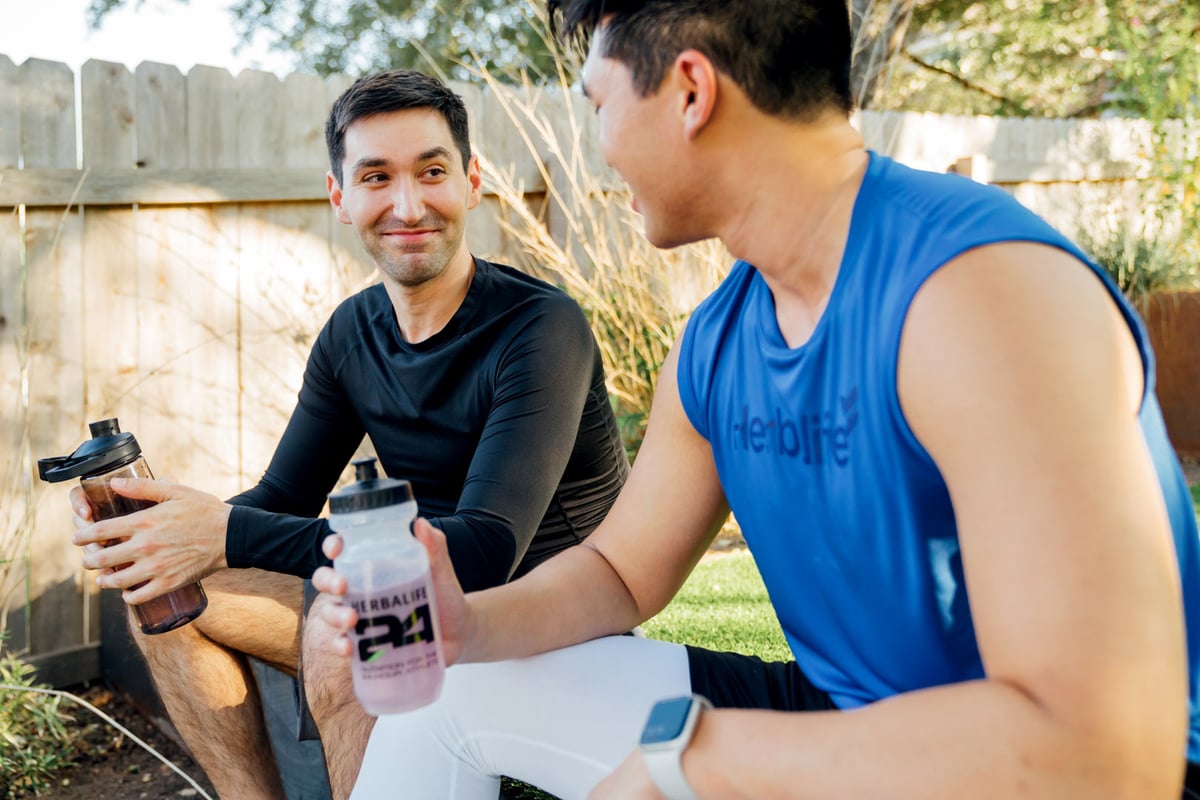
To simplify post-workout recovery for athletes at any level, Dr. Ladner swears by a straightforward mnemonic: The 4 Rs
1. Replenish: Refill your energy reserves
During high-intensity movement like sprinting, jumping, or changing direction, your body burns through muscle glycogen (stored carbohydrates). A reliable rule of thumb: if you were breathing too hard to hold a conversation mid-workout, you dipped heavily into your carb stores and need to refuel
The target: Consume 30 to 60 grams of carbohydrates within the first hour post-exercise
How to Get It: A bowl of rice paired with lean protein, a turkey sandwich on whole-grain bread, or a fruit-and-oat smoothie. (Recent data from the DOST-FNRI shows rice remains the primary energypost-workout staple)
2. Repair: Rebuild broken muscle tissue
Every hard <a href="https://healthylife7.com/steelers-bring-in-10-year-nfl-veteran-for-workout-at-training-camp/” title=”Steelers bring in 10-year NFL veteran for workout at training camp”>training session causes microscopic damage to muscle tissue. Protein provides the essential amino acids required to repair this tissue and build stronger muscles, particularly after resistance training
The target: 15 to 30 grams of high-quality protein from
Pro-tip: Professional players often use a 3:1 carbohydrate-to-protein ratio for their immediate post-match meal (roughly 60 to 120 grams of carbs paired with 20 to 40 grams of protein). Blending frozen fruit, oats, milk and a scoop of protein powder easily hits this golden ratio
3. Reinforce: Defend your cells and immune system
Often skipped by recreational athletes, reinforcing the body with antioxidant-rich, anti-inflammatory whole foods is crucial for long-term endurance, immune function and nervous system recovery
The powerhouses: Colorful fruits and vegetables, whole grains, nuts and healthy fats like olive oil and fish
Natural recovery aids: Evidence shows that tart cherry juice can significantly reduce muscle soreness and promote better sleep, while turmeric (curcumin) helps lower inflammation. While not magic shortcuts for muscle growth, they are proven tools for feeling refreshed between workouts
4. Rehydrate: Replace what you sweated out
True rehydration requires more than just drinking plain water. Heavy sweating depletes vital electrolytes — especially sodium, potassium and magnesium — which must be replaced to draw fluid back into your cells and maintain balance
The strategy: For light workouts, water is sufficient. For heavy sweat sessions, pair water with electrolytes in your post-workout meal or drink. Sodium is especially critical for fluid retention
The quick test: Check your urine color; a well-hydrated body produces fluid that resembles pale lemonade, not dark apple juice
While nutrition sets the stage, recovery is incomplete without rest. Sleep is the physiological window when growth hormones are released and muscle tissue truly rebuilds. Despite its importance, over half (56 percent) of Filipinos get less than the recommended seven hours of nightly sleep
Treating rest as an active, non-negotiable component of your training program is what ultimately reduces injury risk and elevates athletic performance in the long run
