


 Share on Pinterest
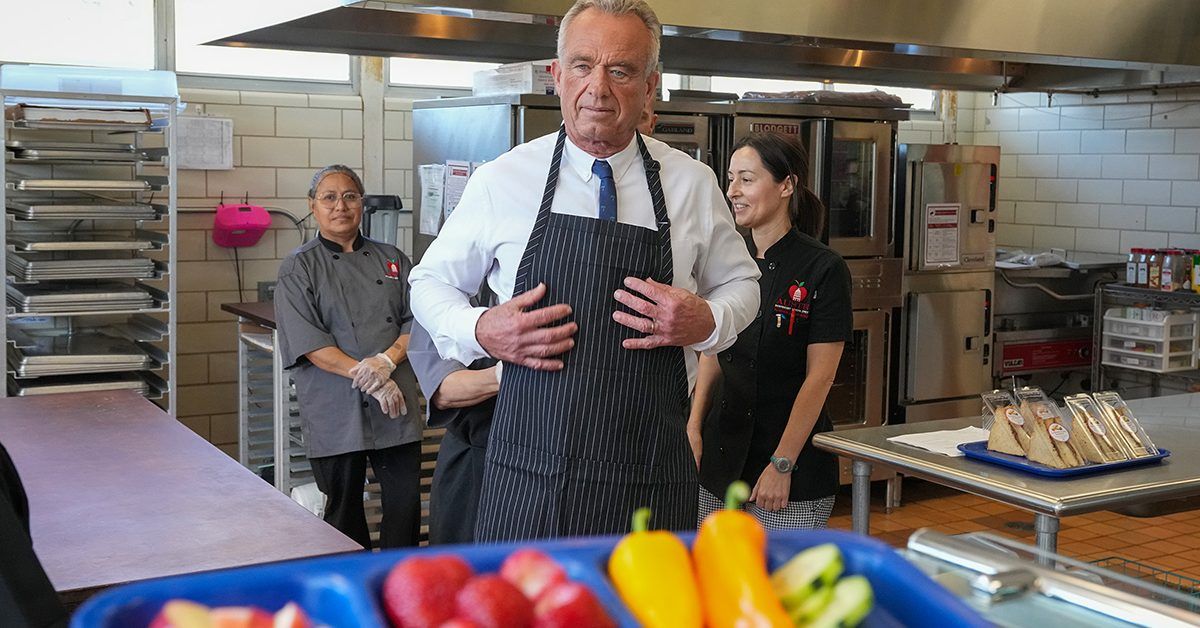
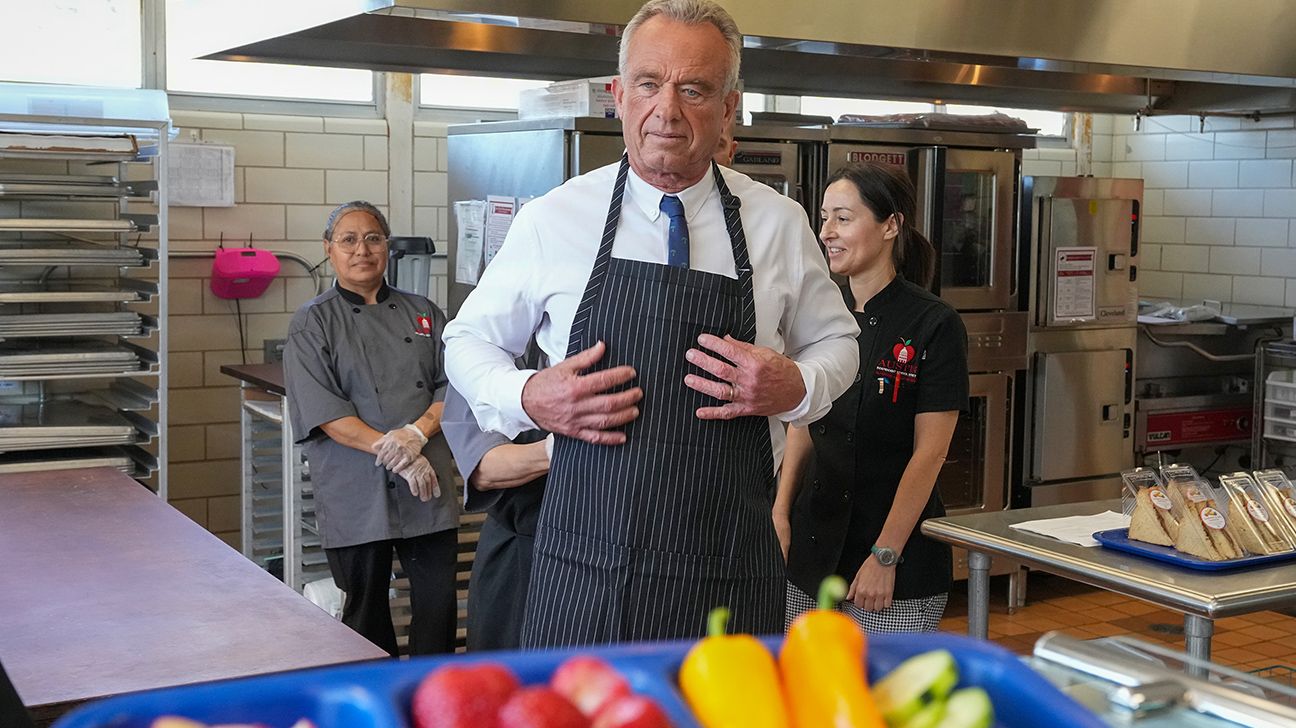
- Health SecretaryRobert F. Kennedy Jr. is hosting a new cooking show on YouTube called “The Real Food Show.”
- The aim of the MAHA spin-off is to teach viewers how to cook healthy, real foods on a budget.
- The star of the show is the “upside-down” food pyramid, which was introduced in the updated Dietary Guidelines for Americans.
- The new guidelines sowed confusion and concern around advice on the daily intake of fats and grains.
- Experts say the guidelines are sound, but it remains to be seen if RFK Jr. will inject his own opinions into the show.
A new cooking show hosted by Health Secretary Robert F. Kennedy Jr. aims to teach viewers how to cook simple, budget-friendly meals
Secretary Kennedy’s “The Real Food Show” series will stream on YouTube, according to the Department of Health and Human Services (HHS)
The show, a spinoff of the Make America Healthy Again (MAHA) agenda, features nutrition advice and appearances by special guests who will work alongside Kennedy to prepare their favorite dishes
Kennedy’s first segment featured Chef Andrew Gruel of Fox News “Gutfeld!” fame. The duo prepared “Crispy Salmon Cakes with Apple, White Bean & Greens Salad.”
At the heart of the program will be Kennedy’s “upside-down” food pyramid, which emphasizes protein, fruits, vegetables, and whole grains
“Thanks to President Trump, we’ve flipped the food pyramid and put real food back where it belongs, at the center of the American plate,” Kennedy said in the inaugural episode
However, many health and nutrition experts have questioned just how healthy his recommendations really are
What is the upside-down food pyramid?
The new food pyramid was introduced in January 2026 to replace the previous iteration
It’s been coined the “upside-down” food pyramid because it places protein, dairy, and healthy fats, as well as fruits and vegetables, at the wider end of an inverted pyramid
At the smaller end of the pyramid are whole grains
The Dietary Guidelines for Americans advise consuming protein at every meal to achieve an intake of 1.2–1.6 grams per kilogram of body weight each day
The guidelines further recommend consuming 3 servings of full-fat dairy each day, based on a 2,000-calorie diet
For this same individual, 3 servings of vegetables and 2 of fruit are suggested
When it comes to fats, the guidelines advise eating omega-3-rich foods like seafood, nuts, and avocado, and cooking with fats like olive oil, butter, and beef tallow
However, when it comes to saturated fat, the recommendation is to limit it to less than 10% of daily calories
Rounding out the plan is 2–4 daily servings of whole grains
Highly processed foods, added sugars, refined carbohydrates, and alcohol consumption are discouraged
Inverted food pyramid met with criticism
Johannah Katz, MA, a registered dietitian with Nourish, said the new food pyramid’s emphasis on animal protein, full-fat dairy, and fats has generated concern among experts
“A pyramid does not simply name healthy foods; its size and placement imply how prominently those foods should appear in the diet,” Katz told Healthline
“Putting protein, dairy, and fats across the widest section may lead some consumers to assume that fatty meats, butter, and full-fat dairy should be eaten more freely, even though these foods can contribute substantial saturated fat,” she said
Replacing saturated fat with unsaturated fat reduces the risk of cardiovascular events, Katz said, and butter is not nutritionally interchangeable with olive oil, nuts, seeds, or avocado
“Similarly, the evidence surrounding full-fat dairy is more nuanced than the evidence surrounding butter: milk, yogurt, and cheese have different food matrices and should not automatically be treated as having identical cardiovascular effects,” she said
Katz noted the placement of grains at the narrow end of the pyramid, which she said could be misinterpreted as meaning they are less nutritionally beneficial
“Higher intakes of dietary fiber and whole grains are associated with lower risks of cardiovascular disease, type 2 diabetes, colorectal cancer, and premature mortality,” she said
Finally, Katz pointed to the politicization surrounding the issue
“That makes it difficult to evaluate individual recommendations on their scientific merits without the discussion being interpreted as support for or opposition to a particular political movement,” she said
‘Real Food Show’ nutrition advice is a mixed bag
Joy Dubost, PhD, a registered dietitian and consultant at WOWMD, said that despite the controversy around the inverted food pyramid, much of the advice presented in the first episode of the show aligns with nutrition recommendations
“The emphasis on preparing meals at home, using whole ingredients, cooking on a budget, and increasing vegetables and protein can all support healthier dietary patterns,” she told Healthline
However, Dubost acknowledged that it’s too early to know whether the series will remain consistent with scientifically substantiated nutrition advice or become more reflective of Kennedy’s personal opinions
“For example, it will be important to see how the series addresses topics such as saturated fat, whole and enriched grains, and overall dietary balance,” she said
Dubost said there are decades of research behind the role of whole grains in a healthy diet as well as the important contributions to be made by enriched grains
Additionally, while healthy fats are important, nutrition experts generally advise replacing saturated fats with unsaturated ones to support heart health
“Ultimately, the value of the series will depend on whether it continues to provide practical, evidence-based nutrition guidance that is consistent with the broader body of nutrition science and helps consumers build balanced eating patterns,” said Katz
