


Over 200 deaths suspected of being linked to weight-loss drugs like Ozempic & Mounjaro in UK
HomeLive TV
Sections
WorldEntertainmentExplainersCricketSportsOpinionIndiaTechAutoLifestyleHealthBusinessVideosImpact ShortsWeb Stories
Shows
VantageFirstpost AmericaFirstpost AfricaFirst SportsSpotlightLive TV
Events
FIFA World CupUnion BudgetIndependence DayDelhi Elections 2025
Over 200 deaths suspected of being linked to weight-loss drugs like Ozempic & Mounjaro in UK
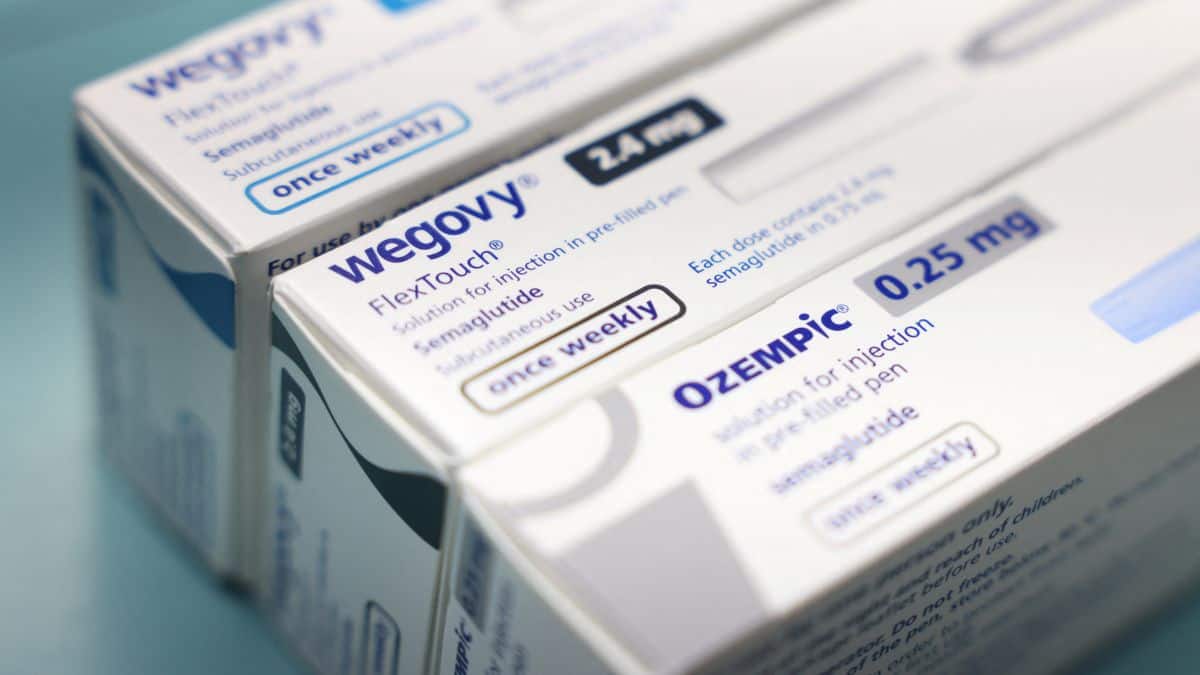
Over 200 deaths suspected of being linked to the weight-loss drugs Ozempic and Mounjaro have been reported to the health officials in the United Kingdom, the latest figures have revealed
Over 200 deaths suspected of being linked to the weight-loss drugs Ozempic and Mounjaro have been reported to the health officials in the United Kingdom, the latest figures have revealed. UK’s Medicines and Healthcare Products Regulatory Agency (MHRA) said that it has received reports of more than 158,000 adverse reactions linked to the medications
The incidents were reported under MHRA’s Yellow Card Scheme. The data from the scheme indicated 106,189 adverse reactions, including gastrointestinal problems, and 120 deaths have been reported regarding tirzepatide – sold under the brand name Mounjaro
As per the data, some 48,089 reactions and 59 deaths have been reported as suspected of being linked to semaglutide. It is pertinent to note that the active ingredient is for the weight-loss drug Wegovy. It is also actively used as an ingredient for diabetes treatments Ozempic and Rybelsus
Advertisement
Apart from this, a total of 4,491 adverse reactions and 37 deaths have been reported as being suspected to be linked to liraglutide, which is sold in the UK under the brand name Saxenda, which is also used to treat diabetes under different brand names
Based on suspicion
The regulator said that adverse reactions and deaths reported to its Yellow Card Scheme do not necessarily mean that they were caused by the medicine, only that the reporter had a suspicion it may have been
In light of this, an MHRA spokesperson said: “It is important to place these reports in the context of the millions of GLP-1 prescriptions issued in the UK.” “Reporting volumes can be influenced by increased use, greater awareness of a potential adverse reaction and other factors. As with all medicines, the safety of GLP-1s is kept under continual review, including emerging evidence from spontaneous data and scientific publications.”
“Any potential updates regarding the safety of these medicines would be promptly communicated to patients and healthcare professionals, and appropriate steps taken to mitigate any identified risk. Based on the current evidence, the benefits of GLP-1 receptor agonists outweigh the potential risks when used in line with their authorised uses,” he added
Advertisement
While speaking to the BBC, Health Secretary Yvette Cooper said: “We have a whole system of health safety regulations in place where experts will do monitoring of any adverse impacts, of any safety reports, any concerns that are raised.”
“And the good thing about the fact that we have a National Health Service means that all of those reports can be collected together – all of them can be monitored. And we ensure that those experts, the expert regulators, are monitoring that at all times and making sure if there are any wider concerns, if there are any issues that need to be raised, then they are brought to the health secretary, to health ministers, as well as to the public, to make sure that safety is always paramount,” she added.
HealthUnited Kingdom
First Published:Aug 07, 2026, 11:21:57 IST
Advertisement
Advertisement
Trending Stories

World Beer Day 2026: Does beer really cause a beer belly? 8 myths doctors want you to stop believing
World Beer Day 2026: From the truth behind the ‘beer belly’ to whether beer is healthier than hard liquor, doctors bust eight common myths and explain how beer affects your liver, gut, blood sugar, workouts and overall health.
3 min read
Candida auris outbreak in 27 US states: How dangerous is this drug-resistant fungus?
The US has recorded over 3,400 cases of Candida auris across 27 states. Described as a type of yeast, it can cause a wide range of infections — from skin to more severe ones in the bloodstream. Doctors note that its resistance to most antifungal medications is particularly concerning
4 min read
Hidden fat, hidden danger: Why liver fat—not BMI—may be the earliest warning sign of diabetes in Asian Indians
A new study shows liver and pancreatic fat accumulate well before diabetes develops in Asian Indians, making organ fat a far more reliable indicator of risk than body weight.
5 min read
Why experts recommend a 10-minute walk right after dinner
A simple 10-minute walk after dinner could help control blood sugar, improve digestion and support long-term metabolic health, according to experts
2 min read
FSSAI proposes nutrition information instead of warning labels on packaged foods
FSSAI has proposed front-of-pack nutrition disclosures showing added sugar, saturated fat and salt on packaged foods, but stopped short of introducing mandatory warning labels, prompting criticism from public health advocates as the Supreme Court continues hearing the issue.
4 min read
Advertisement
Advertisement
Up Next
