

Close Menu
healthylife7.comhealthylife7.com

    Subscribe to Updates

    Get the latest creative news from FooBar about art, design and business.

    What's Hot

    Real Madrid 2027 125th Anniversary Lifestyle Shirt Leaked

    August 7, 2026

    Ashwagandha: Benefits, side effects, and safety concerns

    August 7, 2026

    Beyond the scale: Understanding the role of peptides in weight management

    August 7, 2026
    Facebook X (Twitter) Instagram
    Trending
    • Real Madrid 2027 125th Anniversary Lifestyle Shirt Leaked
    • Ashwagandha: Benefits, side effects, and safety concerns
    • Beyond the scale: Understanding the role of peptides in weight management
    • Crawford Spotted In Gym Amid Canelo Rematch Talk
    • Nigeria’s nutrition workforce gets career boost as academy tackles skills gap
    • One year after shooting, CDC workers say they still feel like targets
    • Self-Care as a Lifestyle, Here’s the Latest Beauty Trend Development
    • News: Base Editing Protects Brains From Mutant Huntingtin
    Facebook X (Twitter) Instagram
    healthylife7.comhealthylife7.com
    • Home
    • Fitness
    • Health
    • Nutrition
    • Lifestyle
    • Conditions
    • Mental Health
    • Weight Loss
    • Wellness Tips
    Friday, August 7
    healthylife7.comhealthylife7.com
    Home»Nutrition»Widely used plastic may increase fatty liver disease risk
    Nutrition

    Widely used plastic may increase fatty liver disease risk

    healthylife7By healthylife7August 7, 2026No Comments4 Mins Read
    Facebook Twitter Pinterest LinkedIn Tumblr Reddit WhatsApp Email
    Widely used plastic may increase fatty liver disease risk
    Share
    Facebook Twitter LinkedIn Pinterest WhatsApp Email

    A common microplastic may increase the risk of fatty liver disease, a study finds

    Microplastics have become nearly impossible to avoid. They have been detected in oceans, drinking water, and even the human body, but scientists are still uncovering how they affect human health

    Now, researchers at the Texas A&M College of Veterinary Medicine and Biomedical Sciences (VMBS) have uncovered evidence that one of the world’s most common plastics may do more than pollute the environment

    Their findings suggest that polyethylene may contribute to fatty liver disease and worsen the condition when combined with an unhealthy diet

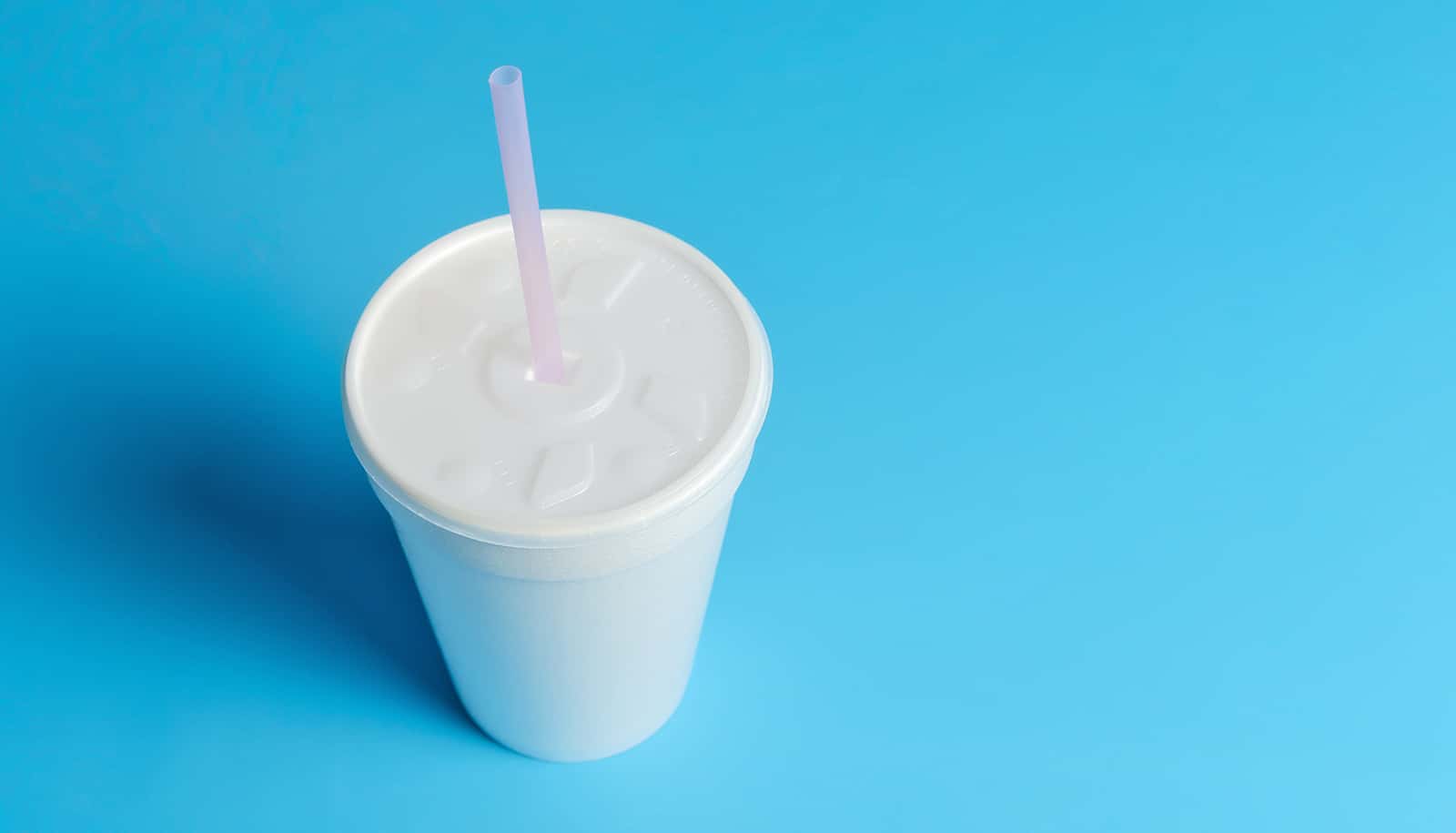
    While scientists have previously studied other types of microplastics, polyethylene has received comparatively little attention despite accounting for roughly one-third of global plastic production. Because it is commonly used in food packaging, plastic wraps, food storage containers, and beverage cup linings, researchers wanted to determine whether this widely used plastic could contribute to liver disease and, if so, how it produced those effects

    “No studies have really looked into polyethylene’s effect on liver health, and it’s the most widely produced plastic,” says Adi Joshi, associate professor in VMBS’ veterinary physiology and pharmacology department

    “What we now know is that these microplastics, especially polyethylene, affect our liver’s natural defense and repair mechanisms.”

    While previous studies have largely focused on other types of microplastics, researchers knew relatively little about how polyethylene affects liver health. Joshi’s team set out to fill that knowledge gap by investigating whether exposure to the plastic could contribute to fatty liver disease, a condition where excess fat builds up in liver cells that affects about 25% of people globally, according to the American Liver Foundation

    The researchers found that polyethylene increased signs of fatty liver disease on its own and further exacerbated the condition when paired with a diet high in fat, fructose, and cholesterol. The findings suggest that environmental exposures and dietary habits may work together to accelerate liver damage

    “Those who have a more Western-style diet, including foods like burgers and sodas, may have a greater chance of progressing to fatty liver disease if they are also exposed to polyethylene,” Joshi says

    The findings were particularly surprising because polyethylene has long been considered one of the more biologically inert microplastics. Rather than appearing harmless, the material showed the potential to influence liver health both on its own and in combination with dietary factors, prompting researchers to investigate how it was producing those effects

    To better understand how polyethylene affects the liver, the team collaborated with researchers at the University of Oklahoma to use spatial transcriptomics, an emerging technology that allows scientists to examine gene expression within an intact tissue while retaining the precise physical location of each cell

    Using this high-resolution approach, the researchers identified specific areas of liver damage and discovered that polyethylene activates PPAR-alpha—a protein already known to regulate fat production in the liver—as a key factor in liver’s response to microplastic exposure. They also identified ANXA2, a gene involved in tissue repair, as another potential player in the disease process

    According to Joshi, identifying this pathway not only helps explain how polyethylene influences liver health but could also point researchers toward new therapeutic strategies

    Although this study provides important insight into how polyethylene affects liver health, it also opens several new avenues for research

    The research team next plans to investigate whether polyethylene contributes to later stages of liver disease, including fibrosis, while continuing to explore additional molecular pathways involved in the body’s response to microplastic exposure. They also hope to determine whether manipulating the PPAR-alpha pathway can reduce polyethylene’s harmful effects on the liver

    “This is the pioneering study showing that polyethylene can contribute to fatty liver disease and the use of spatial transcriptomics has determined exactly where the damage has happened within the liver,” Joshi says

    “The other microplastics might also be harmful to the liver, and we definitely need to look into other classes of microplastics.”

    As scientists continue to uncover the long-term health effects of microplastics, Joshi hopes the findings encourage both researchers and the public to think more carefully about how everyday environmental exposures may influence chronic disease

    The research appears in Science Advances

    fatty Increase plastic Used Widely
    healthylife7
    • Website

    Related Posts

    Nigeria’s nutrition workforce gets career boost as academy tackles skills gap

    August 7, 2026

    Is It Healthy to Eat a Banana Every Day? Here’s What Dietitians Think

    August 7, 2026

    MASLD: Exploring the systemic impact of fatty liver disease

    August 7, 2026
    Leave A Reply Cancel Reply

    Health
    Lifestyle

    Real Madrid 2027 125th Anniversary Lifestyle Shirt Leaked

    By healthylife7August 7, 20260

    Footy Headlines can exclusively leak early images of the special AdidasReal Madrid 125th-anniversary lifestyle shirt. This retro-inspired piece will be released alongside the club’s official 125th-anniversary match kit in March 2027

    Ashwagandha: Benefits, side effects, and safety concerns

    August 7, 2026

    Beyond the scale: Understanding the role of peptides in weight management

    August 7, 2026

    Crawford Spotted In Gym Amid Canelo Rematch Talk

    August 7, 2026
    Stay In Touch
    • Facebook
    • Twitter
    • Pinterest
    • Instagram
    • YouTube
    • Vimeo
    Fitness

    Opinion: The FDA must put biotech at its center or continue to cede early research to China

    July 6, 2026

    Inside Elevance’s digital chronic disease management strategy

    July 6, 2026

    Best, Worst States For Well

    July 6, 2026

    What do the Middle Ages tell us about mental health then and now? VCU historian Leigh Ann Craig has answers

    July 6, 2026

    Subscribe to Updates

    Get the latest creative news from SmartMag about art & design.

    About Us

    Welcome to HealthyLife7.com, your trusted source for reliable health, wellness, fitness, and lifestyle information. Our mission is to help people make informed decisions about their health by providing clear, practical, and easy-to-understand content.

    At HealthyLife7.com, we believe that good health starts with the right knowledge. Whether you're looking for healthy eating tips, fitness advice, mental wellness strategies, weight management guidance, or information about common health conditions, our goal is to deliver valuable content that supports a healthier lifestyle.

    Fitness

    Real Madrid 2027 125th Anniversary Lifestyle Shirt Leaked

    August 7, 2026

    Ashwagandha: Benefits, side effects, and safety concerns

    August 7, 2026

    Beyond the scale: Understanding the role of peptides in weight management

    August 7, 2026
    Health

    Opinion: The FDA must put biotech at its center or continue to cede early research to China

    July 6, 2026

    Inside Elevance’s digital chronic disease management strategy

    July 6, 2026

    Best, Worst States For Well

    July 6, 2026
    Facebook X (Twitter) Instagram Pinterest
    • About Us
    • Contact us
    • Disclaimer
    • Privacy Policy
    • Terms and Conditions
    © 2026 healthylife7.com. Designed by Pro.

    Type above and press Enter to search. Press Esc to cancel.