



Research and Innovation
University of Miami Researchers Study Genetic Change Linked to Alzheimer’s Risk in Men
By: Andrea Leiseca | August 06, 2026 | 7 min. read |
A Florida Department of Health award will support Miller School researchers studying whether loss of the Y chromosome could help identify men at increased risk for Alzheimer’s disease before symptoms appear
A naturally occurring genetic change in aging men may help researchers better understand who is at greater risk for Alzheimer’s disease
With support from a new award from the Florida Department of Health’s Ed and Ethel Moore Alzheimer’s Disease Research Program, scientists at the University of Miami Miller School of Medicine are investigating whether loss of the Y chromosome, or LOY, may help explain why some men face a greater risk of developing Alzheimer’s disease
Loss of the Y chromosome occurs when some cells in aging men lose the Y chromosome over time. The change becomes increasingly common with age and has been linked in previous research to increased Alzheimer’s disease risk and earlier cognitive decline. Scientists do not yet know whether LOY contributes directly to the disease or reflects other biological changes associated with aging
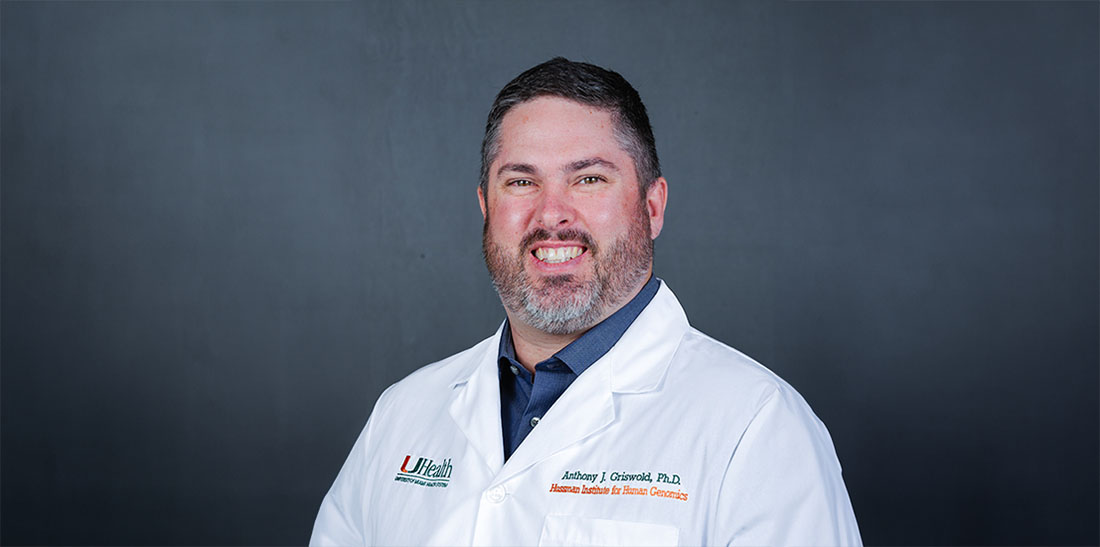
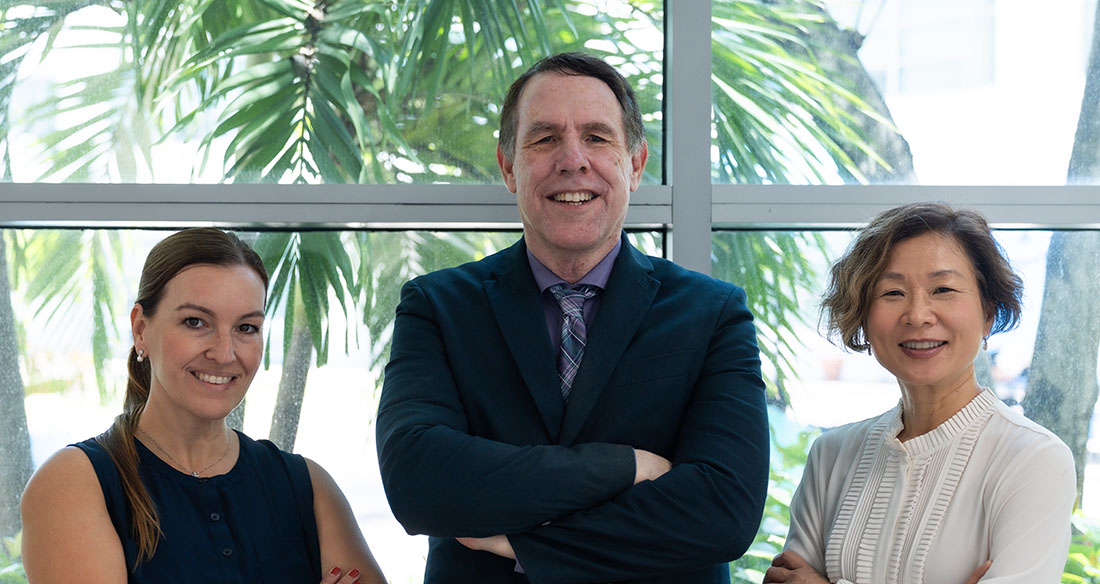
The study is led by Anthony Griswold, Ph.D., associate professor in the Miller School’s Dr. John T. Macdonald Foundation Department of Human Genetics, and Holly Cukier, Ph.D., research associate professor in the Dr. John T. Macdonald Foundation Department of Human Genetics
Investigating a Common Genetic Change in Aging Men
“Loss of the Y chromosome is one of the most common genetic changes associated with aging in men. While this has been linked to Alzheimer’s disease, we don’t fully understand its role,” said Dr. Griswold. “This project gives us the opportunity to investigate whether LOY plays a direct role in Alzheimer’s disease or is a biological marker for a fundamental process that occurs leading to disease. Ultimately, we hope that understanding these processes will lead to better ways to identify individuals at risk and open new avenues for prevention and treatment.”
Alzheimer’s disease is the leading cause of dementia, gradually affecting memory, thinking and independence. Florida, home to one of the nation’s largest and fastest-growing older adult populations, faces a disproportionate share of the disease’s growing impact, making research aimed at improving early detection and prevention especially important
Using Genomics and Stem Cell Models to Study Alzheimer’s Risk
To investigate the relationship between LOY and Alzheimer’s disease, the researchers will combine large-scale genomic analyses with advanced laboratory studies. They will analyze genetic data from more than 26,000 men participating in the Alzheimer’s Disease Sequencing Project, one of the world’s largest Alzheimer’s genetics resources, to determine whether LOY is associated with earlier symptom onset, faster cognitive decline and changes in other biological markers linked to Alzheimer’s disease.
At the same time, the team will use induced pluripotent stem cell, or iPSC, models to study how loss of the Y chromosome affects neurons and other brain cells that help protect the brain and regulate inflammation. Comparing cells with and without the Y chromosome may reveal biological changes that help explain why LOY has been associated with increased Alzheimer’s disease risk
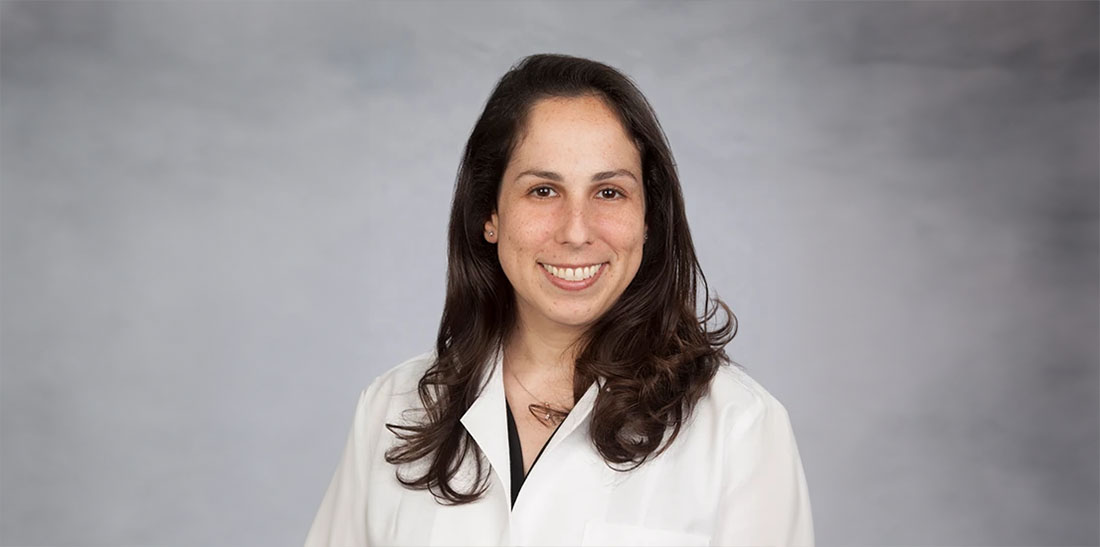
“Our goal is to understand the connection between this genetic change and an increased risk of developing Alzheimer’s disease,” said Dr. Cukier. “Stem cell models allow us the opportunity to mimic early brain cell growth and development, and potentially reveal an initial event that may be connected to Alzheimer’s disease, as well as downstream molecular and cellular consequences.”
Searching for Earlier Clues to Alzheimer’s Disease
One of the study’s primary goals is to determine whether LOY could serve as a presymptomatic biomarker, a quantifiable indicator that helps identify individuals at increased risk for developing Alzheimer’s disease before the disorder manifests. If future studies confirm its clinical value, LOY could eventually become part of strategies to recognize people who may benefit from closer monitoring, earlier interventions or participation in clinical trials
The researchers also hope to determine whether LOY identifies a distinct subtype of Alzheimer’s disease associated with genomic instability. Such findings could deepen scientists’ understanding of why Alzheimer’s disease develops differently among individuals and point to new directions for future research
Advancing Alzheimer’s Research for Florida’s Aging Population
Beyond its scientific significance, the project has important implications for Florida’s public health. Alzheimer’s disease places an enormous emotional, physical and financial burden on patients, families, caregivers and health care systems throughout the state. By improving understanding of the biological changes associated with aging and Alzheimer’s disease, this research could help lay the foundation for better risk assessment, earlier detection and more personalized approaches to care.
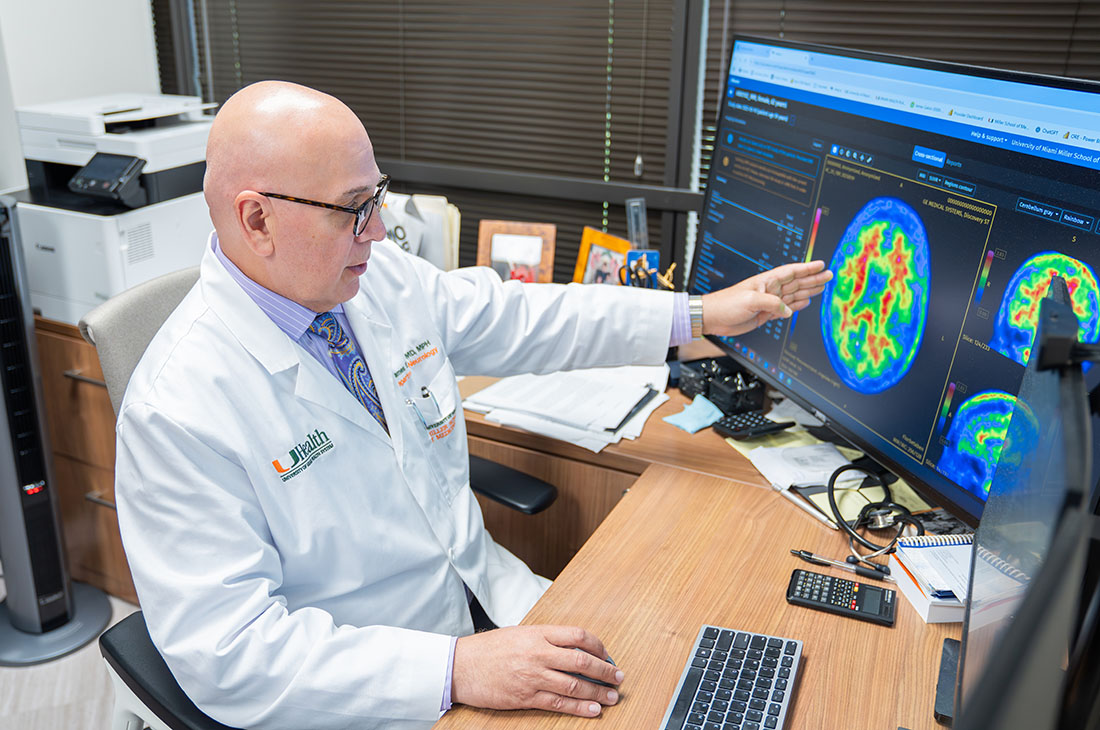
University of Miami Researchers Showcase Advances in Dementia Detection, Treatment and Brain Health at AAIC 2026
Researchers from the University of Miami Comprehensive Center for Brain Health shared 16 studies at AAIC 2026, highlighting advances in dementia treatment, blood-based biomarkers and early cognitive screening
Read more

Could the Gut Hold Early Clues to Alzheimer’s Disease?
Miller School researchers found early Alzheimer’s-related damage in lab-grown intestinal tissue, revealing new clues about the gut-brain connection
Read more
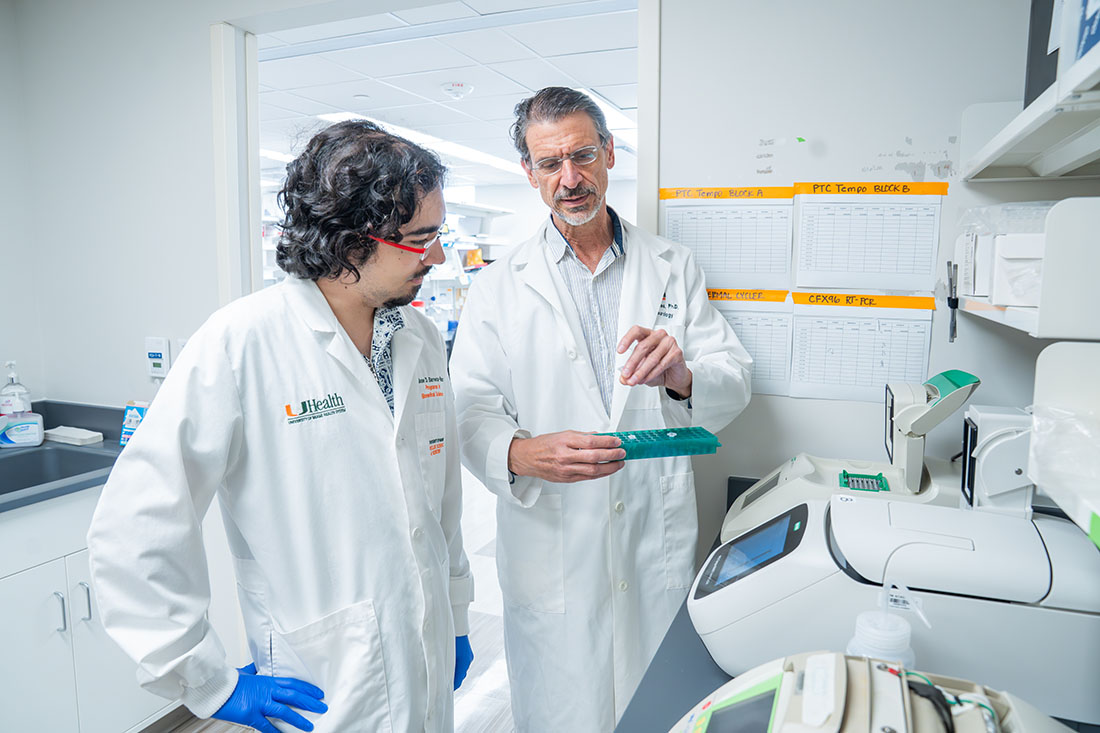
Why Some Brain Cells May Be More Vulnerable to Parkinson’s Disease
Study shows mitochondrial DNA damage can continue accumulating in vulnerable neurons, offering new insight into Parkinson’s disease
Read more
Blood Biomarkers and Cognitive Testing Improve Prediction of Early Alzheimer’s Decline
Combining blood biomarkers with cognitive testing improves prediction of functional decline in people at risk for Alzheimer’s disease
Read more
