


Add Us On GoogleAdd as a preferred source on Google
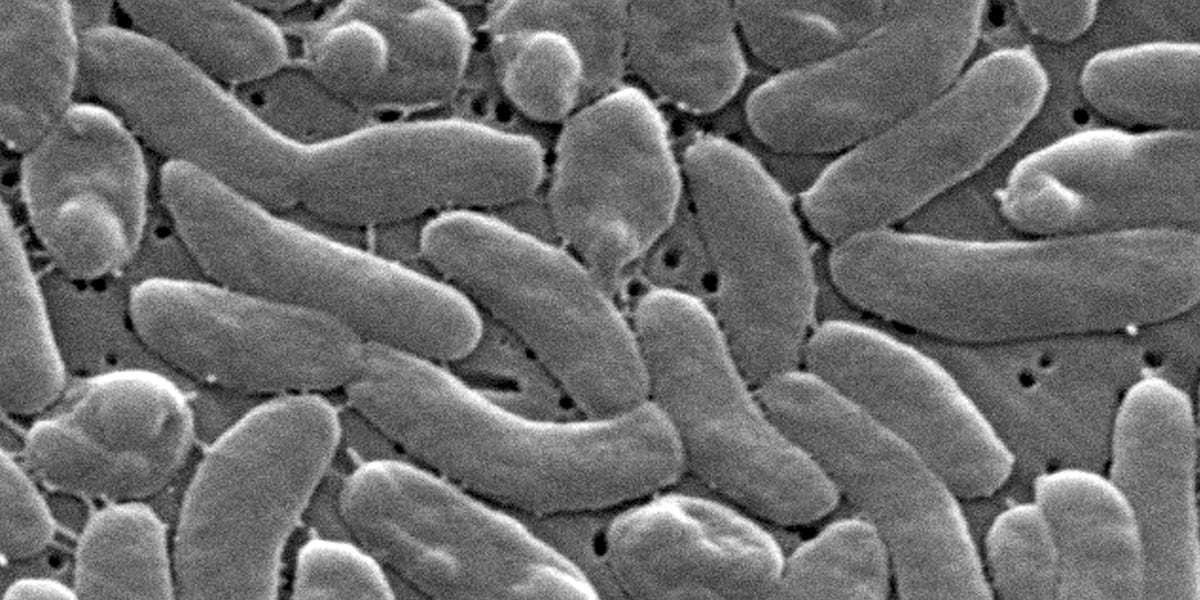
BATON ROUGE (WVUE/Gray News) — Five people in Louisiana have died so far in 2026 from the flesh-eating bacteria Vibrio vulnificus, according to the Louisiana Department of Health (LDH)
In addition to the five deaths this year, four others were hospitalized. During the same period over the past 10 years, Louisiana averaged seven total cases and one death, LDH said
With the higher number of cases this year, LDH is urging residents to take precautions when entering bodies of water or eating raw seafood
Health officials said every case reported this year involved an open wound exposed to seawater, and all the patients had underlying health conditions
Vibrio bacteria occur naturally in warm coastal waters and are more common from May through October when water temperatures rise
Infection can happen when an open wound comes into contact with brackish or salt water. People can also become sick after eating raw or undercooked seafood, especially oysters
The bacteria can cause gastrointestinal illness, wound infections or bloodstream infections. Vibrio vulnificus can cause severe, life-threatening illnesses that may require intensive care or amputation
LDH said about one in five people with a Vibrio vulnificus infection dies, sometimes within a day or two of becoming ill
People at higher risk of severe complications include those with liver disease, cancer, diabetes, HIV or thalassemia; people receiving immune-suppressing treatment; people taking medication that reduces stomach acid; and people who have recently had stomach surgery
- Stay out of brackish or salt water if they have an open wound, including cuts, scrapes, recent surgical wounds or piercings.
- Cover wounds with a waterproof bandage if they may come into contact with coastal water, raw seafood or raw seafood juices.
- Wash wounds thoroughly with soap and water after possible exposure.
- Cook seafood thoroughly, particularly for people who are pregnant, immunocompromised or have liver or stomach conditions.
- Wash hands with soap and water after handling raw shellfish.
- Keep cooked seafood separate from raw seafood and its juices.
People in high-risk groups should wear protective clothing and footwear in coastal water to avoid cuts and scrapes, LDH said. The agency also recommends gloves when handling raw seafood
Copyright 2026 WVUE
