


Advertisement
Food and agriculture
OpinionLetters
LettersChild nutrition in Asia is a worthy investment
Readers discuss the region’s nutrition problem, the US’ yen intervention, and the future of Bhutan’s traditional arts
3-MIN READ3-MIN
Listen
Letters
Published: 11:30am, 8 Aug 2026
Feel strongly about these letters, or any other aspects of the news? Share your views by emailing us your Letter to the Editor at[email protected]or filling inthis Google form. Submissions should not exceed 400 words
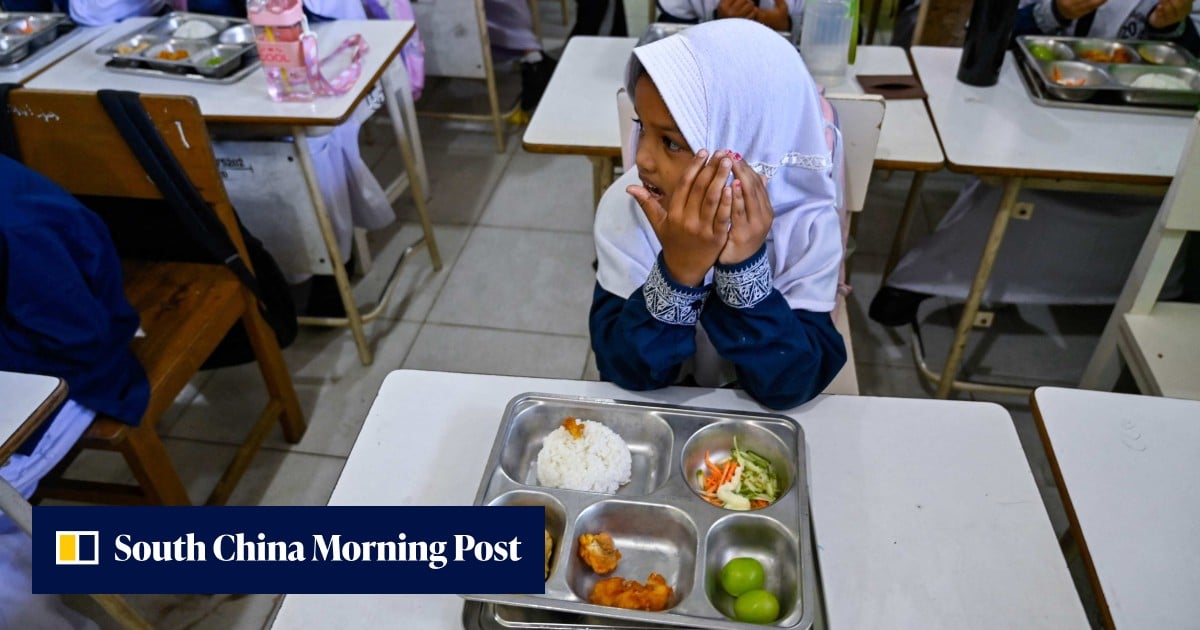
As fuel and fertiliser costs push food prices higher across the region, families may be trading proteins, fresh produce and other nutrient-rich foods for cheaper staples. They may still consume enough calories, but diets are becoming less nutritious, with consequences that will emerge years later through lower productivity and rising healthcare costs.
The challenge is not a lack of evidence orions and corporate philanthropy have the capital. What is needed now is the coordination to deploy it effectively, and the recognition that investing in nutrition is not charity, but a long-term investment in economic growth
The urgency is clear. About one in four children under five in Asia are stunted, while millions suffer from “hidden hunger”, receiving enough calories but too few essential nutrients for healthy cognitive and physical development. Much of this damage sets in early during development, where maternal anaemia, low birthweight and poor early feeding leave effects that are difficult to reverse later
Yet nutrition remains chronically underfunded for three reasons. Responsibility is fragmented across health, education and agriculture, leaving no single institution to coordinate investment at scale. Nutritional gains take decades to materialise, creating a mismatch between funding cycles and measurable outcomes. Together, these factors make nutrition appear riskier than it is as a philanthropic investment
Philanthropic capital can act as the connective layer by working across sectors, absorbing early-stage risk and helping aggregate and unlock larger pools of blended funding. The Zuellig Family Foundation’s Pook Malusog programme in the Philippines works directly with local governments to strengthen nutrition governance and delivery. Community-based nutrition programmes in Indonesia are also demonstrating how early intervention can be embedded within local systems
Advertisement
Select Voice
Select Speed
0.8x
0.9x
1.0x
1.1x
1.2x
1.5x
1.75x
00:00
00:00
1.00x
